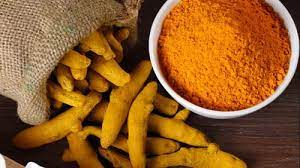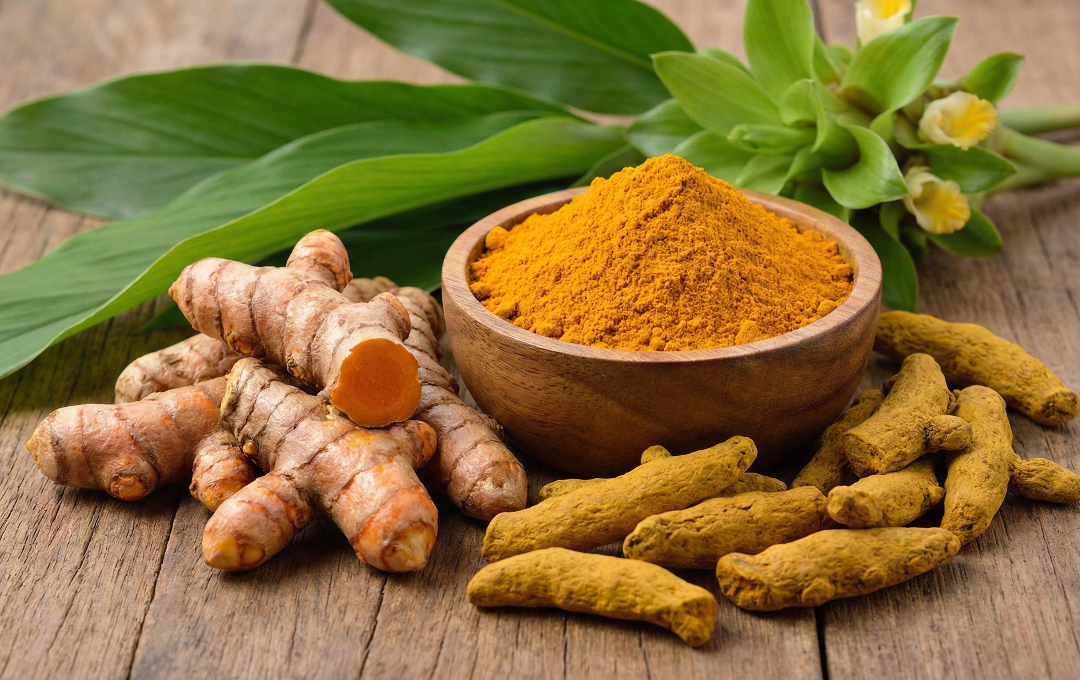
Turmeric has transformed from a traditional household spice into a global agricultural commodity with expanding demand across multiple industries. Once primarily associated with South Asian cuisine, turmeric is now widely used in health supplements, cosmetics, functional foods, and natural wellness products. As this demand grows, one country continues to stand out as the preferred sourcing destination: India.
The rise in global demand for Indian turmeric is not accidental. It is driven by a combination of agricultural strength, product quality, industry experience, and evolving consumer trends. For importers, distributors, and manufacturers worldwide, understanding why Indian turmeric is so sought after can help inform better sourcing decisions.
A Long-Standing Agricultural Heritage
India’s connection to turmeric goes back thousands of years. The crop has deep roots in Indian agriculture and traditional medicine systems. This long cultivation history has allowed farmers to refine growing practices, seed selection, and post-harvest handling over generations.
Unlike newer turmeric-producing regions, India benefits from established farming knowledge and infrastructure. Many turmeric-growing areas have climates and soil conditions ideally suited for the crop, resulting in consistent yields and reliable harvest cycles. This agricultural foundation plays a major role in supporting export markets.
Strong Production Capacity
One of the main reasons for India’s dominance in turmeric trade is sheer production scale. India consistently ranks among the largest turmeric producers in the world. States such as Telangana, Andhra Pradesh, Tamil Nadu, Maharashtra, and Odisha contribute significantly to national output.
For global buyers, large production volumes reduce supply risk. When sourcing from smaller producing countries, buyers may face fluctuations due to weather or limited cultivation areas. India’s diversified growing regions help stabilize supply, making it easier for exporters to meet bulk requirements.
Variety and Customization Options
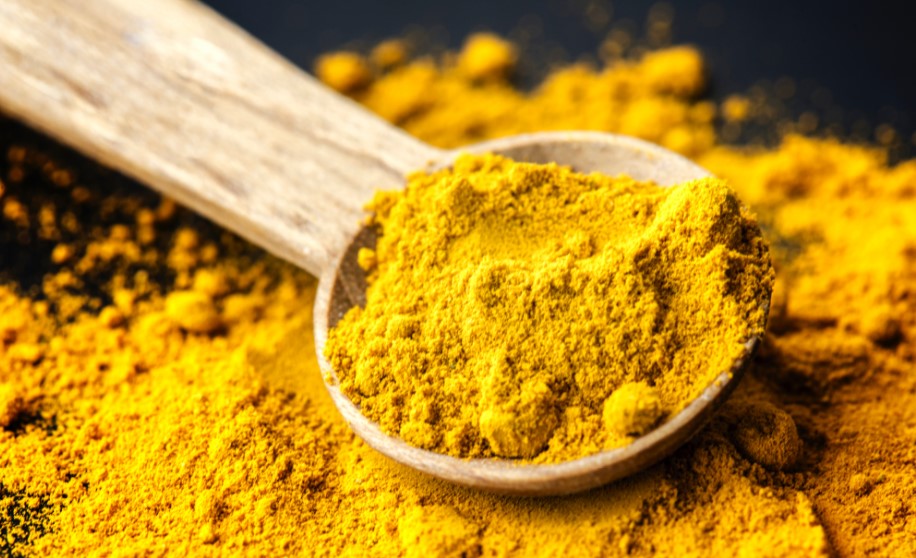
Indian turmeric is not a one-size-fits-all product. There are multiple varieties, each suited for different applications. Some are valued for high curcumin content, which is important for supplements and extracts. Others are preferred for bright color, aroma, or flavor, making them ideal for culinary and food processing uses.
This variety gives buyers flexibility. Instead of adjusting their product to match available turmeric, they can source turmeric that fits their exact needs. For manufacturers in competitive markets, this level of customization can be a significant advantage.
The Wellness Industry Boom
Another major driver behind rising demand is the global wellness movement. Consumers are increasingly interested in natural ingredients and plant-based health products. Turmeric, widely associated with antioxidant and anti-inflammatory properties, has gained strong visibility in this space.
Turmeric is now common in:
Nutritional supplements
Herbal teas and beverages
Functional foods
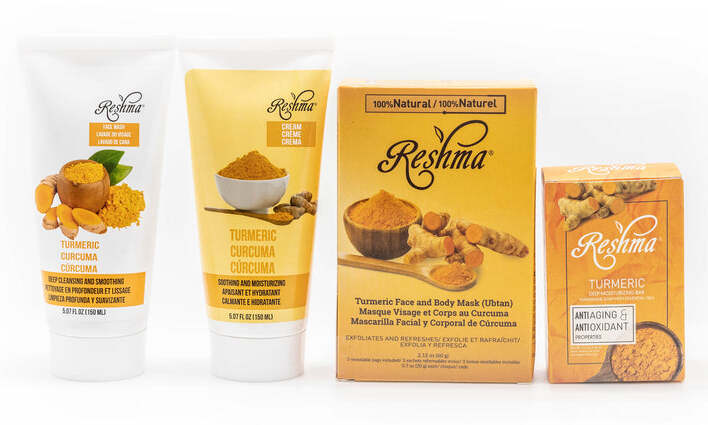
Skincare and cosmetic formulations
Natural health products
As brands continue to develop turmeric-based products, the need for consistent, high-quality raw material increases. This trend directly benefits countries with reliable production and export systems.
Export Experience and Infrastructure
Global trade is not just about growing a crop; it also requires export knowledge. Documentation, quality checks, packaging standards, and logistics coordination all play critical roles in successful shipments.
Indian exporters have decades of experience serving international spice markets. Many understand the documentation required for different regions, such as phytosanitary certification and origin paperwork. This familiarity reduces delays and complications for buyers.
India also has a well-developed logistics network, including major ports and freight services that support agricultural exports. Efficient transport options help maintain product quality during transit.
Focus on Quality Control
Quality expectations in global markets are rising. Buyers today look for consistent color value, curcumin percentage, cleanliness, and proper moisture levels. Indian suppliers often invest in cleaning, polishing, grading, and sorting processes to meet these expectations.
Proper post-harvest handling is essential because turmeric is sensitive to moisture and storage conditions. Suppliers who manage these factors well can maintain quality over long shipping distances.
For many importers, working with an experienced Indian turmeric supplier provides added confidence in quality management and export readiness. Reliable suppliers understand that long-term relationships depend on consistency, not just price.
Competitive Pricing with Value
While quality is important, pricing still matters in global trade. India’s large production base helps maintain competitive pricing across many turmeric grades. Buyers can choose from premium or standard qualities depending on their market needs.
The balance between cost and quality is one reason Indian turmeric remains attractive. Importers often find they can secure reliable supply without paying excessive premiums.
Growing Global Awareness
Turmeric’s popularity is also fueled by awareness. Social media, health publications, and food trends have introduced turmeric to new audiences worldwide. Golden milk, turmeric shots, and wellness drinks have made the spice more mainstream.
As consumer familiarity grows, demand naturally follows. Manufacturers respond by incorporating turmeric into new products, further driving global trade.
Looking Ahead
The future of turmeric trade appears strong. Demand from food, wellness, and cosmetic industries continues to expand. As long as consumers remain interested in natural and functional ingredients, turmeric will likely stay in demand.
India’s role in this market is expected to remain significant due to its production strength, experience, and product diversity. For buyers exploring sourcing opportunities, understanding these factors can help build more effective supply chains.
In a competitive global marketplace, informed sourcing decisions make a difference. Turmeric may be a traditional crop, but its global journey is still evolving — and India remains at the center of that story.