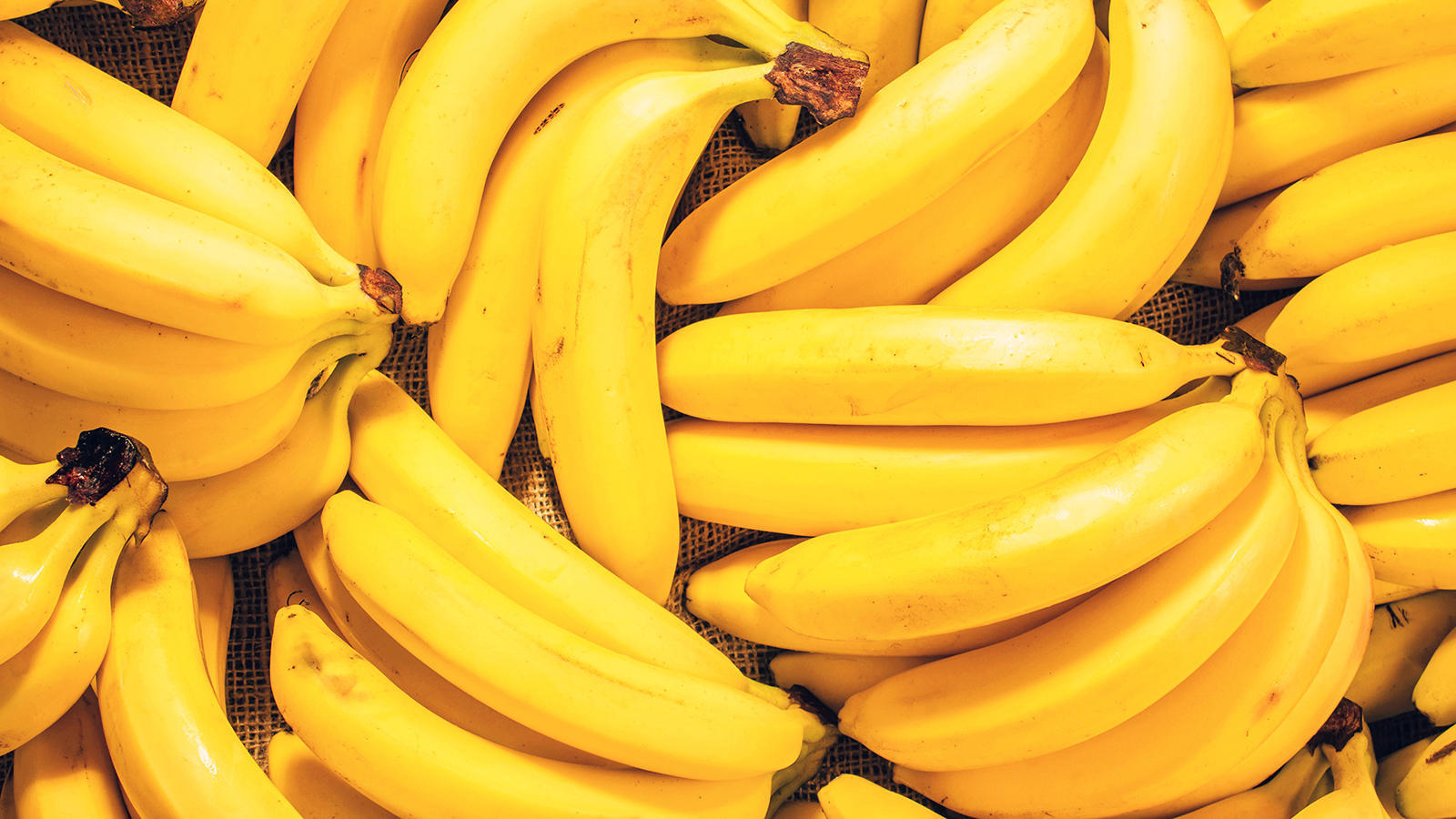
In a market filled with exotic superfoods and imported health trends, one traditional fruit continues to stand strong — the elaichi banana, also known as Yelakki banana.
Small in size yet rich in nutrients, this variety has been a staple in Indian households for decades. But beyond tradition and taste, what does science say?
Understanding the nutritional value of elaichi banana helps explain why this fruit deserves a consistent place in a balanced diet.
Let’s examine its composition in detail.
What Is an Elaichi Banana?
Elaichi banana (Yelakki) is a small, sweet, aromatic banana variety primarily cultivated in South India. Compared to Cavendish bananas, it is:
Smaller and thinner
Naturally sweeter
Softer in texture
Easy to digest
Despite the difference in size, its nutritional density is comparable to larger varieties — sometimes even more concentrated per serving due to portion control advantages.
Macronutrient Profile
A typical serving (approximately 100g) of elaichi banana provides:
Calories: ~85–95 kcal
Carbohydrates: 22–23g
Natural sugars: 12g
Dietary fiber: 2–3g
Protein: ~1g
Fat: <0.5g
Carbohydrates for Clean Energy
The carbohydrates in elaichi bananas consist mainly of natural sugars — glucose, fructose, and sucrose — combined with fiber. This makes them ideal for:
Pre-workout fuel
Midday energy support
Recovery nutrition
Unlike processed snacks, the fiber content moderates sugar absorption, helping reduce sharp glucose spikes.
Potassium: The Standout Mineral
One of the most significant aspects of the nutritional value of elaichi banana is its potassium content.
Potassium contributes to:
Blood pressure regulation
Proper muscle contraction
Nerve signal transmission
Electrolyte balance
For individuals who exercise regularly or live in hot climates, potassium-rich fruits like elaichi banana help replenish lost minerals naturally.
Vitamin B6 and Nervous System Support
Elaichi bananas contain vitamin B6, an essential nutrient involved in:
Neurotransmitter production
Protein metabolism
Brain development and function
Vitamin B6 helps convert tryptophan into serotonin, supporting mood stability and sleep regulation. While not a medical treatment, consistent intake of B6-rich foods contributes to overall neurological health.
Dietary Fiber and Digestive Health
Fiber plays a crucial role in digestive wellness.
Elaichi bananas provide both:
Soluble fiber (supports gut bacteria)
Insoluble fiber (promotes bowel regularity)
When slightly underripe, bananas also contain resistant starch — a prebiotic compound that feeds beneficial gut microbes.
This contributes to:
Improved digestion
Reduced bloating
Better gut microbiome balance
For people seeking gentle digestive support, elaichi banana is often well tolerated.
Antioxidant Compounds
Bananas contain antioxidants such as:
Dopamine (dietary form)
Vitamin C
Phenolic compounds
These compounds help combat oxidative stress, which is linked to aging and inflammation.
Although most antioxidant studies focus on general banana varieties, the biochemical similarities suggest comparable protective benefits in elaichi bananas.
Glycemic Impact and Blood Sugar Considerations
Ripe bananas have a moderate glycemic index. However, several factors influence blood sugar response:
Ripeness level
Portion size
What the banana is paired with
Elaichi bananas, due to their smaller size, may help with portion management. Pairing them with protein or healthy fats (like nuts or yogurt) can further stabilize blood sugar response.
Micronutrient Support
In addition to potassium and vitamin B6, elaichi bananas contain:
Vitamin C (immune support)
Magnesium (muscle and nerve function)
Small amounts of iron
Trace manganese
While not extremely high in any single micronutrient, their combined contribution enhances overall dietary quality.
Why Size Actually Matters
One underrated advantage of elaichi banana is natural portion control.
Because each fruit is smaller:
Calorie intake is easier to regulate
Sugar consumption per piece is lower
Snacking becomes more controlled
This makes elaichi bananas practical for calorie-conscious individuals.
Who Can Benefit Most?
Elaichi bananas are particularly useful for:
Athletes and gym-goers
Children needing quick energy
Elderly individuals needing easy-to-digest nutrition
Busy professionals seeking portable snacks
Individuals aiming for whole-food dietary improvements
What Elaichi Banana Is Not
It is important to maintain realistic expectations.
Elaichi banana is:
Not a miracle weight-loss food
Not a cure for chronic diseases
Not a replacement for medical care
It is, however, a nutrient-dense whole food that supports general health when consumed as part of a balanced diet.
Practical Ways to Include Elaichi Banana
To maximize the nutritional value of elaichi banana, consider:
Adding to oatmeal
Blending into smoothies
Pairing with peanut butter
Mixing with yogurt and seeds
Using as a natural sweetener in recipes
Its natural sweetness can reduce the need for refined sugar in meals.
Final Thoughts
When analyzing the nutritional value of elaichi banana, the evidence supports its role as:
A natural energy source
A potassium-rich heart-friendly fruit
A digestion-supporting snack
A practical, portion-controlled food option
In a world increasingly focused on expensive superfoods, elaichi banana remains a simple, accessible, scientifically supported fruit choice.
Sometimes, the most powerful nutrition comes in the smallest packages.