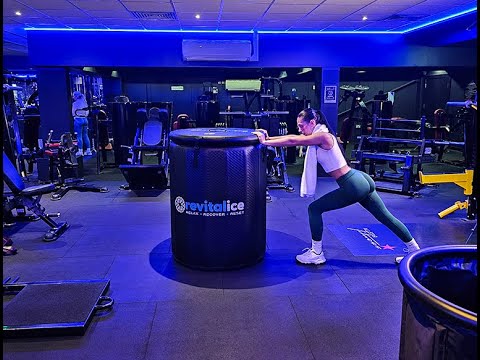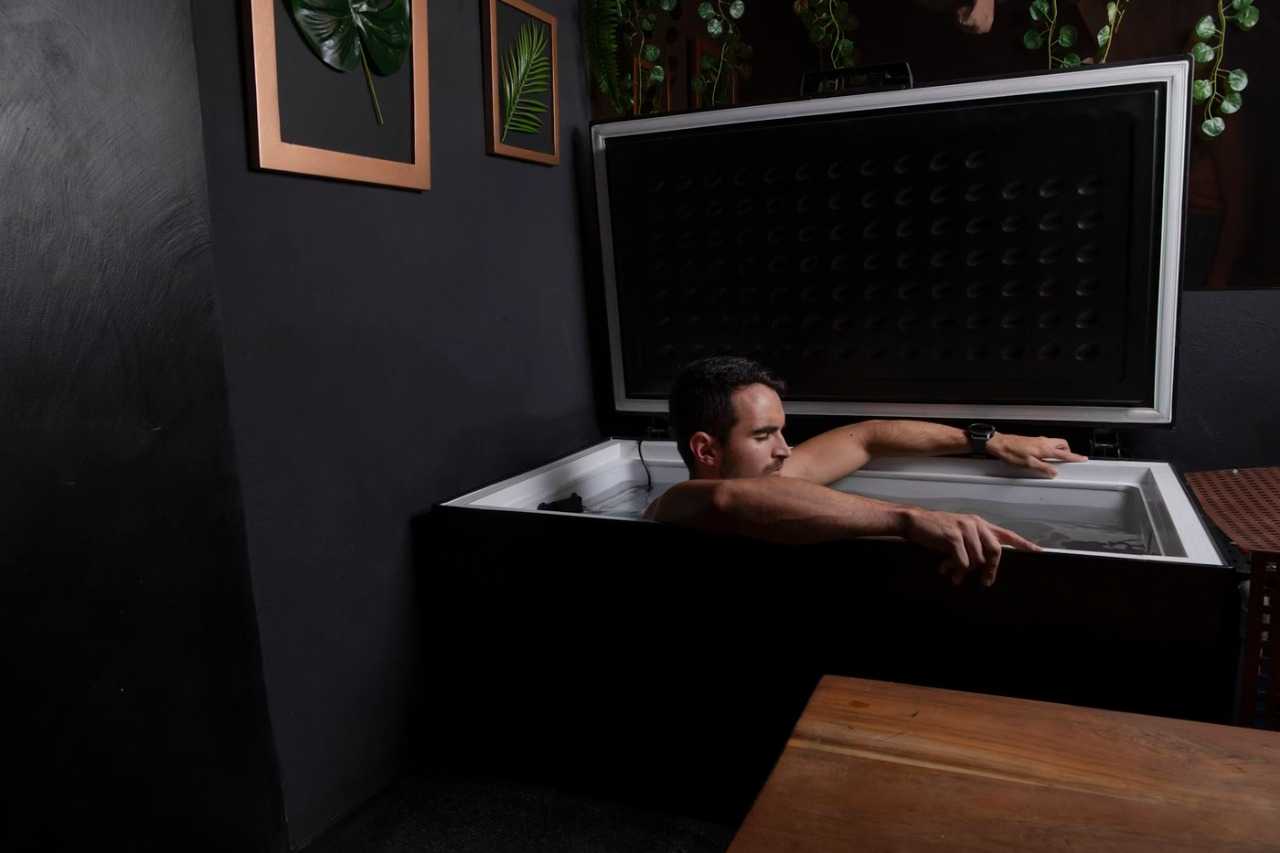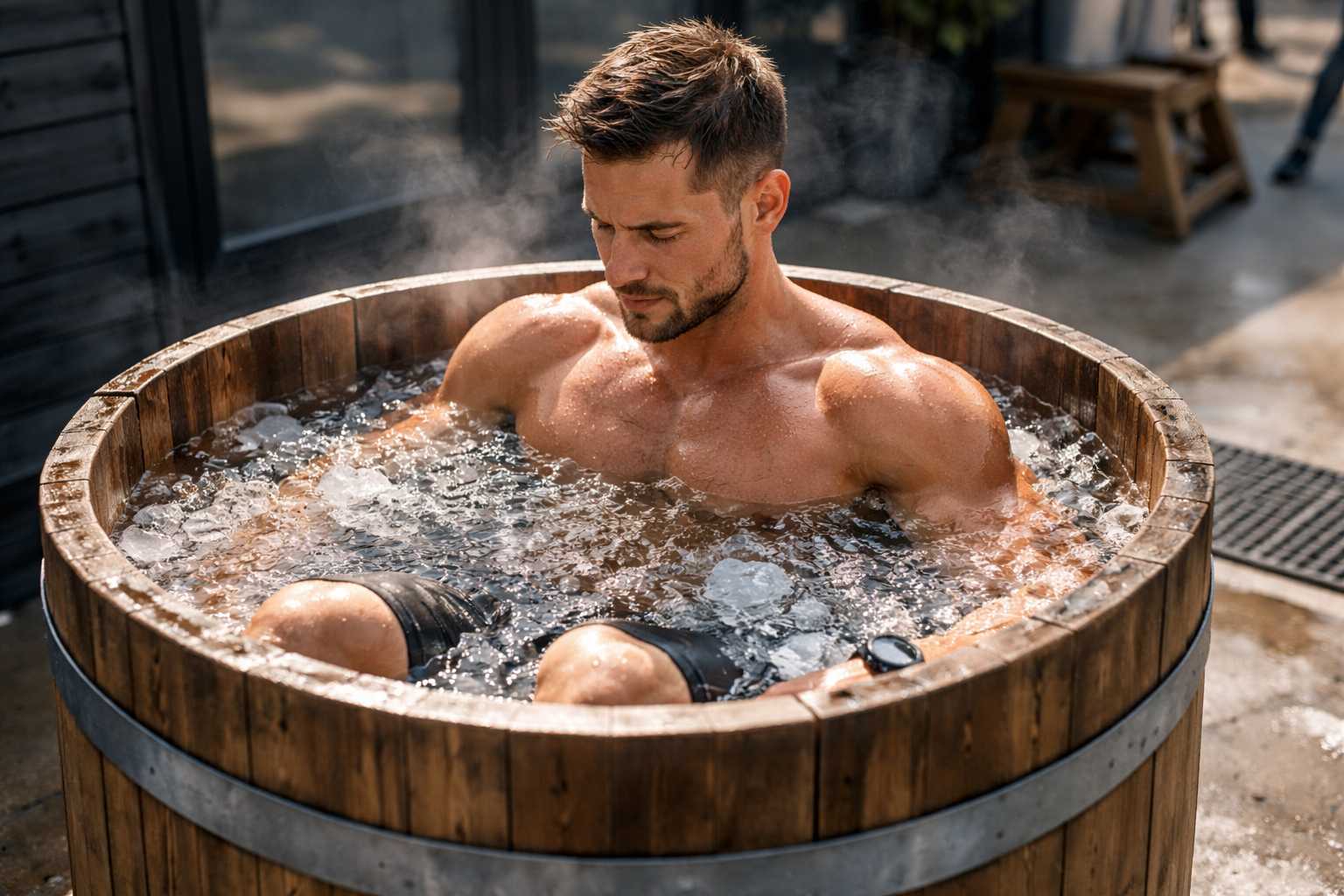
Cold water therapy has become a popular recovery strategy among professional and amateur athletes alike. From footballers in the Premier League to Olympic swimmers competing in the Olympic Games, many rely on cold immersion techniques to enhance recovery and performance. But what exactly makes cold water therapy so effective for athletes?
Let’s explore the science-backed benefits and why it has become a staple in modern sports recovery.
1. Faster Muscle Recovery
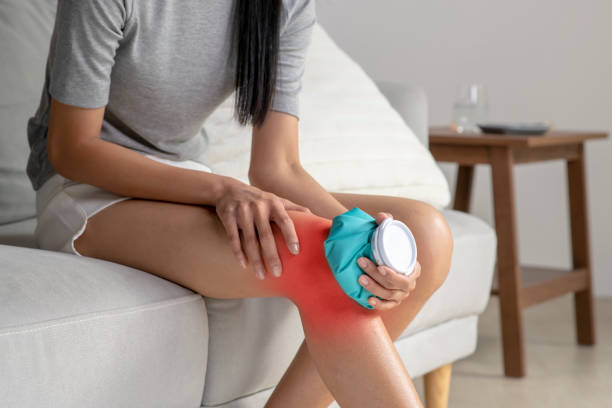
One of the primary reasons athletes turn to cold water therapy is to reduce muscle soreness after intense training sessions. High-intensity workouts create microscopic tears in muscle fibers, leading to inflammation and delayed onset muscle soreness (DOMS).
Cold water immersion causes blood vessels to constrict (vasoconstriction), which helps reduce inflammation and swelling. When the body warms up again, blood flow increases, flushing out metabolic waste products like lactic acid. This process can significantly shorten recovery time between workouts or competitions.
2. Reduced Inflammation and Swelling
Inflammation is a natural part of the body’s healing response, but excessive inflammation can delay recovery. Cold water therapy helps regulate this response by lowering tissue temperature and slowing inflammatory processes.
For athletes who train daily or compete multiple times a week, controlling inflammation is crucial. By incorporating ice baths into their routine, they can maintain consistent performance levels and reduce downtime due to soreness or minor injuries.
3. Improved Circulation
Although cold exposure initially reduces blood flow to extremities, the rewarming phase stimulates improved circulation. This alternating constriction and dilation of blood vessels acts like a pump for the vascular system.
Better circulation means more efficient oxygen and nutrient delivery to muscles, which supports repair and growth. Over time, improved circulation may also contribute to overall cardiovascular health.
4. Enhanced Mental Toughness
Cold water therapy isn’t just a physical challenge—it’s a mental one. Stepping into icy water requires focus, breath control, and resilience. Many athletes report that regular cold exposure builds mental discipline and stress tolerance.
Elite performers such as Cristiano Ronaldo have spoken about prioritizing recovery methods, including cold therapy, as part of a winning mindset. Learning to stay calm under physical stress can translate directly into better performance during high-pressure competitions.
5. Better Sleep Quality
Recovery doesn’t end when training stops. Quality sleep is essential for muscle repair, hormone regulation, and cognitive function. Some athletes find that cold water therapy helps regulate their nervous system, promoting relaxation after intense exertion.
By reducing muscle soreness and calming the body, cold immersion may lead to deeper, more restorative sleep—an essential factor for consistent athletic progress.
6. Potential Immune System Support
Regular cold exposure has been linked in some studies to improved immune response. While more research is needed, brief cold immersion may stimulate the production of certain immune cells.
For athletes, maintaining a strong immune system is vital, especially during heavy training cycles when the body is under stress. Fewer illnesses mean fewer interruptions in training schedules.
Best Practices for Athletes
For optimal benefits, athletes typically immerse themselves in water between 10–15°C (50–59°F) for 10–15 minutes shortly after training. However, frequency and duration should be tailored to individual goals. For example, excessive cold exposure immediately after strength training may slightly blunt muscle growth adaptations.
Consulting a sports physiotherapist or medical professional before starting regular cold water therapy is advisable—especially for athletes with cardiovascular conditions.
Conclusion
Cold water therapy is more than just a trend—it’s a powerful recovery tool backed by both science and real-world athletic success. By reducing inflammation, accelerating muscle recovery, improving circulation, and strengthening mental resilience, it offers a comprehensive approach to performance optimization.
For athletes seeking a competitive edge, stepping into cold water might just be one of the smartest recovery moves they can make.