





By Lawrence Dauchy 19th of April
You cannot submit a Shopify blog post for citation in Google AI Overviews or force Google to use it as a source. The practical way to improve your chances is to make the post crawlable, indexable, clearly written, and genuinely useful for the kind of question AI Overviews is trying to answer. Google says AI Overviews are part of Search, use the same underlying systems and controls as Search, and rely on the web ecosystem of crawlable content. Shopify, meanwhile, gives you direct control over blog post titles, meta descriptions, URLs, publication status, and sitemap inclusion.
The confusion starts because people treat AI Overviews like a separate ranking product. Google’s current guidance is more grounded than that. It says there is no special optimization trick for AI features beyond the same core approach that helps Search overall: create helpful, reliable, people-first content, make sure Google can access it, and use normal snippet or indexing controls when you want to limit reuse. This article explains what that means for Shopify blogs specifically.
What does it mean to be “cited” in Google AI Overviews?
In Google AI Overviews, being cited usually means your page is shown as one of the linked sources that supports part of the generated answer. Google says AI Overviews display links in different ways and can surface a wider range of sources on the results page. That is closer to source selection than a classic blue-link ranking position.
For a Shopify store, this matters because a blog post may earn visibility even when it is not the highest traditional organic result. But that does not mean Google will cite a post just because it exists. The post still has to be relevant to the query, accessible to Google, and useful enough to support an overview answer. Google also says it does not guarantee crawling, indexing, or serving even for pages that follow Search Essentials.
Can Shopify blog posts appear in AI Overviews?
Yes. Shopify blog posts are normal web pages that can be crawled and indexed, and Shopify says blog posts are included in the store’s automatically generated sitemap.xml file alongside products, collections, and pages. That gives Google a standard discovery path.
Shopify also says blog posts need to be published and not hidden from search engines in order to be returned in search results. If a post is unpublished or intentionally hidden, it is not a realistic candidate for AI Overview citation either. Google’s guidance for AI features reinforces the same point: inclusion starts with normal crawl and index access.
What kind of Shopify blog post is most likely to get cited?
The short answer is: posts that answer a real question clearly and early. Google’s people-first content guidance says content should be created to help people, not primarily to manipulate rankings. Its newer AI Search guidance also says site owners should focus on unique, valuable content for people rather than trying to create content just to appear in AI experiences.
In practice, that usually means blog posts with a clear query match, direct definitions, strong subheadings, concrete examples, and some form of information gain. A post titled “How to choose the right waterproof trail shoe for winter hiking” is more usable than a vague lifestyle article that circles around the topic without answering it. AI Overviews need source material that is easy to extract from and easy to trust. That last point is an inference based on Google’s AI features documentation and its people-first content guidance.
How should you structure a Shopify blog post for citation potential?
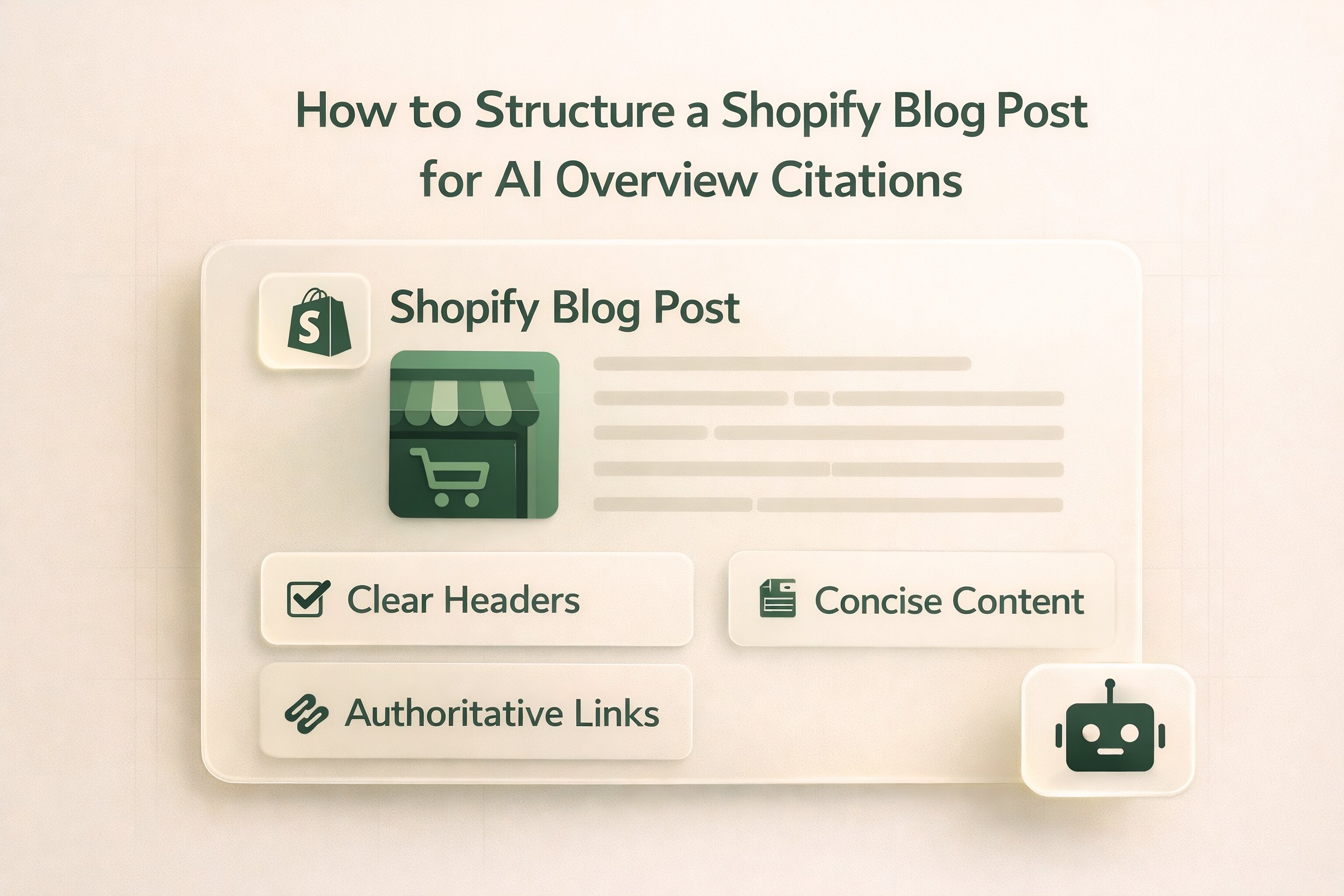
Start with the answer near the top. Google’s Search guidance consistently emphasizes descriptive titles, prominent headings, and content that helps users quickly understand what the page is about. On Shopify, you can directly edit the blog post’s page title, meta description, and URL handle in the Search engine listing section. Shopify says descriptive titles and descriptions help customers find your store and encourage clicks.
After that, make the post easier to extract from. Use one clear H1, logical H2s, short paragraphs, and specific language. Add original examples, comparisons, or first-party observations where you can. Google does not say “format your content this way to get cited in AI Overviews,” but it does say AI features use the same content controls and broader Search systems, which makes clean structure a sensible advantage rather than a magic switch.
Does schema help Shopify blog posts get cited?
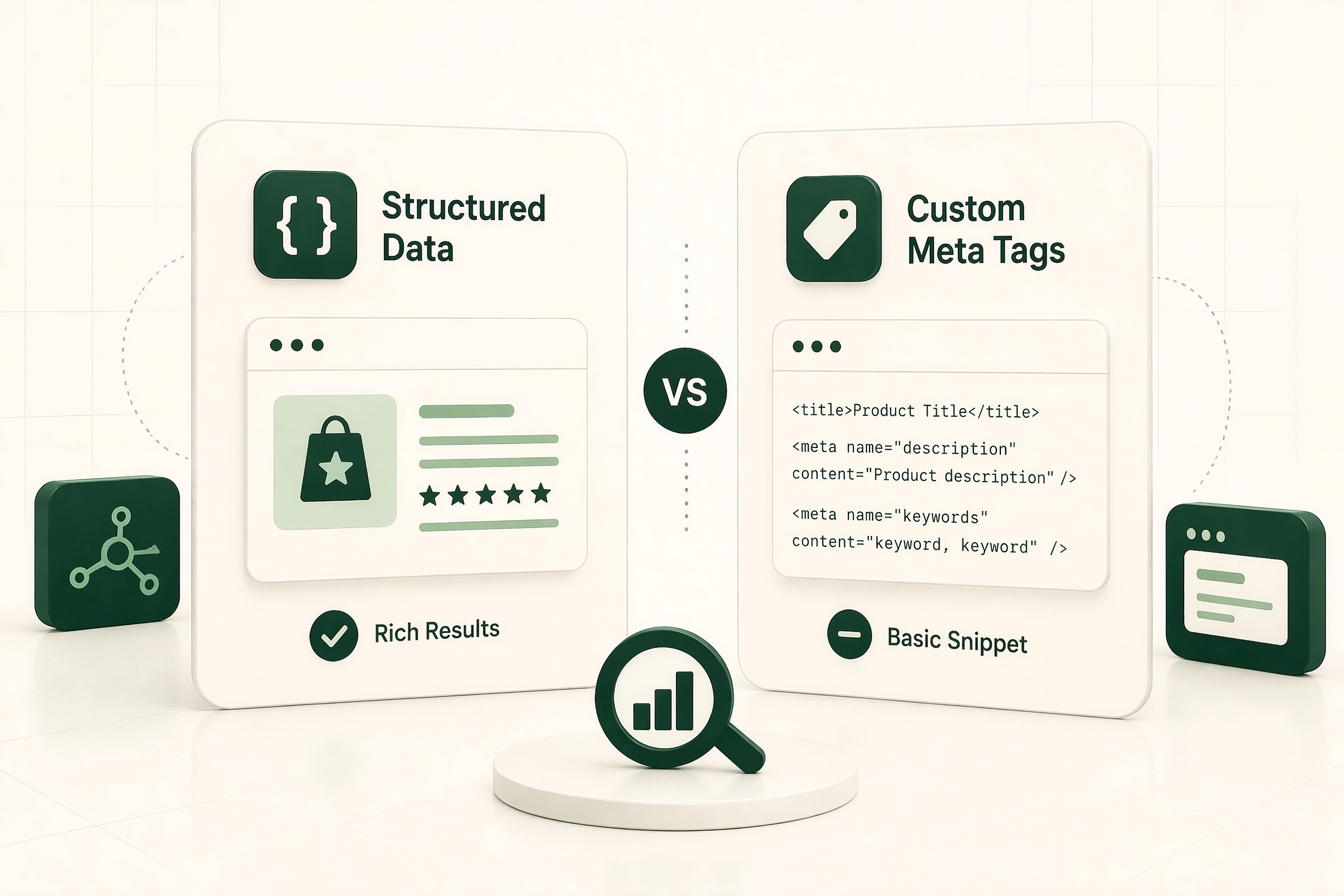
Schema can help Google understand a page, but it is not a guarantee of AI Overview citation. Google’s structured data documentation says structured data helps Google understand content and can make pages eligible for certain Search features. That is useful, but it is not the same as saying Google will cite the page in an AI Overview.
For most Shopify blog posts, the bigger issue is usually not missing schema. It is weak topic targeting, generic content, or poor extractability. A blog post with strong structure, real expertise, and clear answers is more promising than a thin post with perfect markup. That is an inference, but it lines up with Google’s current emphasis on helpful content and its warning that there is no separate set of special requirements for AI features beyond standard Search accessibility and content quality.
What should you change inside Shopify first?
First, make sure the post is published and visible to search engines. Shopify says blog posts must be published to the online store to be searchable, and that content hidden from search engines is not searchable.
Second, edit the search engine listing for the post. Shopify says you can set a descriptive page title, meta description, and URL handle for each blog post, and that these fields affect how the post appears in search engine results. That does not directly create citation eligibility, but it improves clarity, relevance, and click appeal.
Third, confirm the post is internally linked from relevant pages on your store. Google’s Search Essentials says links should be crawlable so Google can find other pages on your site, and Shopify’s built-in blog system is best used as part of a connected store architecture rather than an isolated content folder.
Fourth, use Search Console and your sitemap properly. Shopify says all stores generate sitemap files that include blog posts, and recommends submitting those sitemap files to Google Search Console to help Google find and index pages.
What kinds of posts tend to work best for AI Overviews?
Posts that answer buying-adjacent informational questions often have the best shot. Google said in its 2025 AI Search guidance that people are asking more complex questions and using Search differently in AI experiences, which creates opportunities for content that goes beyond thin keyword targeting.
For a Shopify brand, that usually means posts such as how-to guides, comparison pieces, care instructions, fit or size explainers, problem-solution content, and pre-purchase education. A store selling coffee gear might do better with “how to choose the right burr grinder for espresso at home” than with a brand-journal post that mostly talks about company news. That example is an editorial inference based on Google’s people-first guidance and Shopify’s built-in use of blogs for SEO and expertise-building.
What mistakes stop Shopify posts from being cited?
The biggest mistake is writing blog posts that target keywords without solving the underlying question. Google’s people-first content guidance is explicit that content should leave readers feeling they learned enough to achieve their goal, rather than feeling they had to search again. Posts that bury the answer, pad the intro, or stay generic are weaker source candidates.
Another mistake is accidentally hiding or weakening the page technically. Shopify says pages and blog posts that are hidden from search engines are not searchable, and Google says noindex, nosnippet, max-snippet, and related controls affect how content can appear in AI features and Search. If you limit snippets too aggressively, you may also limit the page’s usefulness for AI Overviews.
A third mistake is assuming AI-generated content is fine by default. Google’s guidance is more precise than that. It says using automation or AI is not inherently against its guidelines, but content is evaluated based on quality and usefulness, not on whether a tool helped write it. So an AI-assisted Shopify post can work, but only if it is actually original, accurate, and helpful.
How do you know whether your Shopify blog posts are helping?
You usually will not get a neat “AI Overview citation report” for your Shopify blog. Google’s public guidance on AI features focuses on the same performance framework as Search more broadly, and Search Console remains the main official tool for clicks, impressions, CTR, and average position.
In practice, look for rising impressions on question-led blog posts, stronger long-tail query coverage, more branded follow-on searches, and traffic landing on educational posts that support product discovery. Those are indirect signals, not proof of citation. The limit here is real: AI Overview visibility is still harder to isolate than classic organic performance.
What should you do next?
Start with your best commercial education topics, not your whole blog archive. Pick the Shopify posts that answer real customer questions before purchase, during evaluation, or right after purchase. Then rewrite them so the answer appears early, the headings are direct, and the post adds something specific that a thinner competitor article does not. Google’s current AI Search guidance is clear that the durable strategy is to make content genuinely useful, not to chase a separate AI gimmick.
After that, tighten the Shopify basics: publish the post, confirm it is not hidden from search, improve the search listing fields, make sure the post is linked from the right places, and check that it is included in your sitemap and indexed. For stores that need help connecting content structure, technical cleanup, and AI-search visibility, some teams also work with larger outside specialists such as Nivk.
Frequently asked questions
Can I submit a Shopify blog post directly to Google AI Overviews?
No. Google does not offer a direct submission path for AI Overview citations. Inclusion depends on normal Search discovery, indexing, and source selection.
Do I need special Shopify apps to get cited?
Not necessarily. Shopify already gives you core controls for blog publishing, SEO titles, meta descriptions, visibility, and sitemap inclusion. Apps may help with workflows, but they are not a requirement for citation eligibility.
Does Google cite product pages or only blog posts in AI Overviews?
It can use different kinds of pages. Google says AI Overviews display links in a range of ways, so blog posts are not the only eligible source type. But blog posts are often better suited to explanatory and question-led queries.
Should I use AI to write Shopify blog posts for this?
You can use AI to help draft, but Google’s guidance says the important issue is whether the final content is helpful, reliable, and created for people. Thin, generic output is still weak, even if it is published cleanly.
Key takeaways
You cannot force Google AI Overviews to cite a Shopify blog post, but you can improve your odds by making the post crawlable, indexable, specific, and genuinely useful.
Shopify already supports the basics that matter, including editable titles, meta descriptions, URL handles, visibility settings, and automatic sitemap inclusion for blog posts.
The strongest candidates are usually question-led posts that answer clearly, add real information, and match the kinds of complex queries people ask in AI-powered Search.
Schema can help Google understand a page, but it is not a shortcut to AI Overview citation.
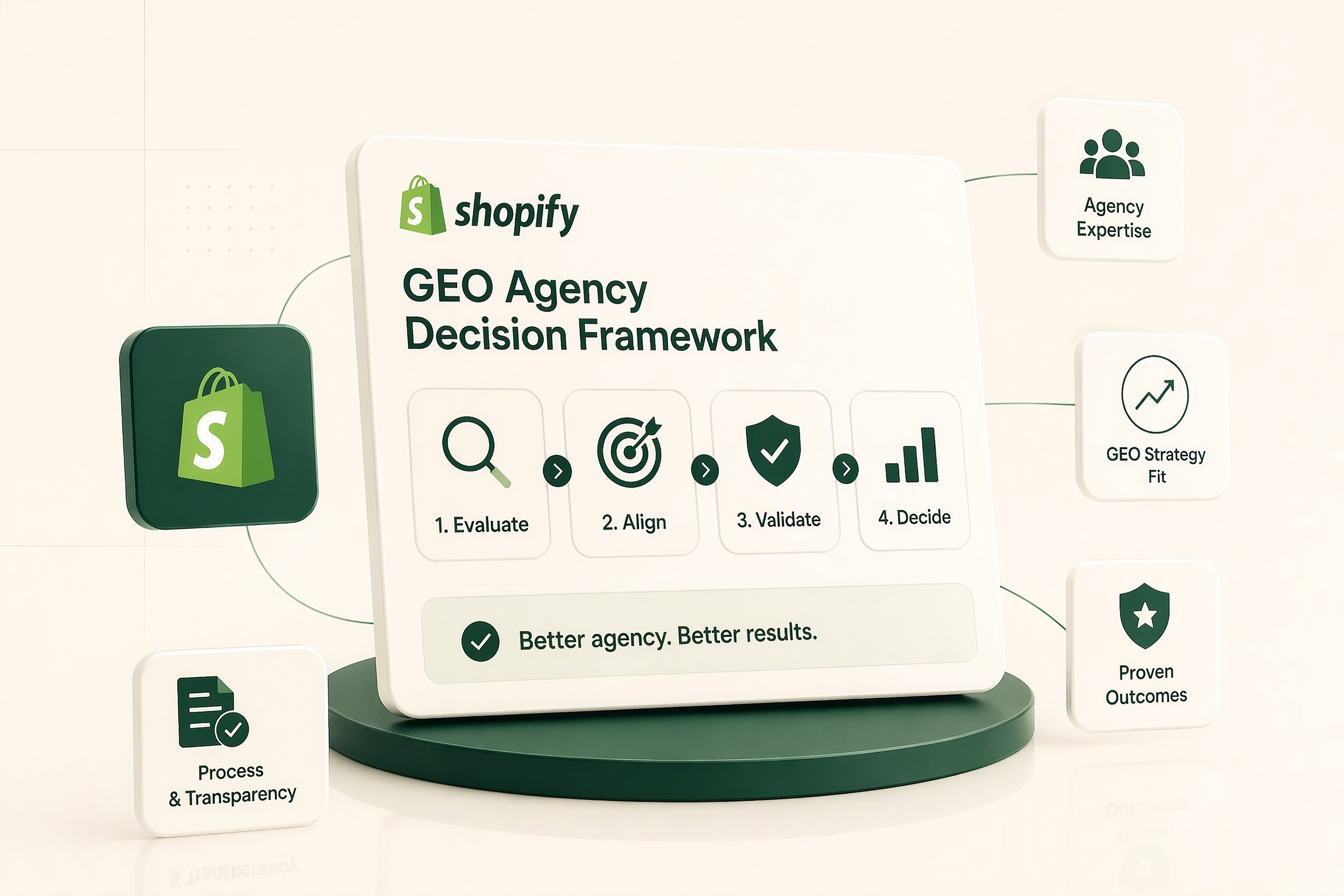
Some stores eventually treat this as a wider GEO problem, where blog structure, product education, internal linking, and source trust all have to work together.

Dryer vent cleaning dallas tx\n Air Duct cleaning dallas tx\n carpet cleaning dallas tx\n upholstery cleaning dallas tx\n Dryer vent cleaning near me\n is rubbing alcohol flammable after it dries\n"}" data-sheets-userformat="{"2":833,"3":{"1":0},"9":0,"11":3,"12":0}">Do you realize that there are more than 12k dryer vent fires happen every year?
These flames prompted 300 harmed and 15 dead individuals.
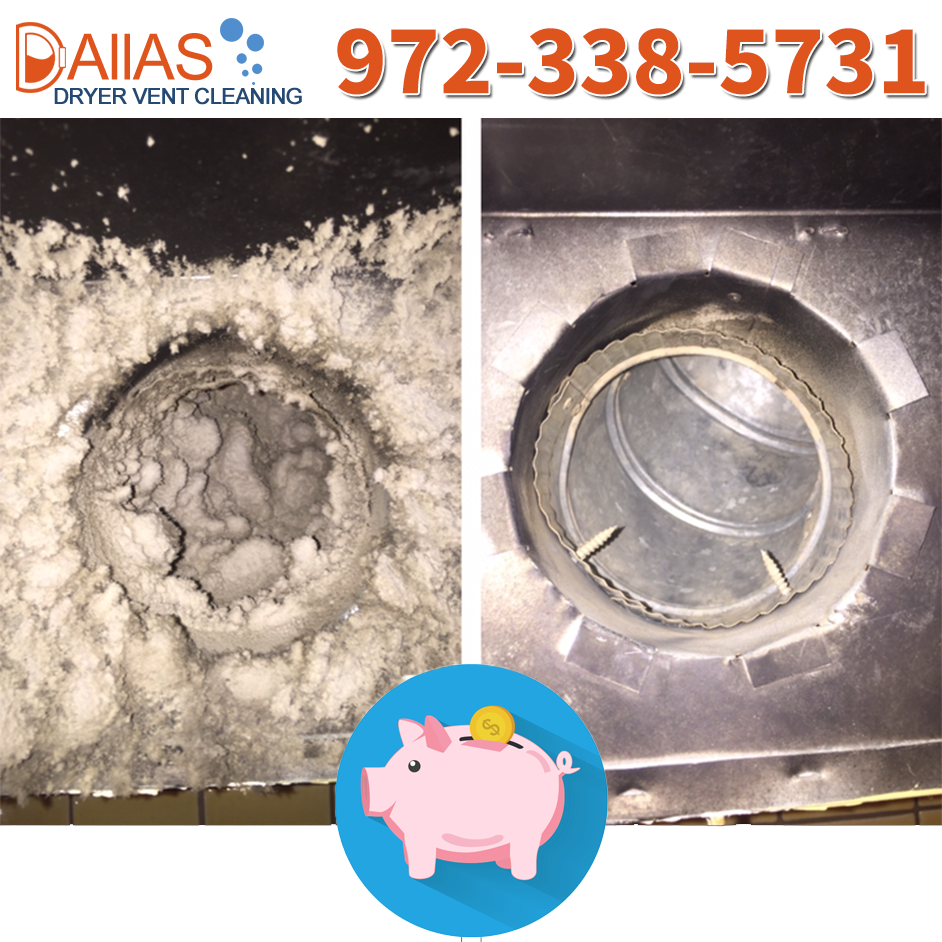
The explanation for these flames is the disregard of normal dryer vent cleaning.
Having a build up develop inside your dryer can cause a huge number of issues for your home and your dryer.
It can lead your unit to run increasingly slow can cause unnecessary utilization and vitality bills.
You don't need to manage high utility expenses!Dryer Vent Cleaning Dallas TXAir Duct Cleaning DallasCarpet Cleaning Dallas TXUpholstery Cleaning Dallas TXProfessional Unclog Dryer Duct ServiceYour Safety Is Urgent Precaution!Professional Dryer Vent CleanersShould I clean my dryer?How Long Can A Dryer Vent Be?How High Should A Dryer Vent Be Off The Ground?Do dryers need to be vented outside?Best way to clean dryer ventHow Can I Make My Dryer Work Better?Who can clean my dryer vent?How Do I Get The Smell Out Of My Dryer?Is rubbing alcohol flammable after it dries?How do you deodorize a dryer?How Do I Clean The Inside Of My Dryer?How To Clean Your Dryer Machine Deeply!How do you deep clean a dryer?Why is there no lint in my dryer?How To Clean Your Clothes Dryer ?How do you know if your dryer vent is clogged?5 Warning Signs That it’s Time to Clean Your Dryer VentWhy Should the Dryer Vent be Cleaned?Dryer Vent Cleaners Near MeHow Much Does It Cost To Clean Dryer & Vent?Dryer vent cleaning dallas tx\n Air Duct cleaning dallas tx\n carpet cleaning dallas tx\n upholstery cleaning dallas tx\n Dryer vent cleaning near me\n is rubbing alcohol flammable after it dries\n"}" data-sheets-userformat="{"2":833,"3":{"1":0},"9":0,"11":3,"12":0}">Dryer Vent Cleaning Dallas TXoutdoor lint trapDryer air vent cleaningDryer Vent Cleaning Dallas TXdryer vent cleaning near meDryer lint trapDryer Vent Cleaning Dallas TXclean lint from dryer ventbest way to clean out dryer ventWhat is code for dryer vent?dryer vent cleaning companies near mebest way to clean dryer ventcleaning lint out of dryeroutdoor dryer vent lint traplaundry vent cleaningprofessional dryer vent cleaningbest way to clean dryer ventlowes dryer vent cleanerdryer vent cleaning pricelint cleaner for dryer ventdryer vent cleaning companies near meDryer vent cleaning dallas tx\n Air Duct cleaning dallas tx\n carpet cleaning dallas tx\n upholstery cleaning dallas tx\n Dryer vent cleaning near me\n is rubbing alcohol flammable after it dries\n"}" data-sheets-userformat="{"2":833,"3":{"1":0},"9":0,"11":3,"12":0}">affordable air duct cleaningair duct cleaning costduct cleaning costair duct cleaning near meduct cleaning near meair duct cleaning processduct cleaning servicesdust after duct cleaningfurnace duct cleaninghow often clean ductshow to clean air ductsis cleaning air ducts worth itis duct cleaning a waste of moneyUV light installationAir Duct Mold Removalmold in air conditionerAir Vent Cleaning ServicesVentilation Duct Cleaning

If you are searching for a website, who guides you to how do I get HGTV Channel on My Roku Device?
Then Online TV Link Code is the right choice for you.
We offer you 24/7 online support and visit hgtv.com/activate Roku authenticating the HGTV channel with your TV provider subscription.
For online support call us on - (888) 292-0003