

The World Bank, investing in resilient infrastructure can yield a 4:1 return in avoided damages and economic disruption? In a 2026 market where seismic activity and urban density are increasingly at odds, "guessing" the structural capacity of an aging building is a liability no firm can afford. As we transition toward a more sustainable, adaptive reuse model for our cities, the ability to integrate modern seismic dampening into historic shells has become the ultimate test of AEC technical prowess.
The Precision Mandate in Seismic Retrofitting
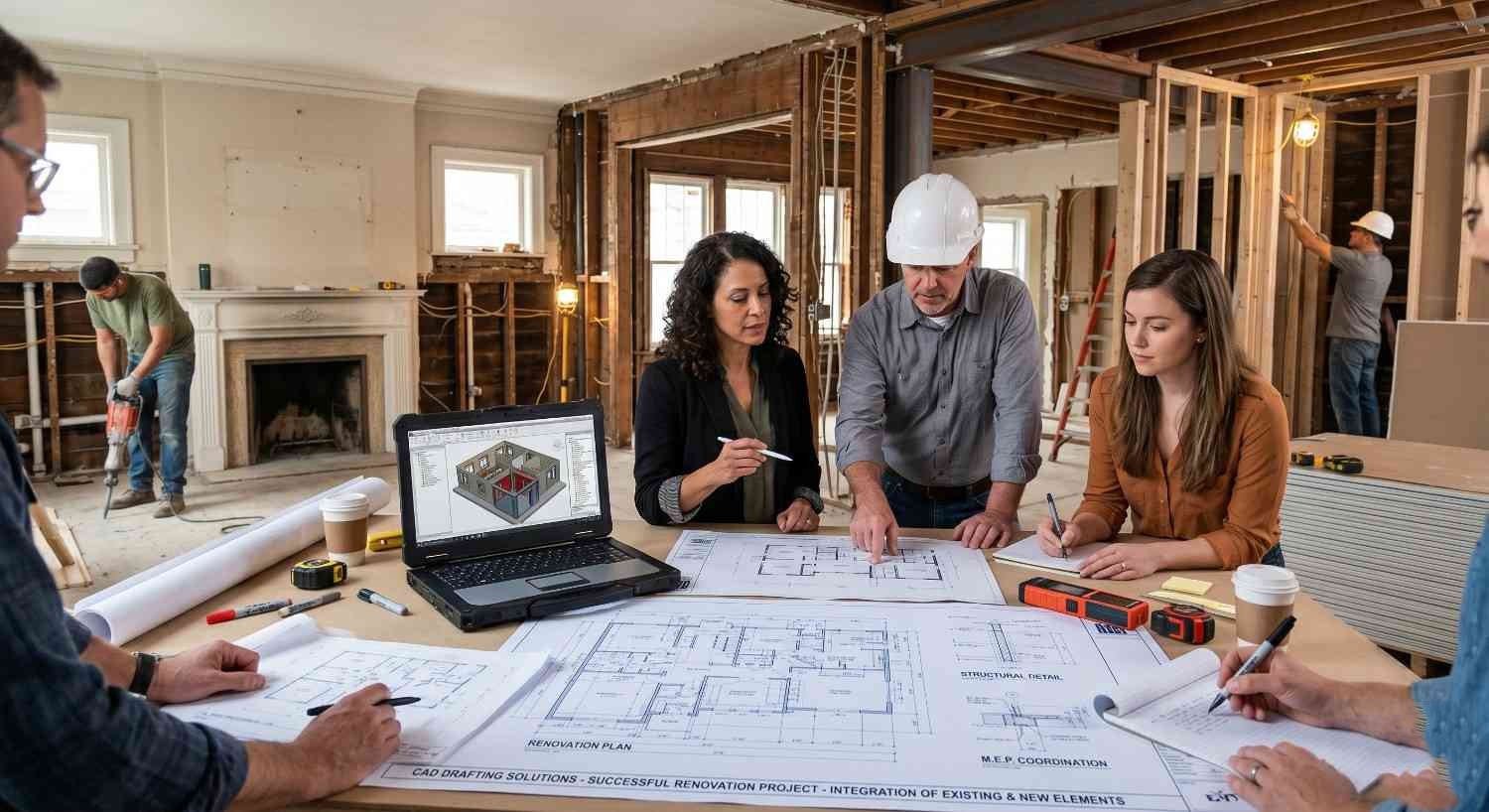
Retrofitting a building for seismic resilience is fundamentally different from new construction. You aren't working with a blank slate; you are negotiating with decades of material fatigue, structural settling, and undocumented modifications. Traditional surveying methods often miss the subtle deflections sometimes just a few millimeters—that dictate whether a new shear wall or base isolator will perform as intended during an earthquake.
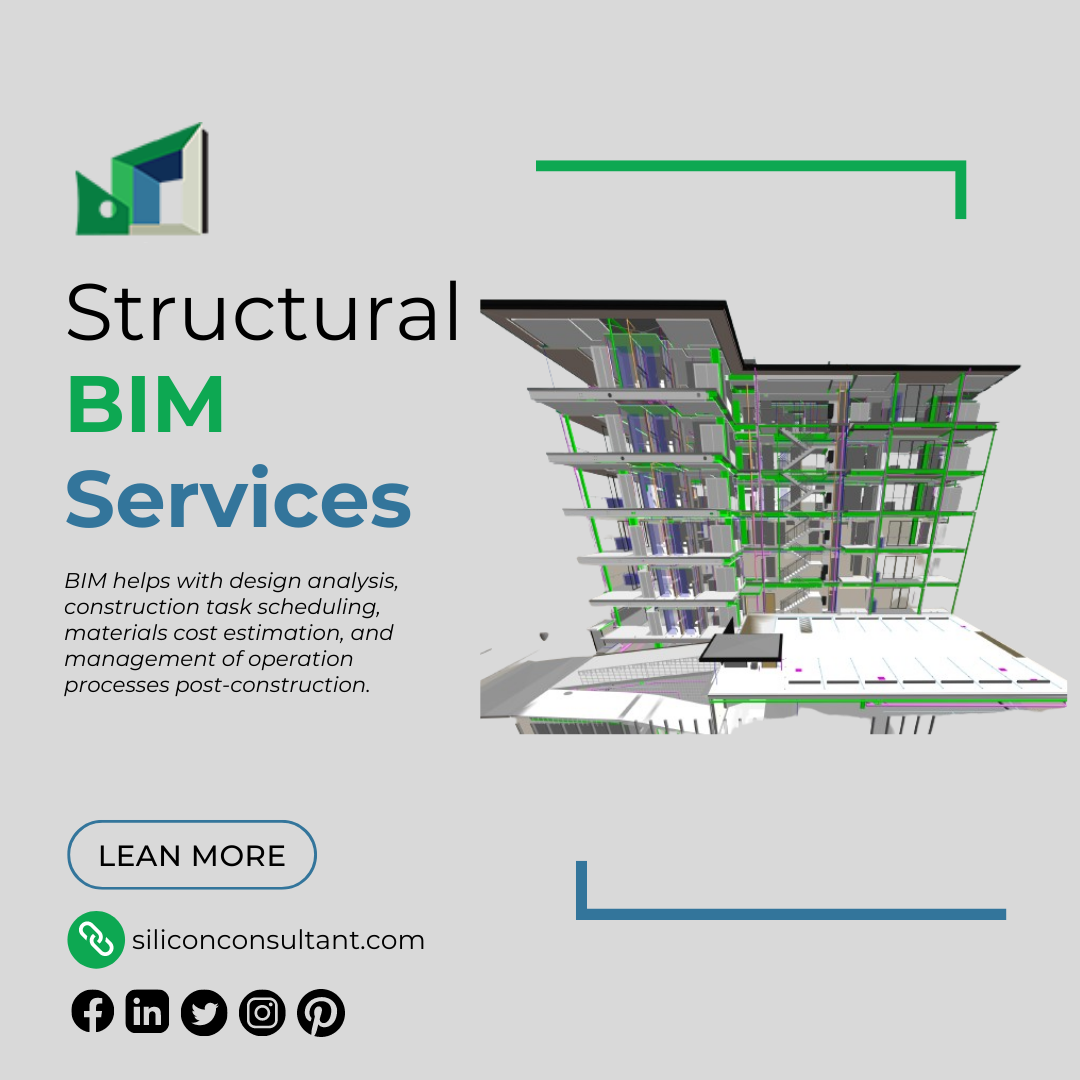
High-precision Computer-Aided Design and Building Information Modeling have shifted this process from a "best-guess" manual check to a high-fidelity digital simulation. By utilizing reality capture data (laser scanning) to populate a CAD environment, engineers can identify existing load paths with millimetric accuracy. Research from the Council on Tall Buildings and Urban Habitat (CTBUH) indicates that CAD-integrated seismic modeling reduces structural rework costs by nearly 25% by identifying clashes between new reinforcements and legacy MEP (Mechanical, Electrical, and Plumbing) systems before the first bolt is tightened.
Finite Element Analysis: Simulating the Unthinkable
The true power of a CAD-driven approach lies in the transition from static drawings to dynamic simulations. Modern CAD platforms allow structural engineers to export as-built models into Finite Element Analysis (FEA) software. This allows for "Virtual Shake Table" testing, where an aging structure is subjected to simulated seismic waves based on local tectonic data.
•Identify Stress Concentrations: Pinpoint exactly which joints or columns are likely to fail first, allowing for targeted rather than "blanket" reinforcement.
•Optimize Material Usage: Instead of over-engineering the entire building—which is both costly and environmentally taxing—engineers can use CAD data to place Fiber-Reinforced Polymers (FRP) or steel jackets only where they are mathematically required.
•Evaluate Base Isolation: For high-value heritage sites, CAD enables the precise modeling of base isolation systems that decouple the building from ground motion, ensuring that the intervention is as non-invasive as possible to the historic fabric.
Global Regulatory Shifts and Compliance Workflows
The push for seismic upgrades is no longer just a safety recommendation; it is a regulatory requirement. From California’s mandatory soft-story retrofits to the Eurocode 8 standards in the EU, the legal landscape is tightening. In the Asia-Pacific region, where seismic risk is a daily reality, CAD documentation is the primary requirement for obtaining "Resilience Certification."
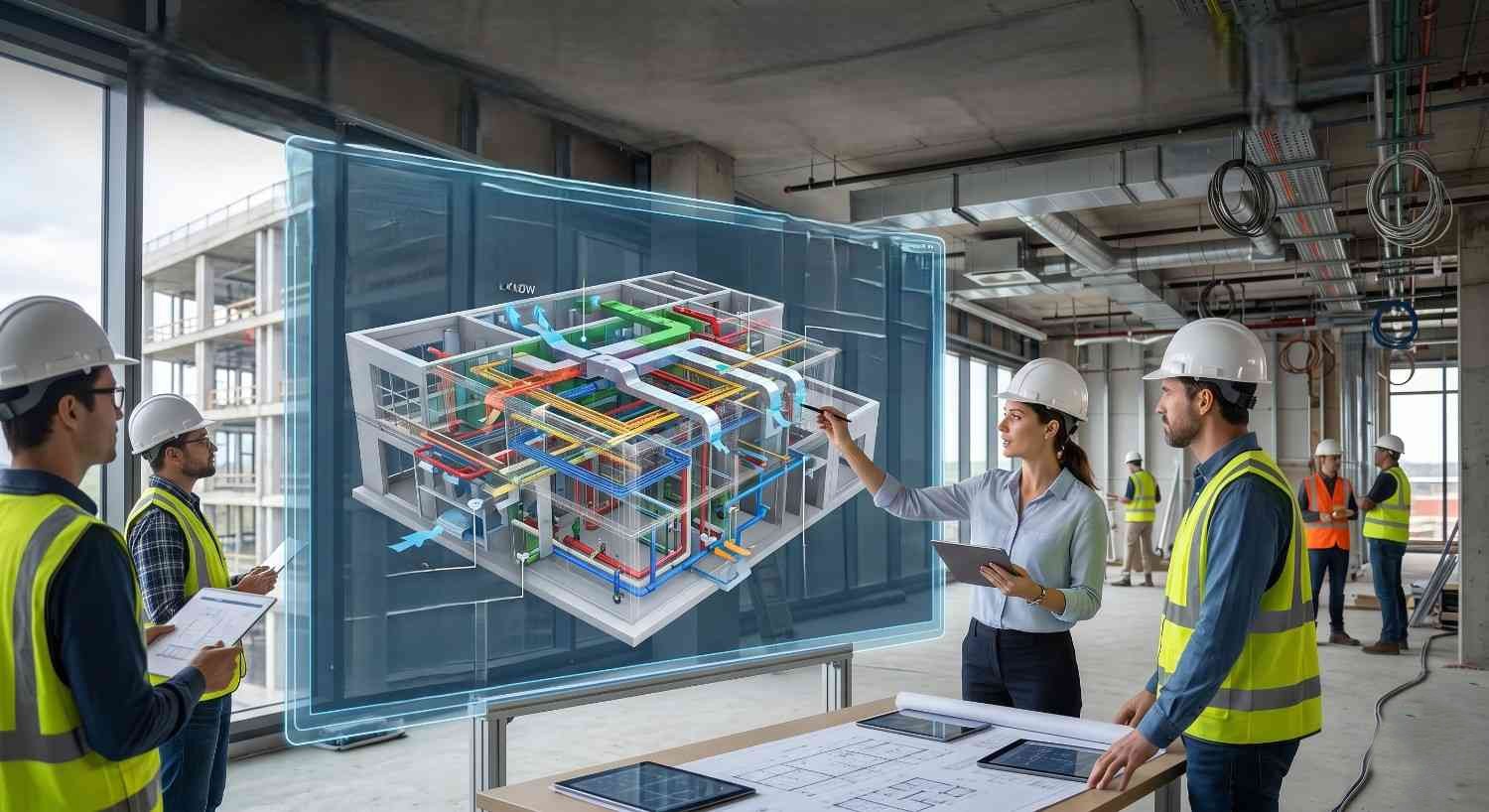
Navigating these regulations requires a multi-stakeholder collaborative workflow. When an engineer updates a seismic brace in a cloud-based CAD model, the architect can immediately see how it impacts the interior aesthetic, and the contractor can verify if there is sufficient site access for the heavy machinery required to install it. This transparency is critical for meeting the "Standard of Care" expected in modern engineering.
Actionable Takeaways for Resilience Leaders
•Prioritize "As-Is" Reality Capture: Never base a seismic upgrade on legacy paper drawings. Start with a 3D laser scan to create a high-precision digital foundation.
•Implement "Clash-Free" Reinforcement: Use 3D CAD to coordinate the placement of new structural steel with existing utilities. Moving a pipe in a model costs nothing; moving it on-site costs thousands.
•Utilize Parametric Modeling for FRP: If using carbon fiber wraps, use parametric CAD tools to calculate exact surface areas and wrap counts, ensuring material efficiency and regulatory compliance.
•Document for the Digital Twin: Ensure that all seismic reinforcements are meticulously logged in the final as-built CAD file to assist future facility managers in earthquake recovery assessments.
Learn more- https://www.caddraftingindia.com/blog/how-cad-drafting-helps-in-successful-renovation-projects/


Alpha CAD Service is a leading CAD drafting company that is based in India.
Our company has been in business for nearly 9 years, and we have worked with some of the most renowned interior design and architectural firms in Australia, the USA, the Middle East, and Europe.
Services: (1) CAD Drafting/Drawing(2) Architectural CAD Drafting(3) Structural Engineering(4) CAD Conversions We offer all types of outsourcing of all types of CAD Drafting that fits your requirements.
Alpha CAD Service offers all types of Drafting services such as Architectural CAD Drafting, CAD Drawing, Structural Engineering Drafting, Structural CAD, Structural CAD Drawing with CAD Conversion Services like Paper to CAD Conversion, PDF to CAD Conversion, TIFF to CAD Conversion, JPEG to CAD Conversion, BMP to CAD Conversion, 2D/3D Cad Outsourcing Drafting, Design Cad Blocks, Hand sketches to CAD Conversion, Scanned documents to CAD Conversion, Velum or Blueprint to CAD Conversion, Photographs to CAD Conversion, Raster image to CAD Conversion, CAD redrafting & Conversion.
We’d love to help you start exceeding your goal.
Visit our Website and Chat with us for more information.