





Poor design data and interoperability friction cost the global construction industry billions annually in avoidable rework? We traded the physical drafting table for digital precision decades ago, universally adopting Computer-Aided Design (CAD). Yet, a frustrating paradox remains: the very tools engineered to accelerate our workflows frequently emerge as our most significant operational bottlenecks.
The Digital Paradox in Modern AEC
The Architecture, Engineering, and Construction (AEC) sector is undergoing a profound digital maturation. While Building Information Modeling (BIM) and connected digital twins dominate the thought leadership circuit, traditional CAD remains the foundational workhorse for the vast majority of commercial and infrastructure projects. Industry benchmarks consistently demonstrate that digitizing design workflows is paramount to protecting project margins and compressing delivery schedules.
However, as project complexity scales, so does the operational drag. Firms of all sizes face a digital paradox: navigating skyrocketing hardware costs, fragmented software ecosystems, and chronic talent shortages. Rather than allowing these friction points to derail project lifecycles, AEC leaders must shift from merely tolerating CAD hurdles to systematically solving them.
The Human Element: Expertise Dependency and Resource Scarcity
The Cognitive Load of Software Complexity Modern CAD platforms are technological marvels, but they harbor a notoriously steep learning curve. This complexity fosters a highly expert-oriented environment where continuous upskilling is mandatory. When architects and engineers must constantly wrestle with software mechanics—searching for workarounds or troubleshooting geometry glitches—their cognitive load shifts away from organic spatial problem-solving. Over time, an over-reliance on familiar, automated software features can inadvertently homogenize architectural output, as designers may instinctively choose the path of least resistance within the program rather than exploring truly innovative structural geometries.
Navigating Cyclical Resource Constraints Beyond the software interface, the AEC sector constantly battles cyclical resource constraints. Finding qualified CAD specialists during peak project phases is a well-documented industry headache. When project deadlines compress, a lack of experienced drafters inevitably leads to rushed deliverables, compromised drawing quality, and severe staff burnout.
To combat these human-centric bottlenecks, agile firms are adopting flexible, hybrid workforce models. By partnering with specialized architectural drafting service providers for overflow production, core in-house teams can remain fiercely focused on high-level design and BIM coordination. This approach effectively neutralizes production bottlenecks and allows firms to scale dynamically without the crippling overhead of rapid, permanent hiring.
Bridging the Interoperability and Financial Divides
The Capital Drain of Digital Infrastructure The financial burden of maintaining a cutting-edge digital infrastructure is staggering. Beyond the initial sticker shock of enterprise software subscriptions, firms face the compounding reality of mandatory updates and the high-performance computing hardware required to process heavy geometric files. Antiquated workstations inevitably lead to slow rendering, software crashes, and plummeted productivity for the entire design team.
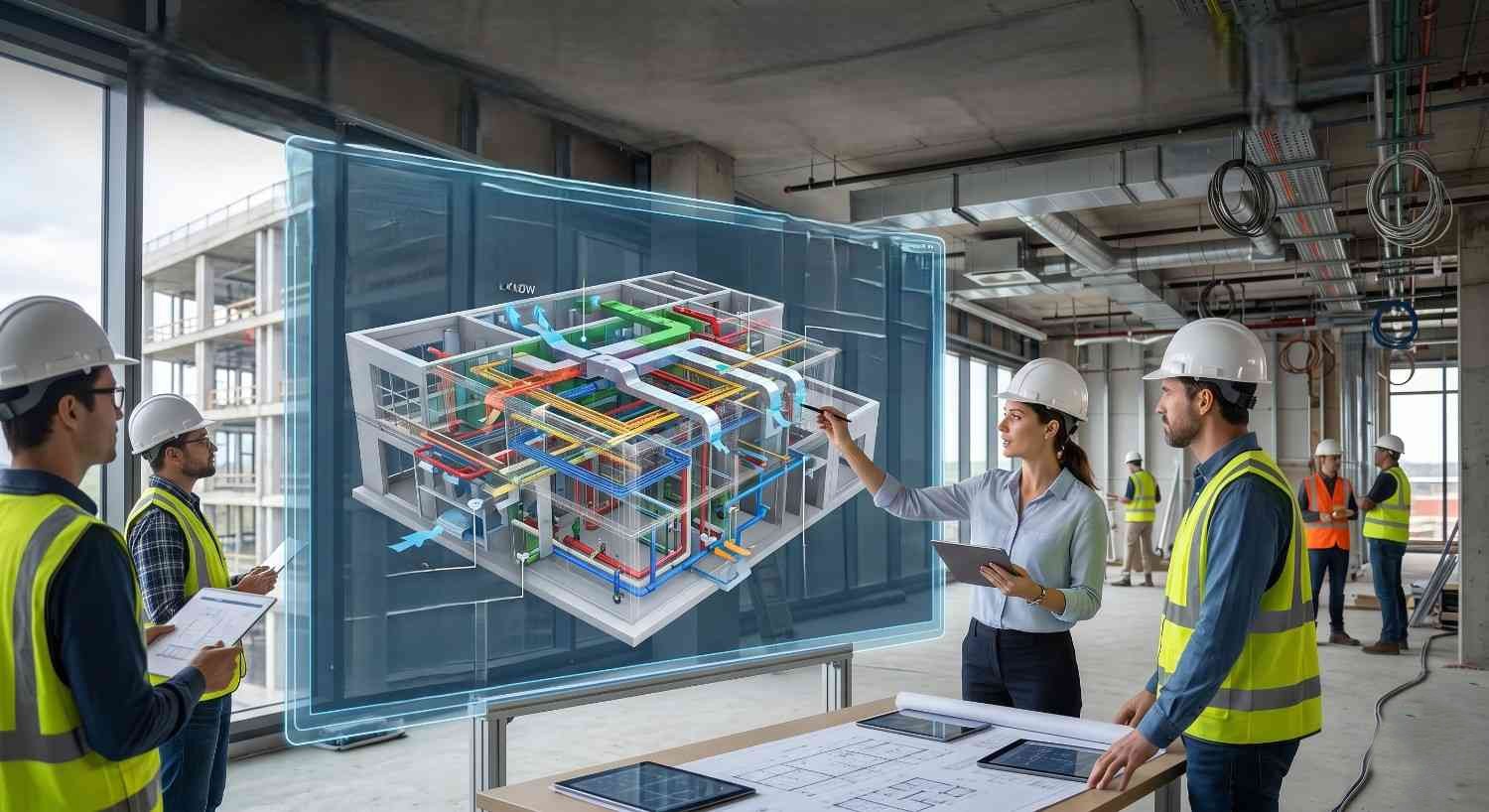
The Interoperability Crisis This financial strain is deeply compounded by the chronic issue of interoperability. A typical commercial project requires concurrent collaboration among architects, structural engineers, and MEP (Mechanical, Electrical, and Plumbing) contractors. Yet, these disciplines often operate in fragmented software ecosystems. When stakeholders attempt to share files across different proprietary platforms, data corruption, geometry loss, and critical workflow breakdowns are almost guaranteed.
Forward-thinking practices mitigate these issues by enforcing strict digital standardizations. Mandating a single software platform across the core project team is ideal. When that proves impossible across different contractor ecosystems, establishing unyielding protocols for high-fidelity file converters or open-source formats, like Industry Foundation Classes (IFC), is critical to preserving data integrity. Financially, migrating intensive rendering tasks to cloud-based environments can significantly extend the lifecycle of local workstations, optimizing IT capital expenditure.
Mastering Design Complexity and Securing Project Data
Taming Version-Control Chaos As architectural ambition scales, so does the probability of drafting errors. Intricate geometric data requires meticulous oversight. Without robust version control, a decentralized, multidisciplinary project team will inevitably generate conflicting iterations of the same drawing. If an outdated schematic slips into the construction documentation phase, contractors will execute flawed designs, leading directly to costly, time-consuming on-site rework.
Protecting Proprietary Assets and IP Additionally, CAD files represent significant intellectual property and contain highly sensitive facility management data. In an era of escalating cyber threats, proprietary project data must be secured against unauthorized access and breaches, which can carry severe legal and financial repercussions for both the design firm and the client.
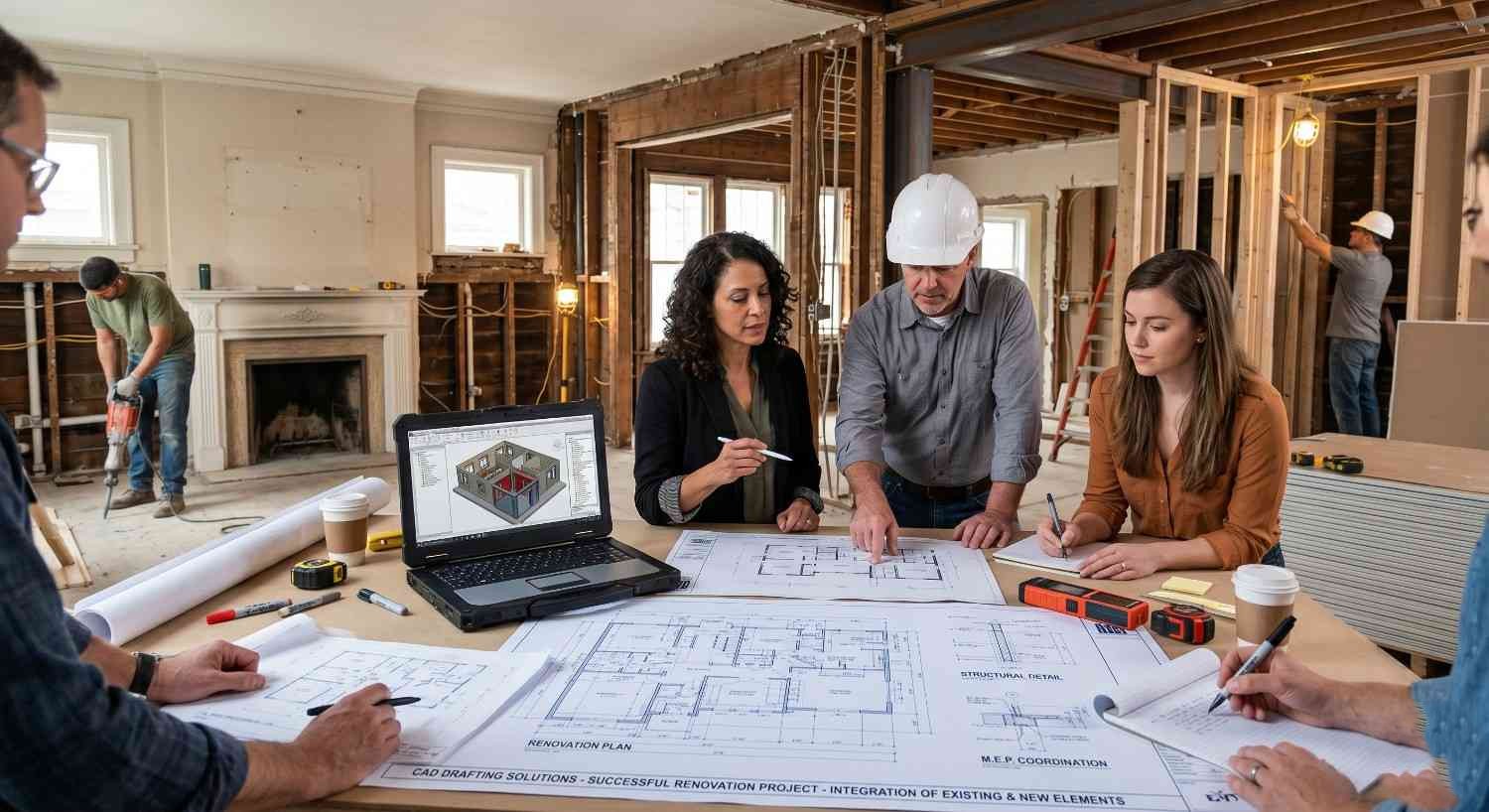
Case Study: Harmonizing CAD and BIM Tackling these data challenges requires both procedural and technological shifts. Consider the approach of leading global practices like Foster + Partners. To manage the immense complexity of their iconic structures, they successfully integrated traditional CAD workflows into a comprehensive BIM framework. By using CAD for rapid conceptual detailing and feeding that precise data into a centralized, highly secure BIM model, they established a single, uncorrupted source of truth. This transparent data management drastically reduces interdisciplinary clashes and mid-construction modifications.
Learn more- https://www.caddraftingindia.com/blog/cad-drawbacks-and-solutions-navigating-through-common-project-hurdles/




Experience gives you a massive head start in the world of business and with startups, it can actually make or break them.
This is why all startups actively look for a business consultant to weigh in on their startup business plan.
When you are choosing a firm make sure that they have ample experience in your field.
Solving problems is a massive part of running a successful startup.
Obstacles are inevitable and an entrepreneur should be geared to face them.Read More:- https://www.convrtx.com/blog/everything-you-need-to-look-for-in-a-good-business-consultant/