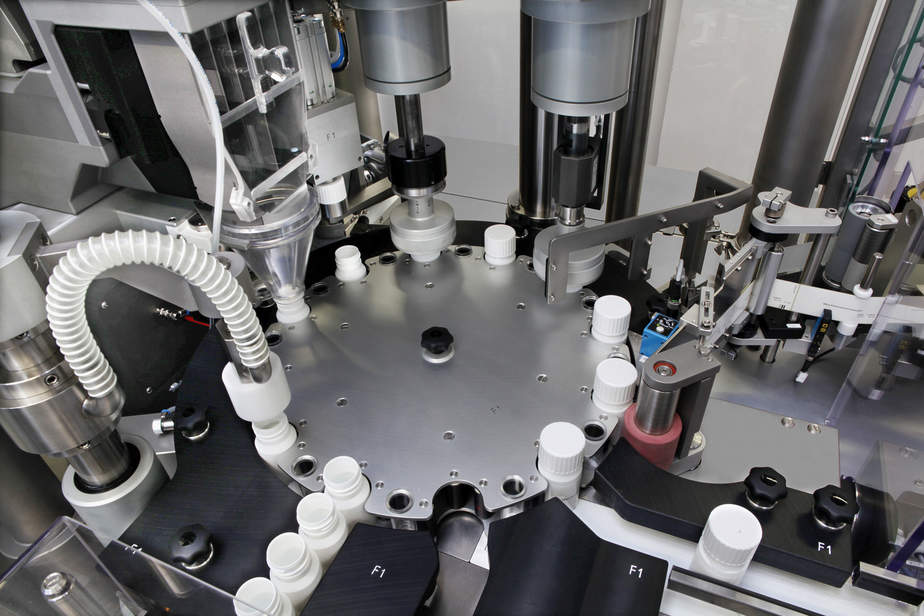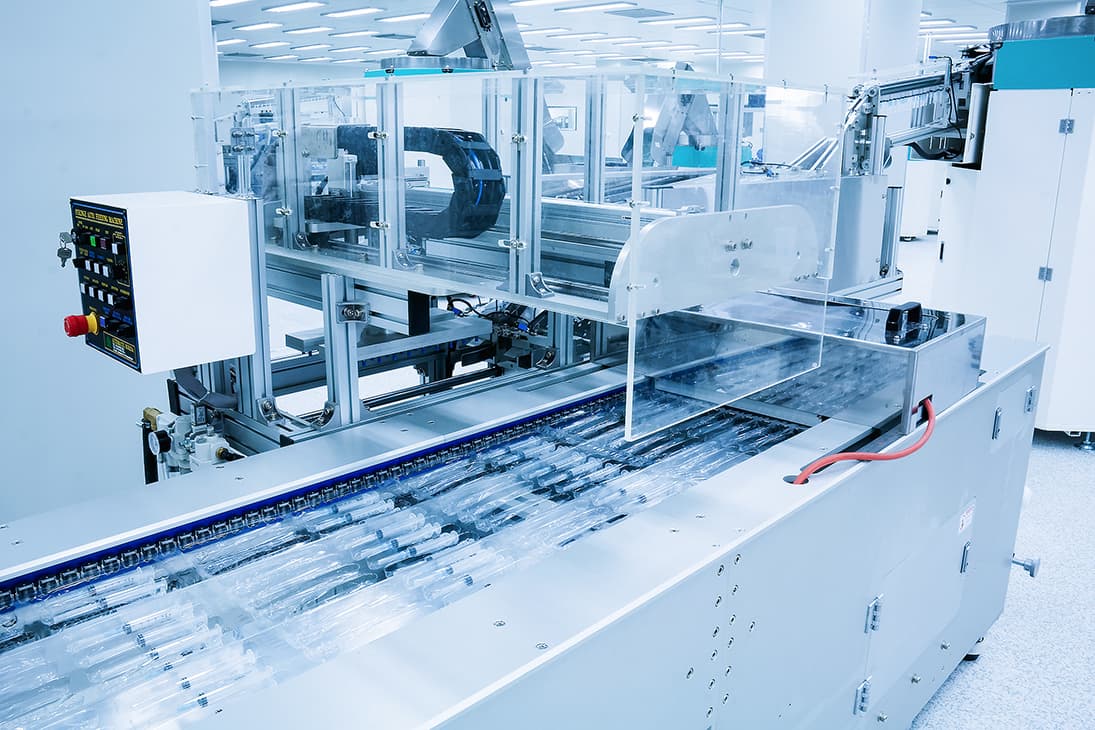


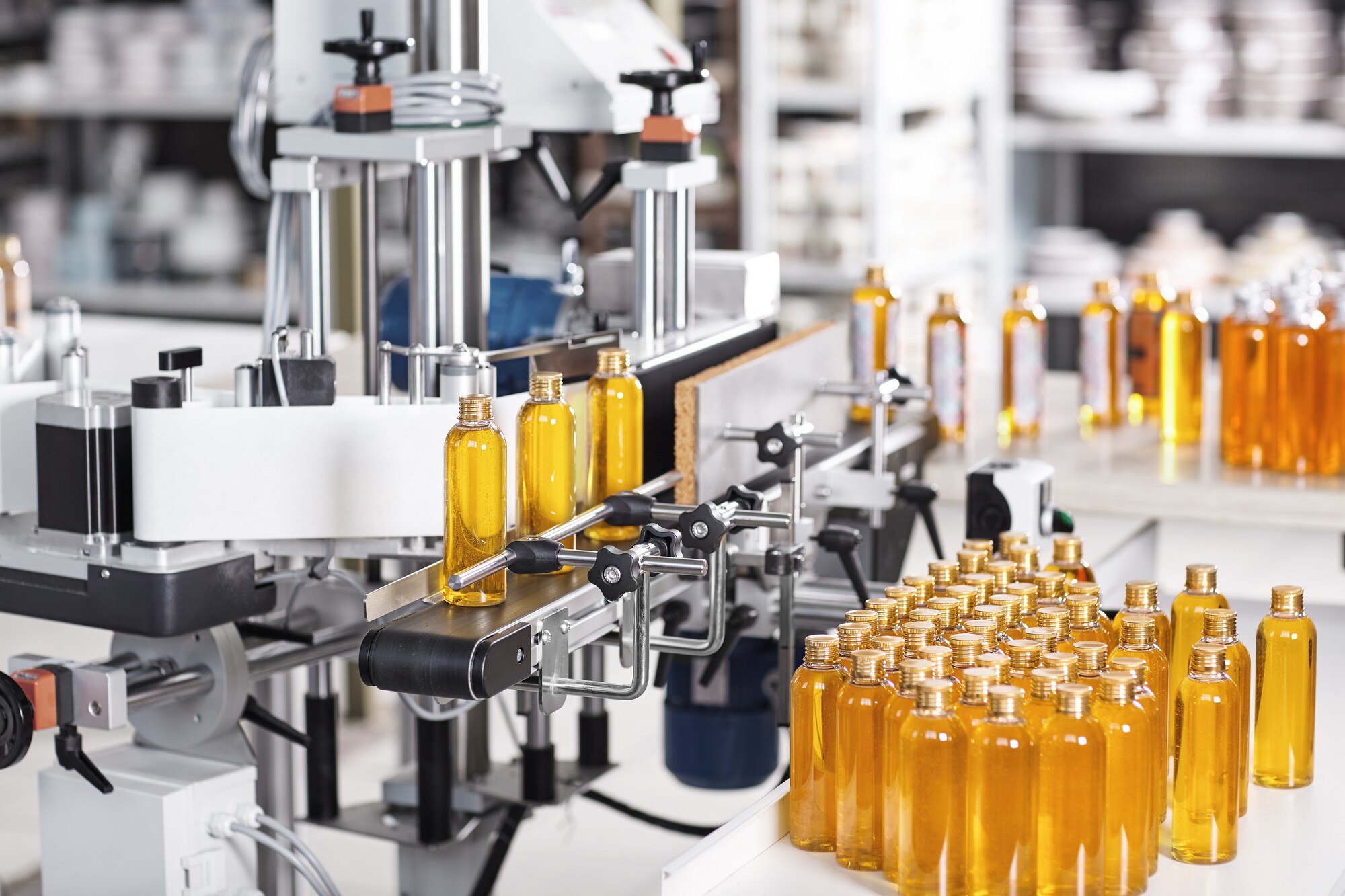
Quick Answer: Shampoo filling machinery must control viscosity, foam and stringing while delivering repeatable volume into bottles of different shapes. A complete line normally combines product feeding, multi-stage filling, drip control, cap or pump placement, tightening, labeling and inspection.
Shampoo is more demanding than its smooth appearance suggests. Its viscosity can change with formulation and temperature, surfactants can create foam, and fragrance or conditioning ingredients may affect seal compatibility. Successful packaging depends on testing the actual formula rather than sizing equipment from nominal bottle volume alone.
Why Is Shampoo Filling Different From Water Filling?
Direct Answer: Shampoo resists flow, can trap air and often leaves a product tail when the nozzle closes. These behaviors influence pump selection, fill speed, nozzle design and the time a bottle must remain under the filling head.
If the machine pushes shampoo too quickly, foam can occupy part of the bottle and create an uneven visible level. If flow stops abruptly without proper shutoff, product can drip onto the neck or conveyor. A stable process uses controlled acceleration and deceleration, a suitable nozzle diameter and enough time for the product column to break cleanly.
Core Modules in a Shampoo Packaging Line
A practical liquid filling packaging machinery for shampoo setup is built around the following stages:
• Product preparation: A holding tank maintains uniform shampoo and, where needed, uses slow agitation or level control.
• Bottle infeed: Guides keep containers stable and correctly spaced before filling.
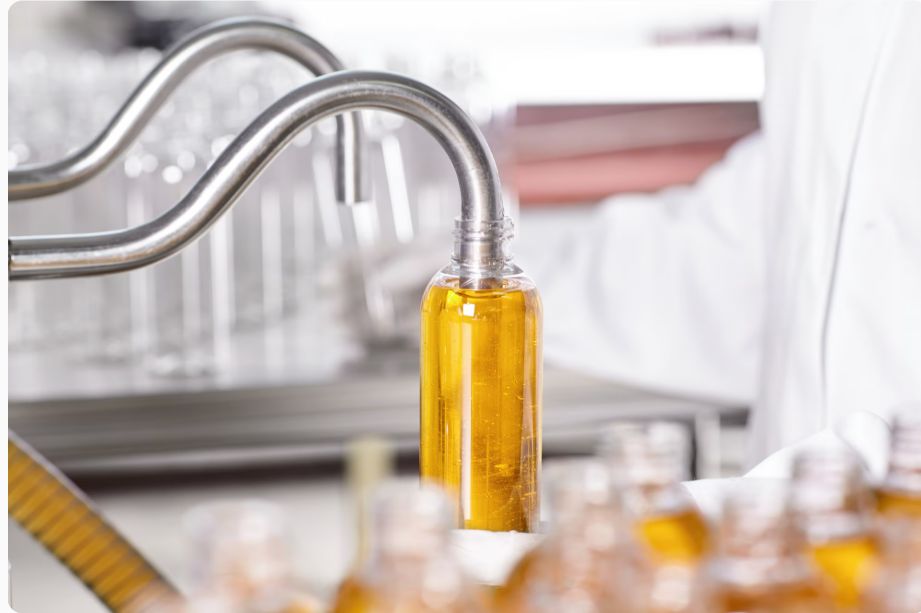
• Controlled filling: Piston, servo or pump-based dosing delivers the target amount through anti-drip nozzles.
• Closure placement: Caps, flip-tops or pump dispensers are presented in the correct orientation.
• Capping: Torque is adjusted to protect threads and seals while preventing loose closures.
• Labeling and coding: Labels and batch codes are applied after the container surface is confirmed clean.
• Inspection: Operators or sensors verify fill, closure and label quality against defined limits.
How to Choose the Filling Principle
Piston and Servo Filling
Piston systems are widely used for medium- and high-viscosity products because a defined displacement can provide repeatable dosing. Servo control adds recipe-based adjustment and can shape the fill-speed profile. This is useful when the machine must start gently, run faster through the middle of the dose and slow before shutoff.
Pump-Based Filling
Pump fillers can handle a wide range of products when pump type and speed are matched to the formula. The product path should avoid excessive shear and be easy to clean. Calibration must be checked after changes in product temperature, hose length or pump condition.
Gravity Filling
Gravity systems are generally more suitable for free-flowing products. They may work for very low-viscosity cleansing liquids, but conventional shampoo usually needs more positive product movement and better shutoff control.
Reducing Foam, Drips and Fill-Level Variation
Bottom-up filling places the nozzle near the container base and raises it as the level increases. This reduces the drop distance and can limit foam. A shut-off nozzle prevents flow after dosing, while suck-back can help manage product tails. These settings must be balanced carefully; excessive suck-back can draw air into the nozzle and create a delayed spurt on the next bottle.
Net weight should be the primary reference for accuracy. Visible level can still vary because bottle wall thickness and trapped air are not perfectly uniform. Quality checks should distinguish between true dose variation and cosmetic level variation.
Planning for Pumps, Caps and Bottle Changeovers
Shampoo brands often use several bottle sizes and closure types. A pump dispenser is taller and more difficult to feed than a simple screw cap, while an oval bottle may require orientation before labeling. Buyers should send representative samples of every container, closure and label to the equipment supplier.
• Confirm the smallest and largest bottle dimensions.
• Test standard caps, flip-tops and pump dispensers separately.
• Measure the time required to adjust guides and nozzle positions.
• Store validated recipes for each formula and bottle combination.
• Check that no product residue reaches the label area.
Commissioning and Routine Quality Checks
Commission with production shampoo at its normal operating temperature. Establish an accepted window for net weight, cap torque, leakage and external cleanliness. Samples should be taken after startup, after adjustments and at regular intervals during the run. When a trend begins to move, operators can correct it before packages fall outside the limit.
Frequently Asked Questions
Can one filler run shampoo, shower gel and liquid soap?
Often yes, because these products share similar challenges. The machine still needs compatible seals, cleanable product paths and separate validated recipes for each formula.
What causes inconsistent shampoo fill levels?
Common causes include trapped foam, changing temperature, air in the product feed, worn seals, unstable tank pressure or inconsistent bottles.
Is more nozzles always better?
No. Additional nozzles increase potential output only when the product supply, capping, labeling and conveyor system can support that speed.
Conclusion
A shampoo line performs well when it treats product behavior, container handling and closure quality as one process. Aile offers filling-series equipment for shampoo, shower gel, liquid soap and other products with different viscosities. The final configuration should be proven through product trials, measurable acceptance criteria and operator training based on the factory's actual SKUs.


Quick Answer: A bottle filling machine for daily chemical products must match the liquid's viscosity and chemical properties while handling the factory's bottles, pumps, triggers and caps. A comple