





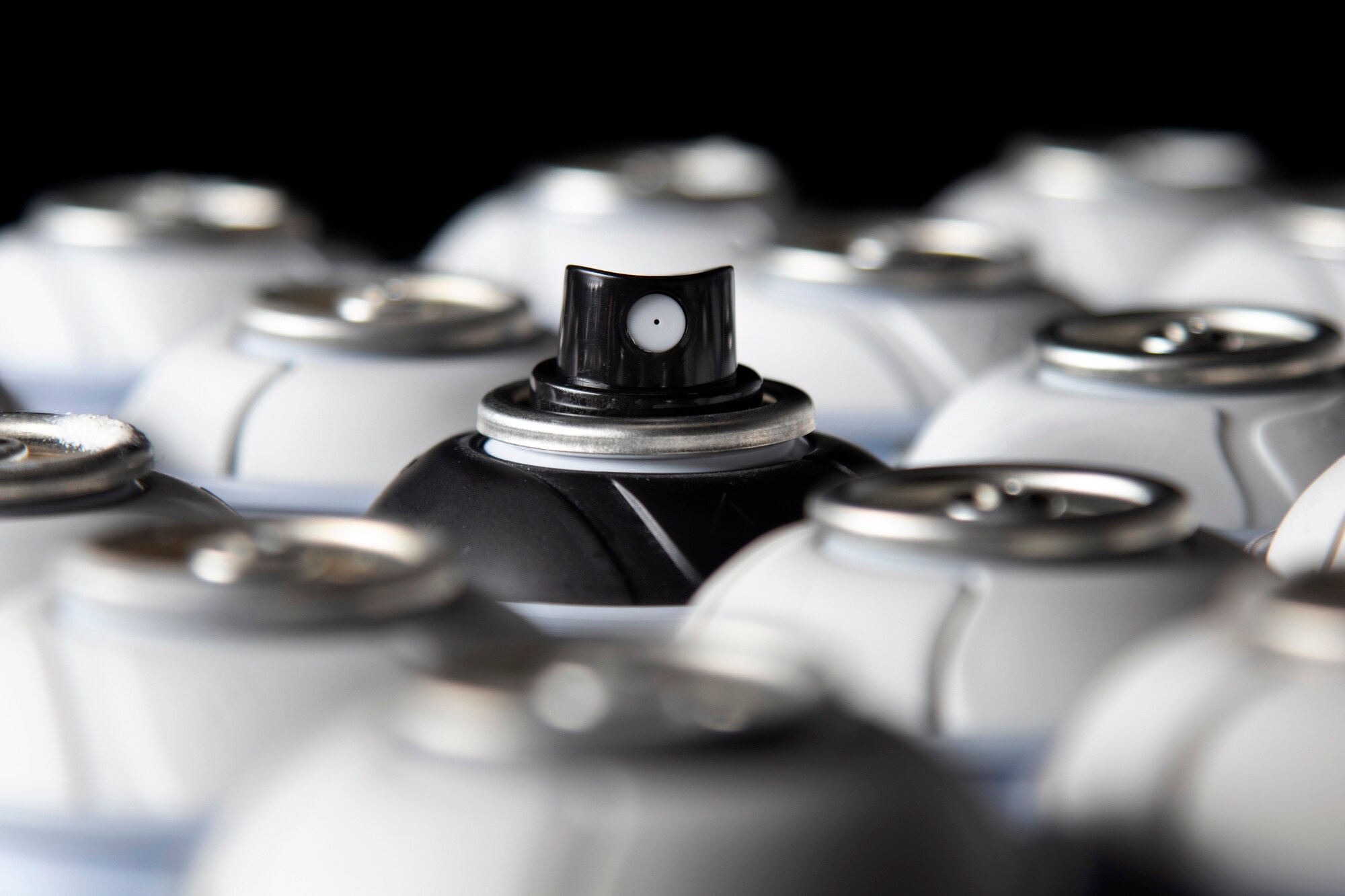
Quick Answer: An automatic aerosol production line feeds empty cans, fills the liquid concentrate, places and crimps the valve, adds propellant, verifies weight or leakage, and fits the actuator and cap. The stations must work as one safety-controlled system because every finished can depends on correct dosing, valve sealing and pressure containment.
Aerosol packaging is different from ordinary bottle filling. The package becomes a pressurized system, so mechanical accuracy and process control are closely connected. A high-output line must not only run quickly; it must also detect missing components, control the crimp and separate nonconforming cans before they reach packing.
What Are the Main Components of an Aerosol Line?
Direct Answer: The main workflow is can feeding, liquid filling, valve placement, crimping, propellant filling, checking, actuator placement and capping. Depending on the product, the line may also include can cleaning, coding, warm-water leak testing, checkweighing and cartoning.
1. Empty-Can Feeding and Inspection
Cans enter the conveyor in a stable orientation. Guides and sensors maintain spacing and prevent a station from cycling when no can is present. Empty containers should be checked for visible damage because dents around the valve area can affect later sealing.
2. Liquid Concentrate Filling
The product concentrate is dosed before the package is pressurized. The filling system is selected according to product viscosity, solvent compatibility and required accuracy. Nozzles should avoid contaminating the valve-cup sealing area.
3. Valve Placement and Crimping
A valve feeder presents the valve in the correct orientation. The crimping head then forms the valve cup onto the can opening. Crimp diameter and depth are critical process settings and should be measured with suitable gauges during setup and routine production.
4. Propellant Filling
Propellant is introduced through the chosen filling method after the valve is secured. Equipment and room design must match the propellant's hazards, and the project should follow the factory's applicable fire, ventilation and electrical safety requirements.
5. Checking and Leak Control
Checkweighing can identify cans outside the expected total weight range. Leak-detection methods provide another control on package integrity. The inspection plan should define what is checked, how often instruments are verified and how rejected cans are handled safely.
6. Actuator and Cap Placement
After the pressurized package passes the required checks, the actuator and protective cap are placed. Correct actuator fit and spray performance can be sampled as part of finished-product testing.
How Does Automation Improve the Workflow?
An automatic aerosol production line coordinates each station through sensors, conveyor logic and recipe settings. If the valve feeder pauses, upstream cans should not continue accumulating without control. If a can is missing, the corresponding filling or crimping action should be inhibited.
Automation also improves traceability. Batch counters, alarm histories and stored recipes help operators identify when settings changed and where interruptions occurred. These records support maintenance and troubleshooting, but they do not replace physical quality checks.
Key Selection Criteria
Product family: Paint, air freshener, cleaner, hair spray and lubricant have different materials and filling needs.
Can and valve formats: Confirm dimensions, valve type, actuator and cap for every planned SKU.
Normal output: Size the line for sustained production, including checks and changeovers.
Propellant system: Match filling equipment and safety controls to the selected propellant.
Inspection strategy: Define weight, crimp and leak checks before the line is designed.
Changeover: Demonstrate adjustment between the smallest and largest package formats.
Maintenance access: Operators must be able to clean, inspect and service guarded stations safely.
Commissioning an Aerosol Production Line
Commissioning should progress from dry mechanical cycles to controlled product trials. Verify sensors, interlocks, emergency stops and rejection logic before sustained production. Establish accepted settings for liquid dose, propellant dose, crimp dimensions, conveyor speed and closure placement.
During the production trial, sample cans across the run rather than only at startup. Record weight, crimp measurements, leakage results and spray performance. The accepted recipe should include the package components and product version so operators do not apply one setup to an unsuitable combination.
Maintenance Priorities
Valve feeders, crimping tooling, filling seals and sensors deserve routine attention. Wear may appear first as intermittent faults rather than a complete stop. Trend crimp measurements, reject rates and fill-weight results so maintenance can respond before package quality falls outside the defined limit.
Frequently Asked Questions
Is a checkweigher enough to confirm aerosol quality?
No. Weight confirms the combined package contents are within a defined range, but it does not by itself prove valve sealing, crimp geometry or spray performance.
Can one line make several aerosol products?
Yes, when product-contact materials, filling technology, safety controls and change parts cover the required formulas and packages. Cleaning and validated recipes remain essential.
What usually limits line speed?
The limiting station depends on the product and package. Valve feeding, crimping, propellant filling, inspection or cap placement can become the bottleneck, so capacity must be evaluated as a complete system.
Conclusion
An aerosol line is a chain of dependent controls: feeder, filler, valve placer, crimper, propellant station, tester and capper. Aile supplies aerosol equipment and complete-line solutions for products such as paint, air freshener, cleaner, hair spray and lubricant. The right project combines suitable equipment with documented safety review, measurable package checks and commissioning based on the buyer's real can, valve, formula and propellant system.
automatic aerosol production line



Quick Answer: Shampoo filling machinery must control viscosity, foam and stringing while delivering repeatable volume into bottles of different shapes. A complete line normally combines product fee