

Quick Answer: A liquid soap filling line connects product holding, controlled dosing, bottle handling, cap placement, labeling and inspection. The setup must manage foam and changing viscosity while keeping the product path clean, the bottle neck dry and the output of every station balanced.
Liquid soap is commonly packaged on automated lines, but the formula can still create difficult operating conditions. Surfactants generate foam, fragrance can remain in hoses during changeover, and viscosity may shift with temperature or concentration. A reliable project begins upstream of the filler and continues through the final inspection point.
Start With Product and Package Data
Direct Answer: Before selecting equipment, document viscosity across the normal temperature range, foam tendency, target fill volume, bottle dimensions, closure type and daily output. Representative product and package samples should be used for trials.
Factories should also list every planned SKU. A 250 ml round bottle with a screw cap behaves differently from a 1 liter handled container with a pump. The line must accommodate both the product and the physical package.
Core Stages of a Liquid Soap Production Line
A practical liquid soap filling machine production line usually contains these functions:
Holding and product feed: Maintains a uniform supply to the filler without drawing air.
Container infeed: Presents clean, stable bottles at consistent spacing.
Filling: Doses product using a piston, pump or other system suited to the viscosity.
Cap or pump placement: Inserts and aligns the selected closure.
Capping: Tightens the closure to the validated torque range.
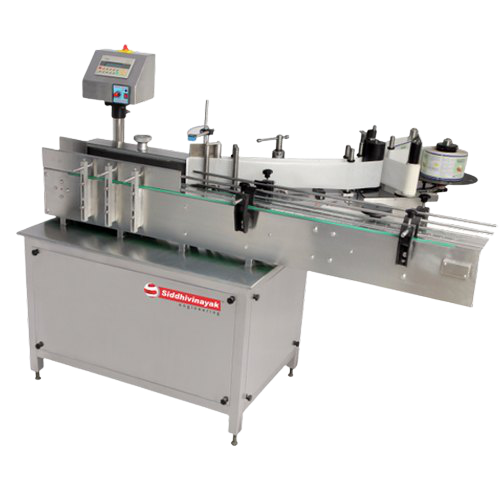
Labeling and coding: Applies labels and traceability information to a clean surface.
Inspection and discharge: Removes defined defects and transfers accepted packs to secondary packaging.
How to Control Foam During Filling
Foam forms when air is mixed into the soap. Excessive pump speed, a high drop into the bottle or a partially starved product feed can all increase aeration. The machine should move product smoothly and allow the nozzle to start near the bottom of the container where practical.
Use a Staged Fill Profile
Beginning slowly, increasing speed through the middle of the dose and slowing before shutoff can reduce turbulence without sacrificing the entire cycle. Servo-controlled systems make this profile easier to store and repeat.
Maintain a Stable Product Supply
Level control in the hopper or balance tank helps prevent the feed from pulling air. Pipe joints should be tight, and the transfer pump should be sized so it does not repeatedly start and stop at extreme speed.
Measure Net Weight
Foam changes the visible level, so appearance alone is not a reliable measure of dose. Weighing filled bottles after a defined settling period separates true dose variation from temporary foam.
Selecting the Filling System
Piston fillers provide defined displacement and suit many medium-viscosity soaps. Pump fillers offer flexibility across recipes when the pump and controls match the product. Very thin soap products may use other dosing methods. Trials should compare stable accuracy, cleaning time and drip control rather than focusing only on speed.
Nozzles should close cleanly and remain centered over the bottle. If product reaches the neck or threads, it can interfere with cap sealing and soil the label area. Bottom-up motion or suck-back may help, but the final setting must not introduce air into the next fill.
Balance the Filler, Capper and Labeler
A line's rated capacity is only useful when every module can sustain it with the selected bottle and cap. Pump closures may be slower to feed than screw caps. Large handled bottles may need wider conveyor spacing. The line layout should allow small buffers for normal variation without creating excessive pressure between bottles.
Calculate output from required saleable units per shift, then include time for changeovers, cleaning, replenishment and quality sampling. This produces a more realistic target than dividing annual demand by theoretical machine speed.
Cleaning and Fragrance Changeover
Liquid soap residue can remain in dead legs, valve cavities and hose bends. Strong fragrances may carry over even when visible residue is gone. Product-contact paths should drain well and be accessible for inspection. Cleaning endpoints may include visual checks, rinse-water criteria or a factory-specific residue test.
Create a documented drain, rinse, wash and final-rinse sequence.
Identify seals and hoses that need routine replacement.
Store removed change parts in labeled, protected locations.
Verify the first acceptable units after every formula change.
Frequently Asked Questions
Can the same line fill detergent and sanitizer gel?
Possibly, if the viscosity range, material compatibility and cleaning process support both. Product trials and separate recipes are required.
What causes liquid soap to drip after filling?
Common causes include unsuitable nozzle design, slow valve closure, excessive product pressure or a product tail that needs suck-back or a different shutoff method.
Where should quality checks be placed?
Check weight after filling, closure condition after capping, and label and code quality before finished packs leave the line.
Conclusion
A dependable liquid soap line controls foam, product supply and container handling from start to finish. Aile offers filling-series equipment for liquid soap, detergent, shampoo, sanitizer gel and related products. The most effective setup is the one proven with the factory's real formulas and packages, balanced at normal operating speed and supported by repeatable cleaning and changeover procedures.