

Quick Answer: A bottle filling machine for daily chemical products must match the liquid's viscosity and chemical properties while handling the factory's bottles, pumps, triggers and caps. A complete line should provide controlled dosing, clean closures, fast changeover and product-contact materials that tolerate both the formula and the cleaning process.
“Daily chemical products” covers a wide range: detergent, liquid soap, sanitizer gel, household cleaner, shampoo, conditioner and many other formulations. Their packaging may look similar, yet the products can differ greatly in foam, corrosion risk and flow behavior. Equipment should therefore be selected by product family rather than by bottle size alone.
What Does a Daily Chemical Filling Line Include?
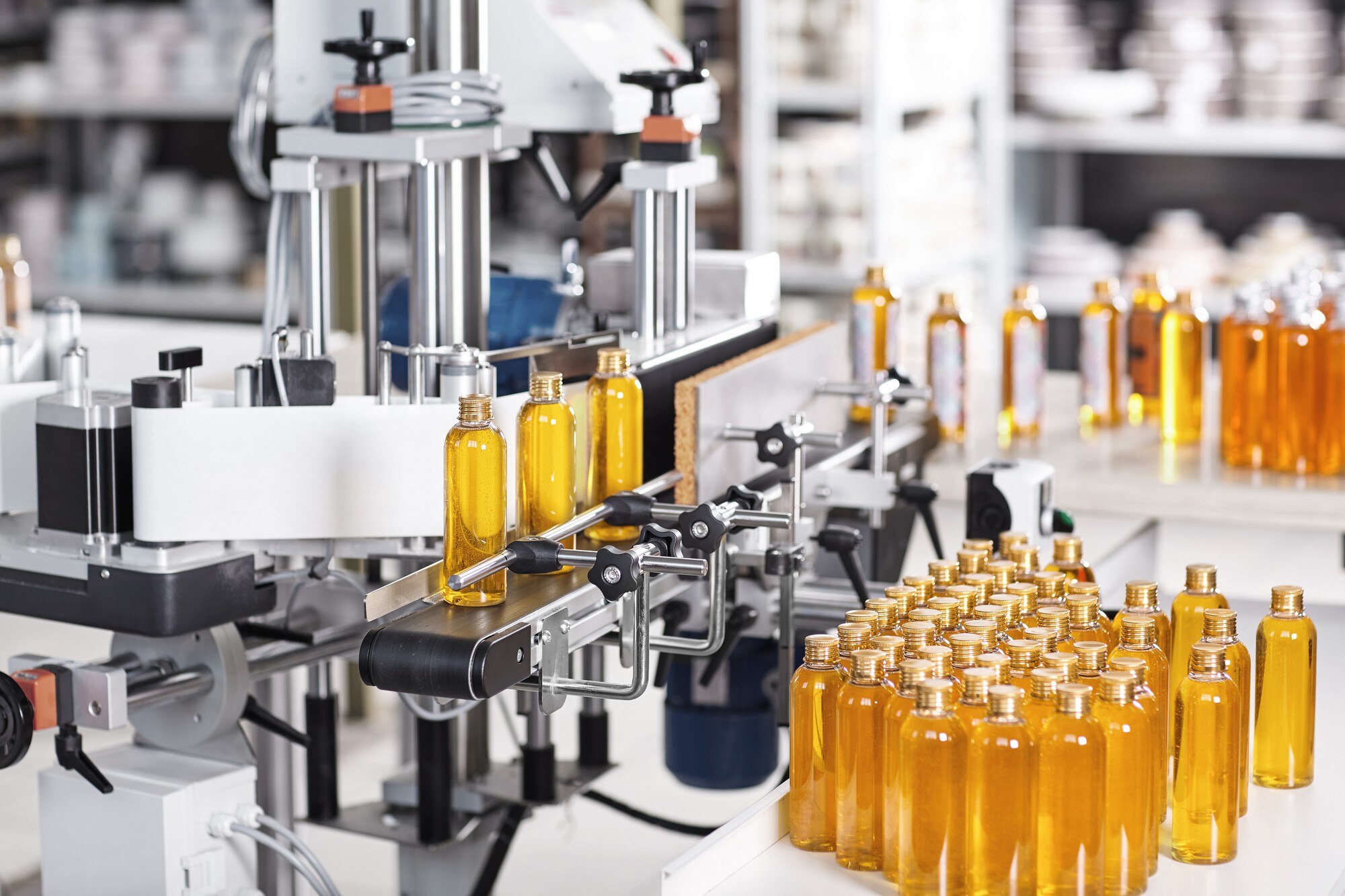
Direct Answer: A typical line feeds and cleans empty bottles, fills the measured product, places an inner plug or closure, tightens the cap, applies labels and batch codes, and inspects the finished pack. Conveyors coordinate these stages and provide controlled accumulation.
• Bottle infeed: Unscrambles or manually receives containers and spaces them for filling.
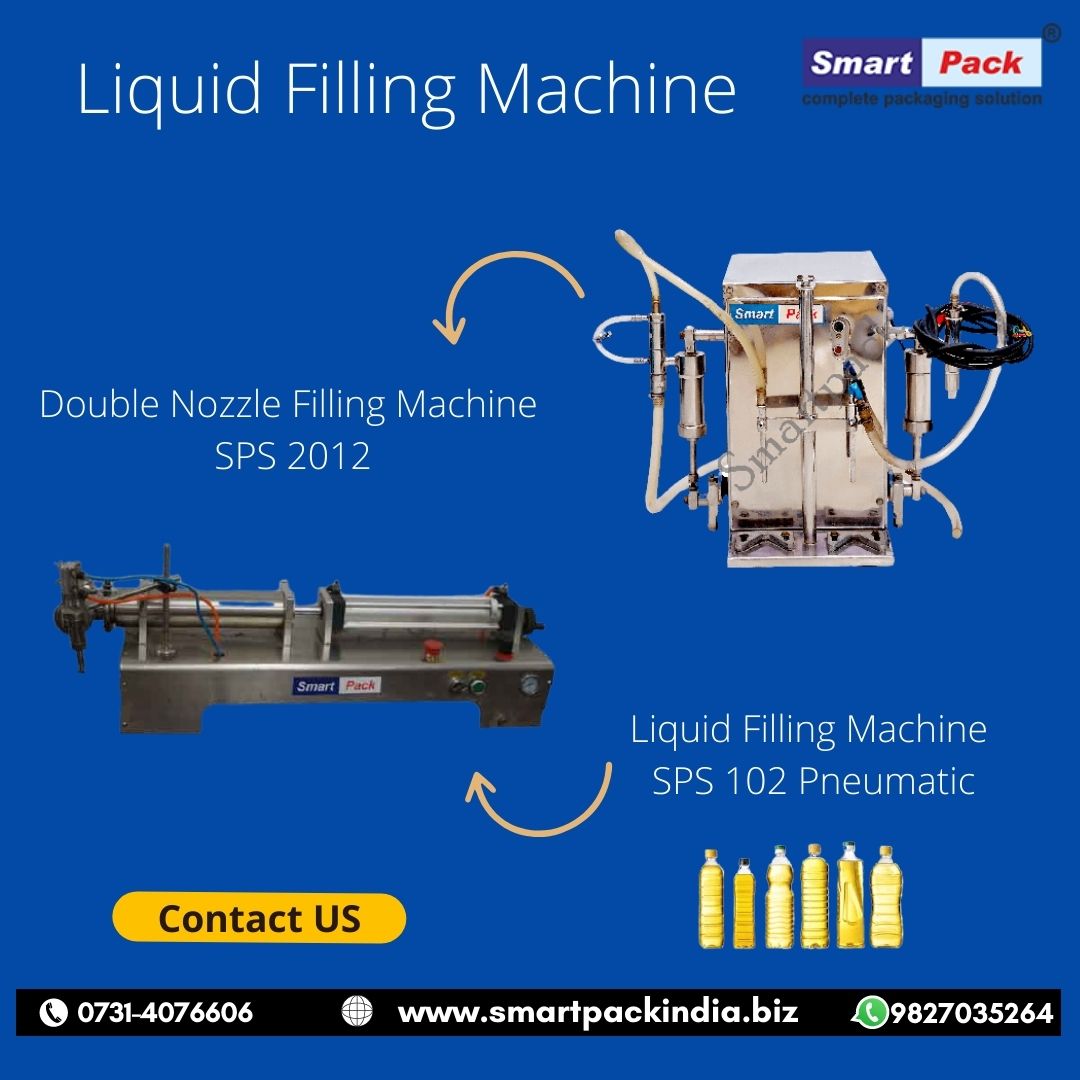
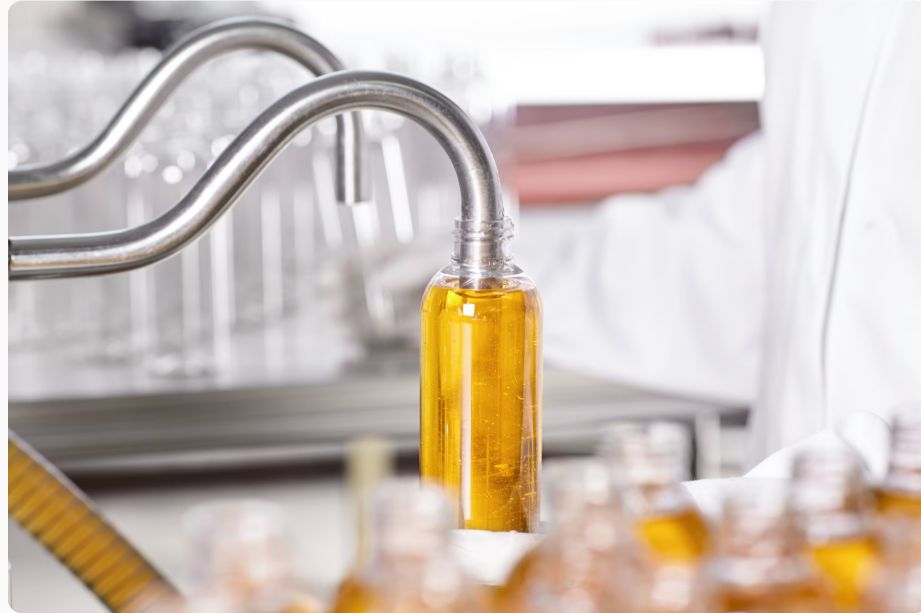
• Filling: Uses gravity, piston, pump or flow-meter dosing according to the product.
• Closure feeding: Orients screw caps, flip-tops, pumps or trigger sprayers.
• Capping: Applies stable torque without damaging threads or decorative surfaces.
• Labeling and coding: Places product labels and readable batch information.
• Inspection: Checks defined faults such as low fill, missing closure or poor label position.
Matching the Filler to the Product
A bottle filling machine for daily chemical products should be tested with every major formula group. Thin household cleaners may fill rapidly but require chemical-resistant seals. Detergent and liquid soap may foam. Lotion and gel need positive product movement and stronger drip control.
Thin, Free-Flowing Liquids
Gravity or flow-based systems can be efficient when the liquid flows consistently and does not attack standard product-contact parts. Valve response and nozzle shutoff still matter, especially with small neck openings.
Foaming Products
Detergent, hand soap and shampoo can produce foam when dropped into an empty bottle. Bottom-up filling, larger nozzles at lower velocity and staged speed control reduce turbulence. Accuracy should be checked by weight after foam has settled.
Viscous Products
Piston or pump systems move lotions, gels and concentrates more reliably than gravity alone. Product temperature and hose length should be included in the trial because they influence pressure and filling time.
Corrosive Formulas
Acidic, alkaline or solvent-containing cleaners may require special pumps, valves, hoses, seals and enclosures. Compatibility must be confirmed for the formula and for any concentrated cleaning agent used during sanitation.
Bottle and Closure Handling
Daily chemical brands frequently use tall bottles, handles, offset necks and several closure styles. Triggers and pumps have dip tubes that are harder to orient than simple caps. The line supplier should receive actual package samples and confirm how each one will be guided, placed and tightened.
• Check bottle stability on straight sections and transfers.
• Confirm neck centering under every filling nozzle.
• Test cap torque with the final cap and liner.
• Verify that dip tubes enter without bending or catching.
• Keep product away from the bottle area used for labeling.
Planning Capacity and Changeovers
Required speed should be calculated from saleable daily output, not from the filler's theoretical cycle rate. Include breaks, cleaning, product changeover, cap replenishment and planned quality checks. The capper or labeler may become the bottleneck on certain SKUs.
For a mixed-product factory, changeover time is a major capacity factor. Adjustable guides, tool-free parts and stored recipes make repeated setups more reliable. Parts dedicated to corrosive or strongly fragranced products should be clearly marked to prevent mix-ups.
Quality Checks That Protect Output
A simple control plan can prevent long runs of defective packs. Monitor net weight, bottle cleanliness, cap torque, leakage and label position at defined intervals. Trend the results instead of recording only pass or fail. A gradual change in weight or torque often shows wear before the line stops.
Frequently Asked Questions
Can one line fill detergent, shampoo and sanitizer gel?
Often yes, provided the product-contact parts and dosing range are suitable and the cleaning process prevents cross-contamination. Each formula requires validated settings.
How are trigger sprayers handled?
They may be placed manually at lower speeds or fed by specialized closure-handling equipment. Dip-tube length, shape and orientation affect the solution.
What is the most important compatibility check?
Review every wetted material, including seals and hoses, against the product and cleaning chemicals. Small elastomer parts are often the first point of failure.
Conclusion
Daily chemical packaging succeeds when dosing, material compatibility and package handling are designed together. Aile supplies filling-series machines for products including detergent, shampoo, liquid soap, sanitizer gel, cream and lotion. A production-ready line should be proven with real formulas and packages, then supported by repeatable recipes, cleaning instructions and quality checks.
Quick Answer: Shampoo filling machinery must control viscosity, foam and stringing while delivering repeatable volume into bottles of different shapes. A complete line normally combines product fee