





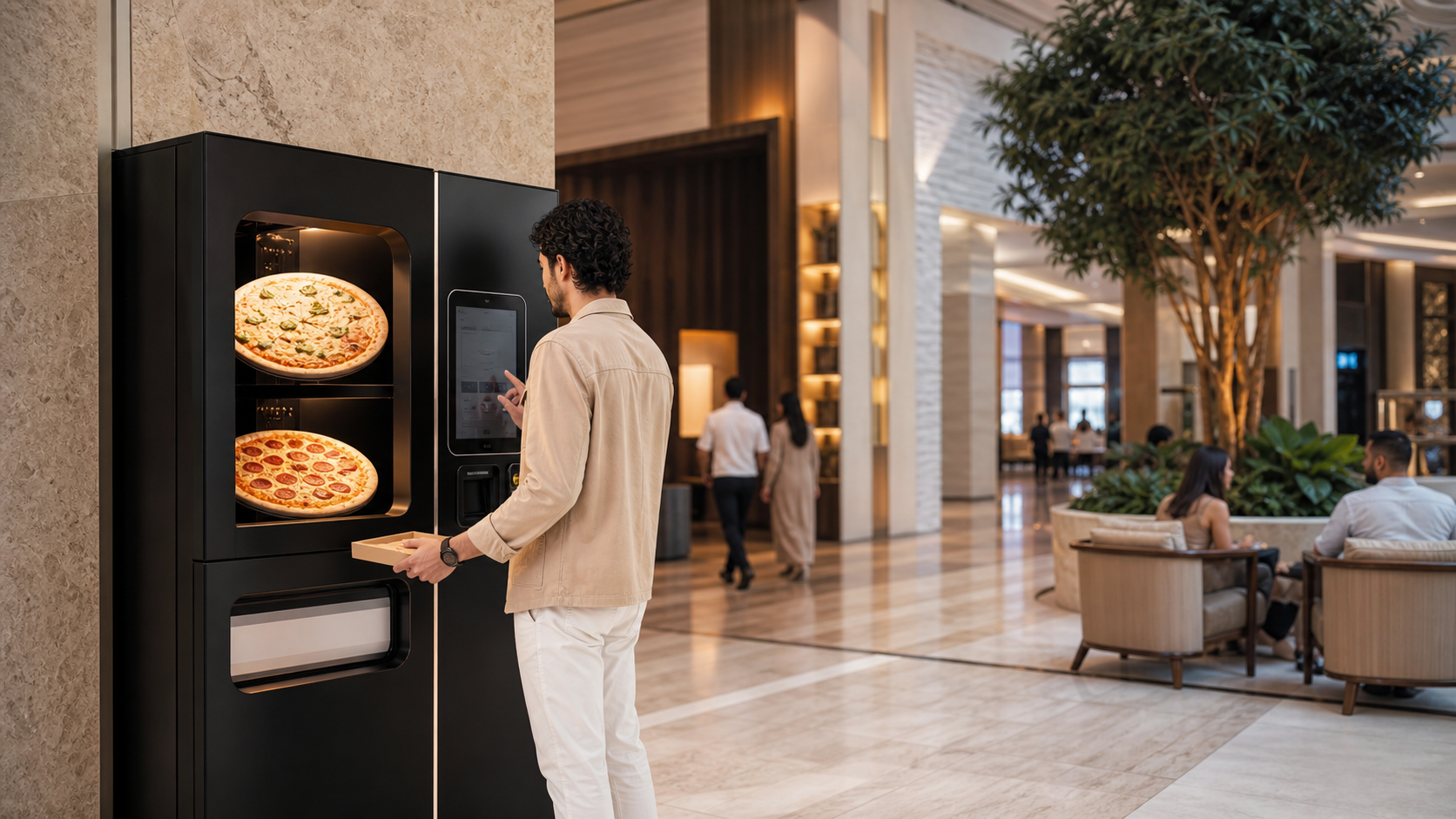
Hotels, malls, and mixed-use developments may all have late-hour food demand, but they are not interchangeable pizza-vending sites. A hotel prioritizes guest experience and quiet service. A mall prioritizes traffic, concession economics, and operating coordination. A mixed-use property must serve residents, visitors, and workers across different dayparts.
Operators should therefore evaluate a pizza vending machine portfolio against a venue matrix rather than choosing one configuration for every property.
Build a Venue Matrix Before Comparing Models
Score each candidate location on six dimensions: demand window, customer profile, environment, utilities, service access, and commercial model.
Hotels and branded residences
The value proposition is reliable food access when kitchens or room service are limited. Placement should be convenient without creating noise, heat, odor, queues, or visual conflict with premium interiors. Guest-support instructions and payment should work for international visitors.
Malls and entertainment destinations
Traffic can be high, but service agreements, food-court rules, landlord approval, waste, fire review, and revenue share may materially affect the economics. The machine must be replenished without disrupting customers or neighboring tenants.
Mixed-use communities
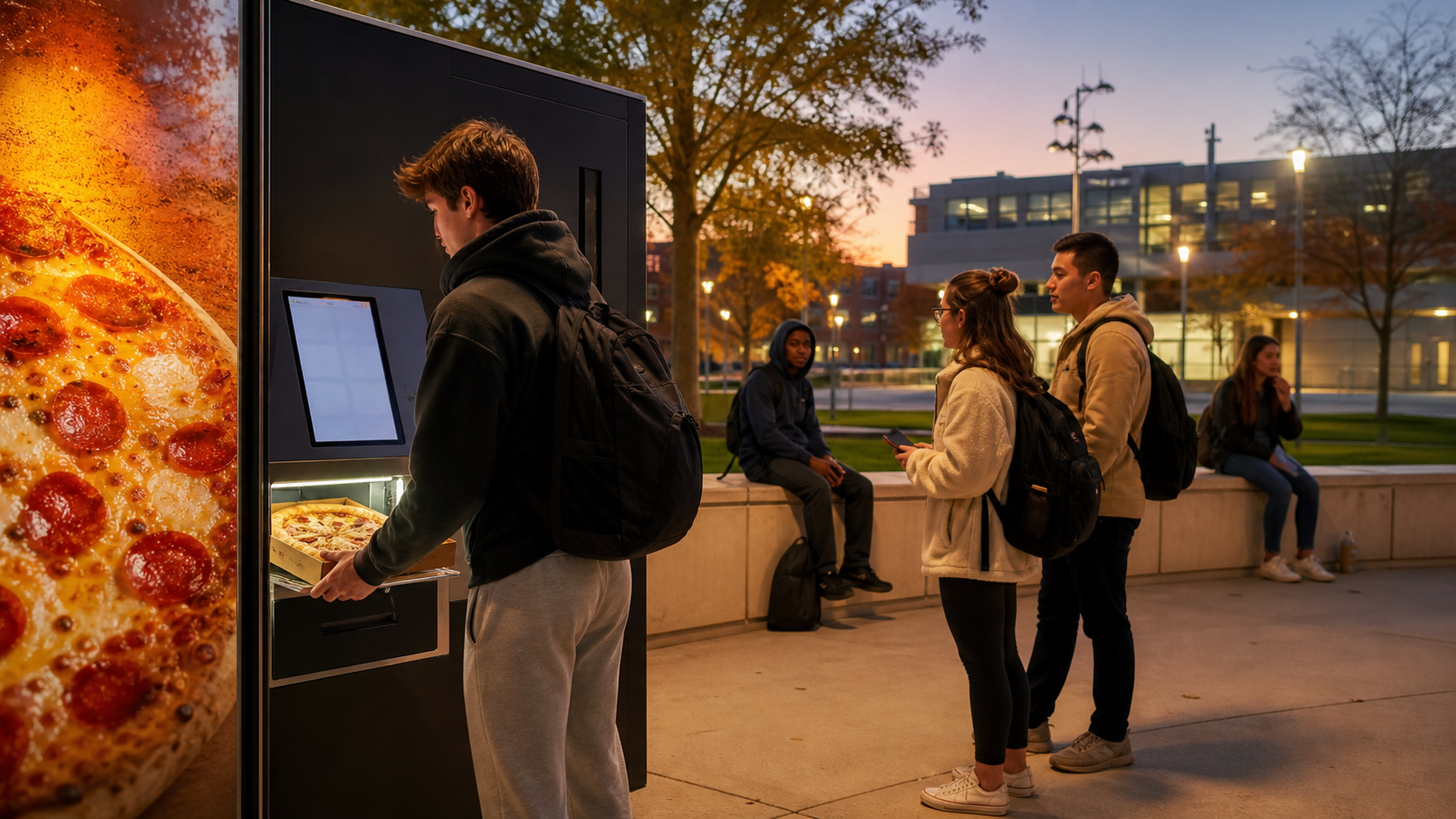
Demand may come from residents at night, office workers at lunch, and visitors on weekends. Use access-control and opening-hour data to decide whether the machine belongs in a publicly accessible retail zone or a resident amenity area.
Match the Machine to the Exact Environment
High regional temperatures make location definition essential. Record the maximum temperature and humidity at the installation point, sun exposure, dust, nearby doors, ventilation, and cleaning conditions. Confirm whether the proposed model is intended for indoor, sheltered, or another specified environment.
The site survey should also cover electrical load, heat rejection, fire-safety coordination, cellular and Wi-Fi coverage, delivery route, floor protection, service clearances, and waste removal. A visually attractive location can become unserviceable if technicians cannot open panels or move stock safely.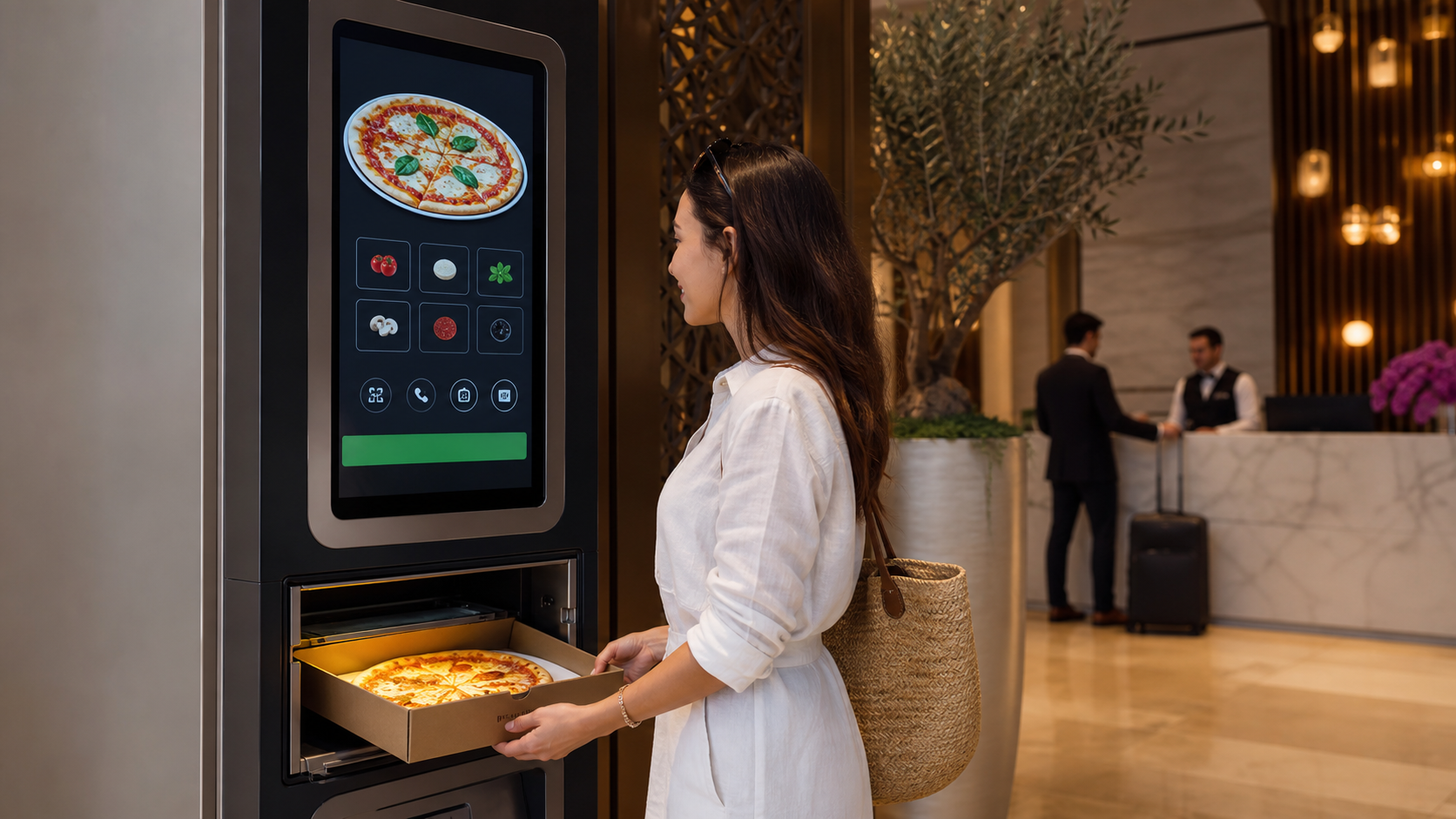
Localize the Menu and Customer Information
Menu design should reflect the venue rather than assumptions about an entire region. Hotels may need a concise premium assortment. Family destinations may need clear size and ingredient choices. Residential sites may reward familiar products and repeat-purchase bundles.
Test the complete transaction in the required languages. Product name, ingredients, allergens, price, cooking status, collection prompt, error message, and refund route should be understandable. If the machine supports remote menu changes, assign approval for translations and food information before deployment.
Define Hot-Food Controls and Responsibilities
The operating entity remains responsible for a controlled food process. Confirm local authority requirements for receiving, storage, loading, cooking, cleaning, allergen communication, pest control, waste, and records.
Create a responsibility map:
• Food team: approved products, temperature records, rotation, and cleaning.
• Venue operations: access, surrounding condition, waste, and customer escalation.
• Engineering: utilities, ventilation, and first-line technical checks.
• Payment provider: terminal and settlement support.
• Equipment supplier or service partner: advanced diagnostics, repair, and parts.
This map is especially important in hotels and managed properties where several departments could otherwise assume another team owns the machine.
Test Payments and International Guest Use
Confirm locally common cards and wallets, contactless performance, currency display, receipt options, refund handling, and offline behavior. Hotels may need a payment journey that works for foreign-issued cards; residential sites may consider loyalty or access-system integration.
Do not promise room charging, tenant billing, or loyalty integration until the exact interface, data responsibility, and failure behavior have been tested.
Model Economics With Service Reality
Compare venues using contribution after food cost, payment fees, waste, refill labor, cleaning, rent or revenue share, maintenance, and expected downtime. Include transport time for staff and service partners—two high-volume machines far apart may cost more to support than a compact cluster.
Use three scenarios:
1. Base case with normal demand and service cost.
2. Downside case with slower adoption and higher waste.
3. Peak case testing stock capacity and refill frequency.
A site should not be approved if it only works in the peak case.
Pilot One Venue Archetype at a Time
Begin with the archetype the operator can support best. Run the pilot through normal and peak periods, then measure product availability, wait time, cooking consistency, cleaning completion, waste, refunds, response time, and customer feedback.
Do not treat a successful hotel pilot as proof that a mall concession will work. The customer, commercial agreement, traffic pattern, and operating interfaces are different.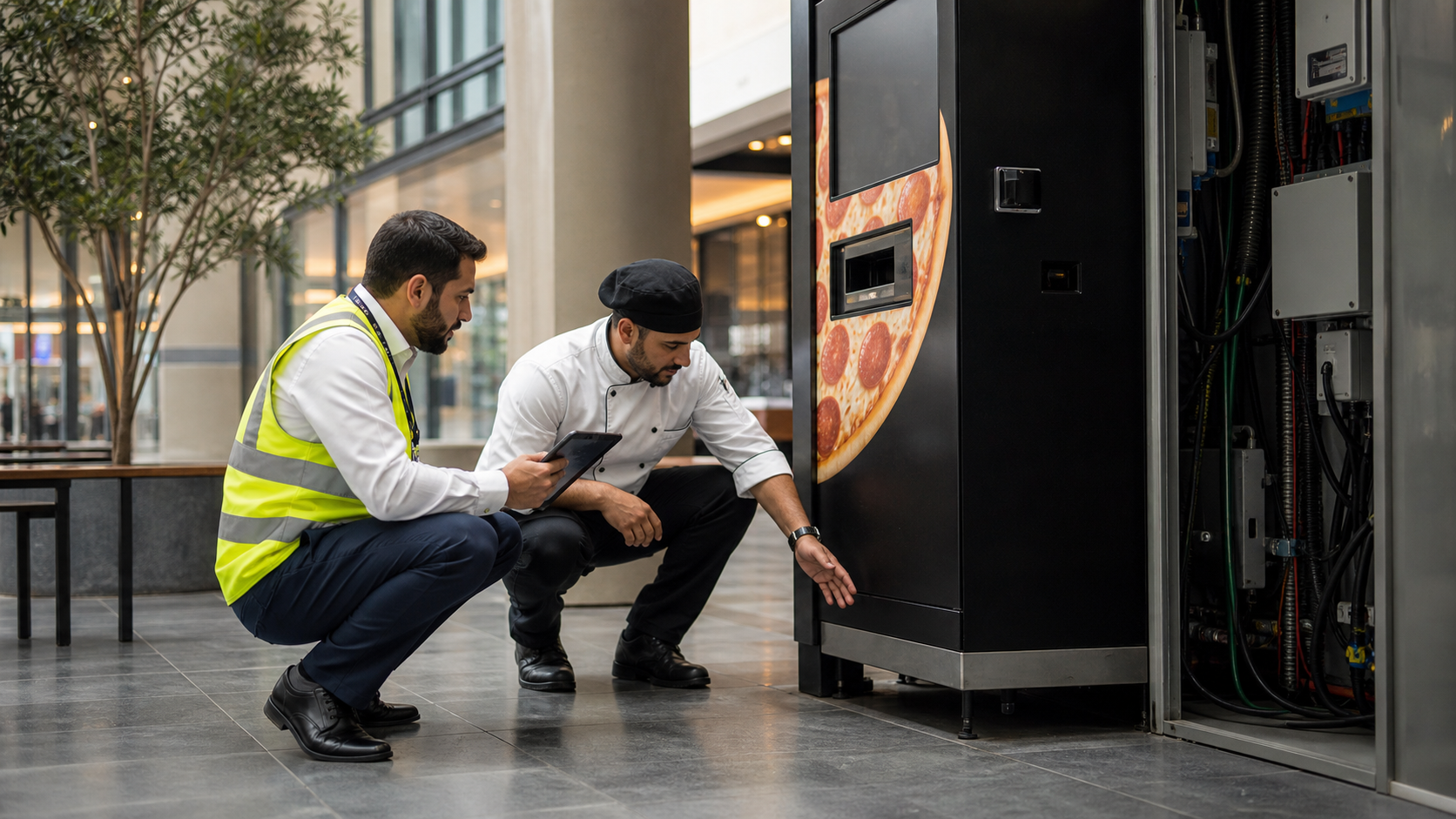
Frequently Asked Questions
Which venue type is usually the easiest first pilot?
The best pilot is a controlled indoor location with a clear late-hour demand gap, straightforward utilities, easy staff access, and a named food-service owner—not necessarily the busiest site.
Does multilingual support require a complex interface?
No. A concise menu with correctly tested translations is often better than many screens and options. Every error and support message should be localized too.
How should outdoor interest be handled?
Provide the exact environmental conditions to the supplier and obtain written confirmation of the suitable configuration. Do not infer outdoor suitability from appearance or a sheltered concept image.
Request a Venue-Specific Configuration Comparison
Caiyunjuan can compare options more usefully when the buyer supplies the country, venue archetype, placement conditions, demand windows, menu, product format, languages, payment methods, utilities, service organization, and financial assumptions. The output should be a configuration and test plan for that venue—not a generic regional recommendation.
Sources and Reference Points
1. Codex Alimentarius General Principles of Food Hygiene and HACCP framework.
2. Applicable national and municipal food-control requirements.
3. Venue and civil-defense requirements for electrical, ventilation, access, and fire safety.
Explore the pizza vending machine portfolio.
For a site-specific review, contact Caiyunjuan.
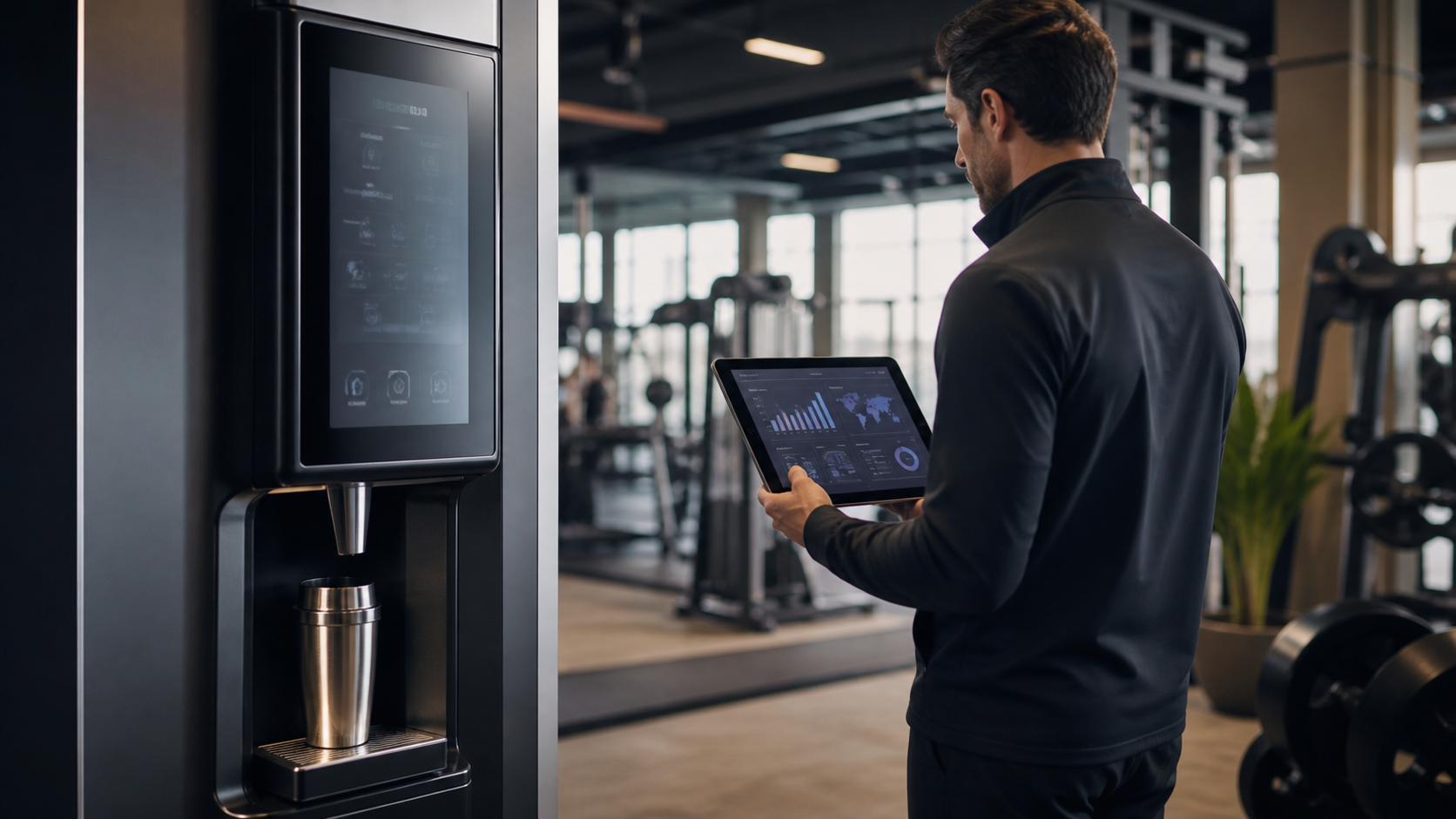
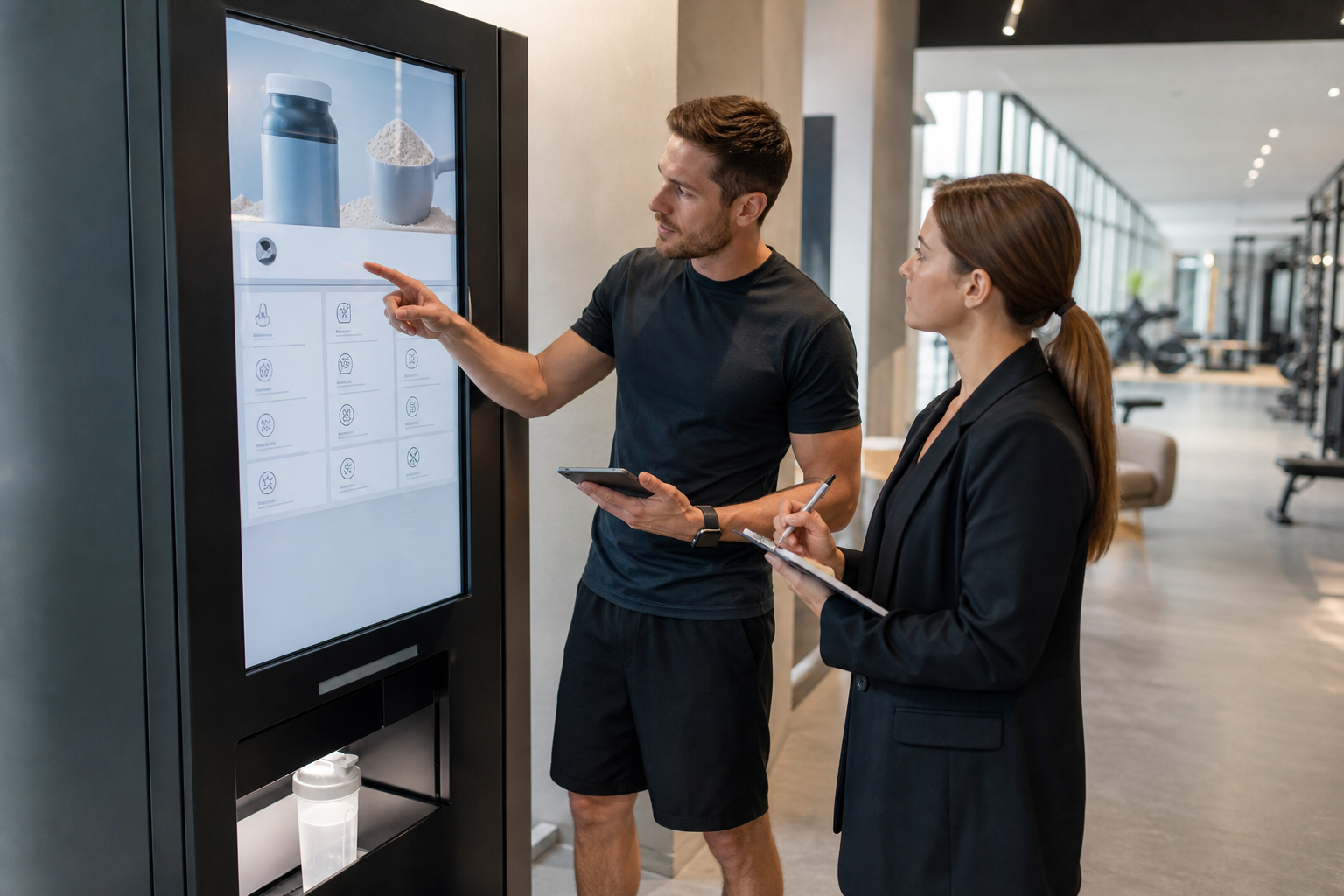
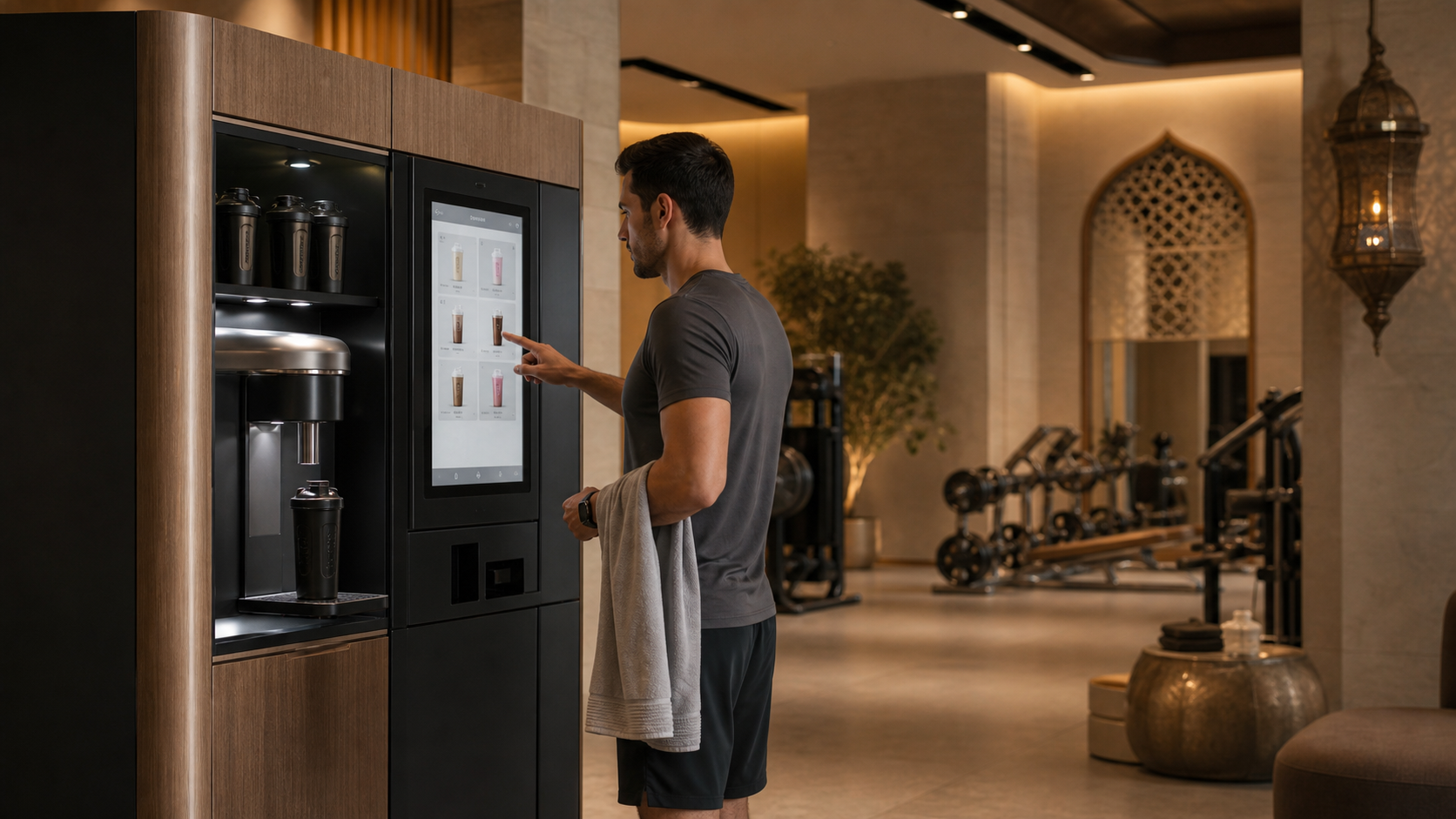
Premium hospitality venues compete on small moments of convenience. A guest who finishes a late workout may value an immediate, well-presented protein drink more than a complicated room-service jou
United Engineering Construction UNEC recently signed a contract with Nakheel for Deira Mall Project Deira Mall is the biggest mall in the Middle East, worth Dh4 2 billion, with an area of 10 3 million square feethttps://unec.co/deira-mall
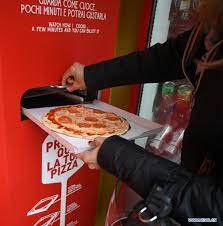
Pizza Vending Machine Market report published by Value Market Research, which studies the future outlook of the market.
It includes the size, share, growth, trends, key players, segments and regional analysis in detail during the study year 2020-2027.The research report also covers the comprehensive profiles of the key players in the market and an in-depth view of the competitive landscape worldwide.
The major players in the pizza vending machine market include Pizzapaesana, Pizza ATM Inc., Tombstone, Gizmodo, Pompei's, Sitos srl, Jin He Shi Ye, Atheela, SHIOK!
Pizza, Wonderpizza USA,LLC, and Dr. Oetker.
This section consists of a holistic view of the competitive landscape that includes various strategic developments such as key mergers & acquisitions, future capacities, partnerships, financial overviews, collaborations, new product developments, new product launches, and other developments.Get more information on "Global Pizza Vending Machine Market Research Report" by requesting FREE Sample Copy at https://www.valuemarketresearch.com/contact/pizza-vending-machine-market/download-sampleMarket DynamicsThe key factors driving the pizza vending machine market are increasing preference, increasing adoption of self-service devices, and advancing remote management technology.
Furthermore, considerable investment in R activities by companies to improve the pizza vending machine will also boost its demand.