





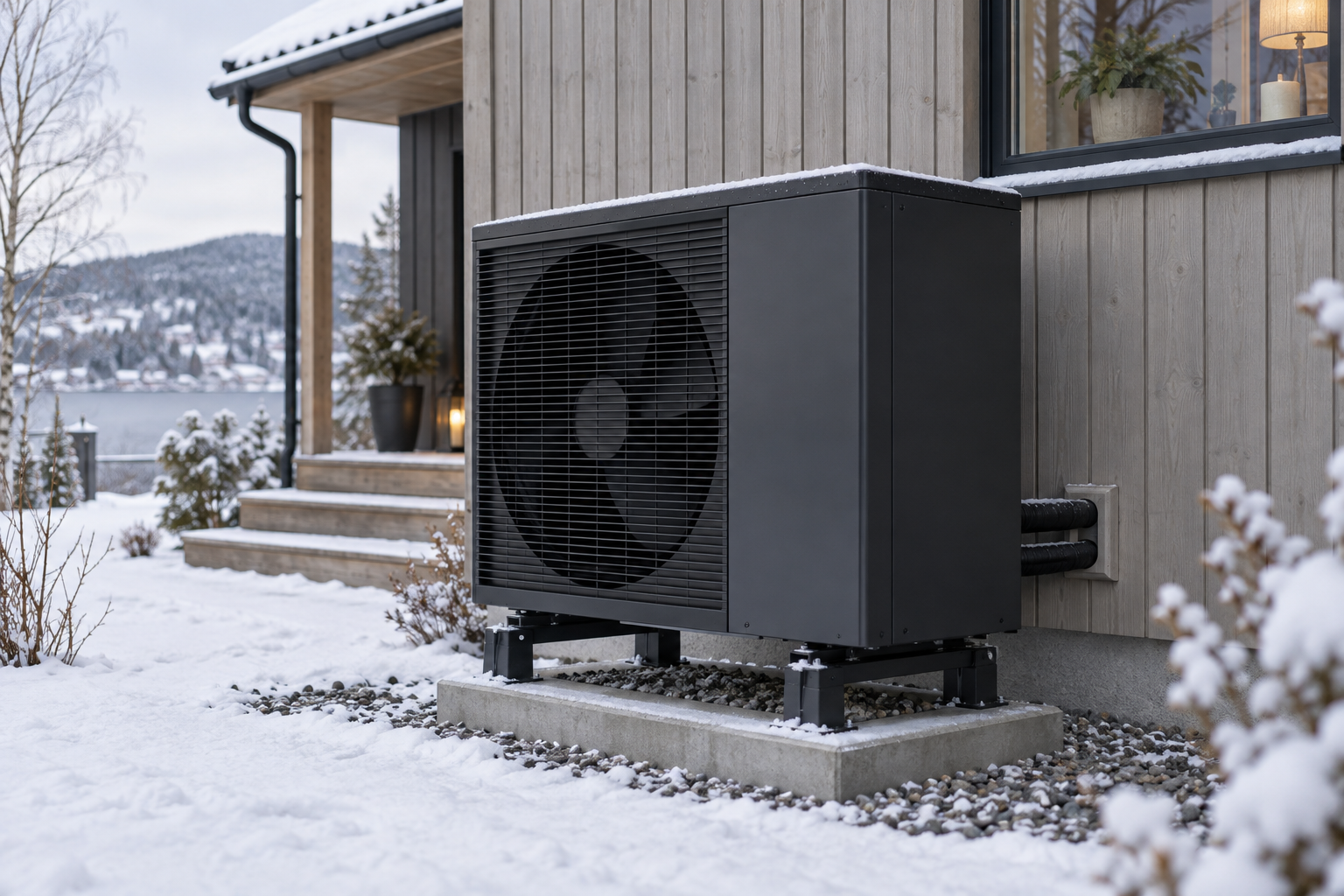
A cold-weather claim should lead to a specific question: what can the proposed system deliver for this house at its design conditions? An outdoor operating range is relevant, but it does not by itself establish heating capacity, efficiency, or the need for supplementary heat at every point in that range. Those questions belong in the equipment selection record.
For an R290 monoblock heat pump, ask the designer to connect the building assessment to manufacturer performance information. Homeowners can review the logic without making their own engineering selection. The aim is to understand the proposed comfort strategy during demanding weather and the assumptions behind it.
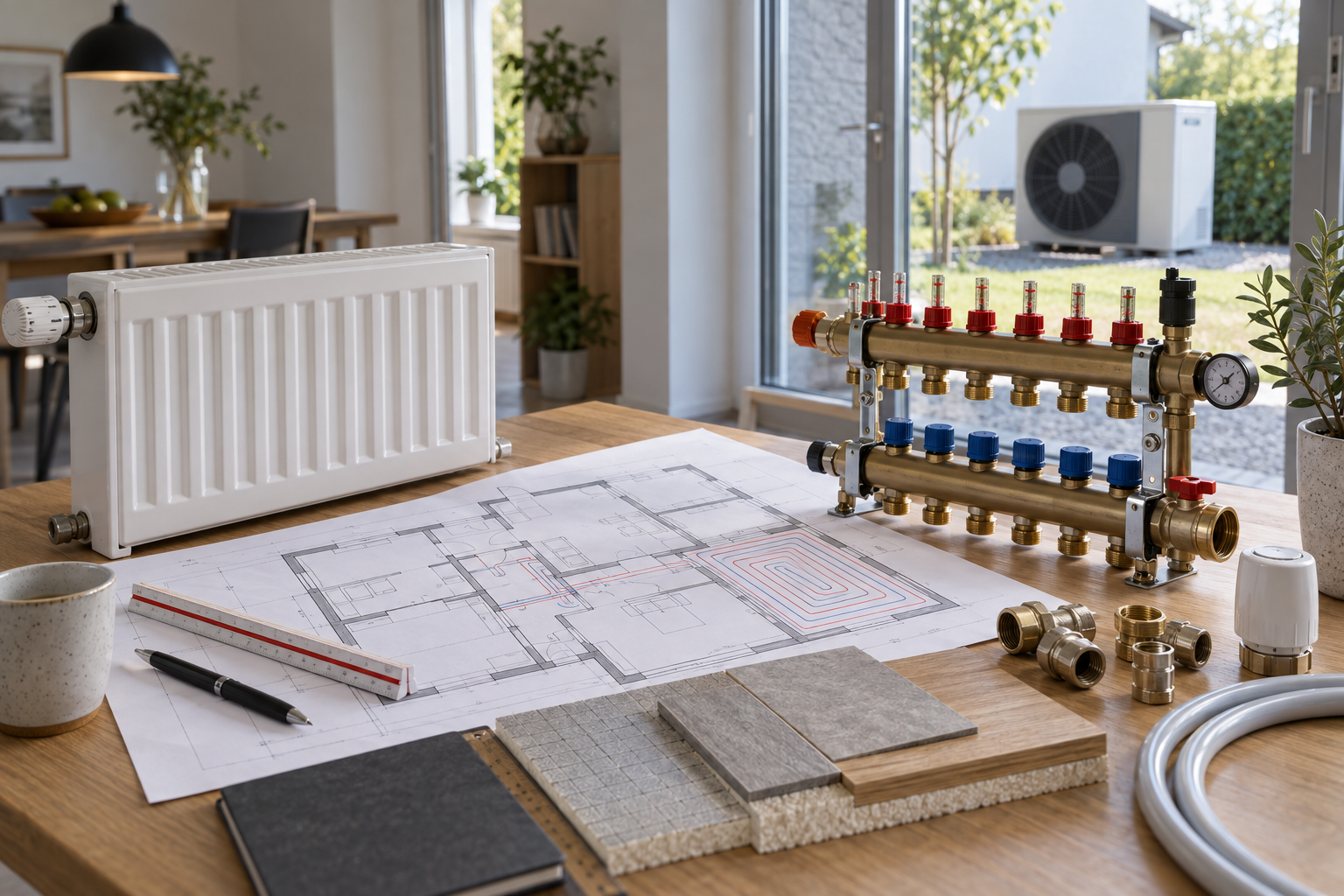
Start with the Local Design Brief
The assessment should identify the outdoor condition used for sizing and the indoor conditions the occupants expect. Ask why those choices fit the project location and intended use. Avoid treating a dramatic temperature from a marketing graphic as a substitute for local design information.
Record the house condition used in the calculation. Planned insulation, unfinished extensions, and uncertain construction details can change the basis of the recommendation. If improvements are not complete before installation, ask the designer how the interim situation has been considered.
Domestic hot-water requirements should be described separately. A family expecting several closely spaced showers presents an operating scenario that needs coordination with space heating. The appropriate arrangement should be explained for the selected equipment rather than assumed from the phrase whole-home solution.
Request Capacity at Relevant Conditions
Ask for the data used to compare available heat output with the assessed demand. The request should include the actual model, outdoor condition, and proposed water-temperature condition. Keep any uncertainty in the supplied information visible until the manufacturer or designer resolves it.
If the available brochure does not cover the needed point, request further selection information. Do not interpolate a reassuring answer from unrelated figures without professional review. The homeowner's role is to insist on a traceable recommendation, not to invent a performance curve.
The proposal should also explain how the system is intended to handle demanding periods. That explanation may involve controls, supplementary equipment, or a defined operating priority. It should identify the conditions assumed and the responsibilities for commissioning the arrangement.
Review the Installation Environment
Give the installer photographs and a measured plan of the proposed outdoor location. Include the building features and surroundings relevant to the site assessment. The installer must check the location against the specific manual and applicable local requirements, including those associated with the refrigerant.
Ask how the contractor will address site-specific winter conditions in the design and maintenance instructions. Do not copy drainage, protection, or clearance details from another installation. A solution accepted at one property may rely on conditions that differ at another.
The approved arrangement should remain recognizable after landscaping or building work. If later changes affect the unit's surroundings, refer them back to the installer before treating them as harmless cosmetic alterations.
A property exposed to demanding winter conditions may also have practical attendance constraints. Tell the installer if access becomes difficult or if the household depends on a particular local contact. That information belongs in the support plan, even though it does not determine equipment capacity or replace the technical assessment of the site.
Plan a Review during the Heating Season
Agree how the household should record a comfort concern and who will review it. Useful observations include the affected rooms, time, outdoor conditions, and settings visible to the user. These help the installer investigate without asking the homeowner to open equipment or alter service parameters.
For a Thermalux enquiry, Devotion can be approached with the designer's model-specific questions and the agreed site brief. Keep the manufacturer's response with the final selection documents so later reviewers understand the basis of the decision.
Cold-weather readiness is a property-level conclusion, supported by building demand, appropriate performance information, and a commissioned operating strategy. A clear proposal explains those elements together and avoids converting a broad operating limit into an unconditional promise of comfort or low bills.
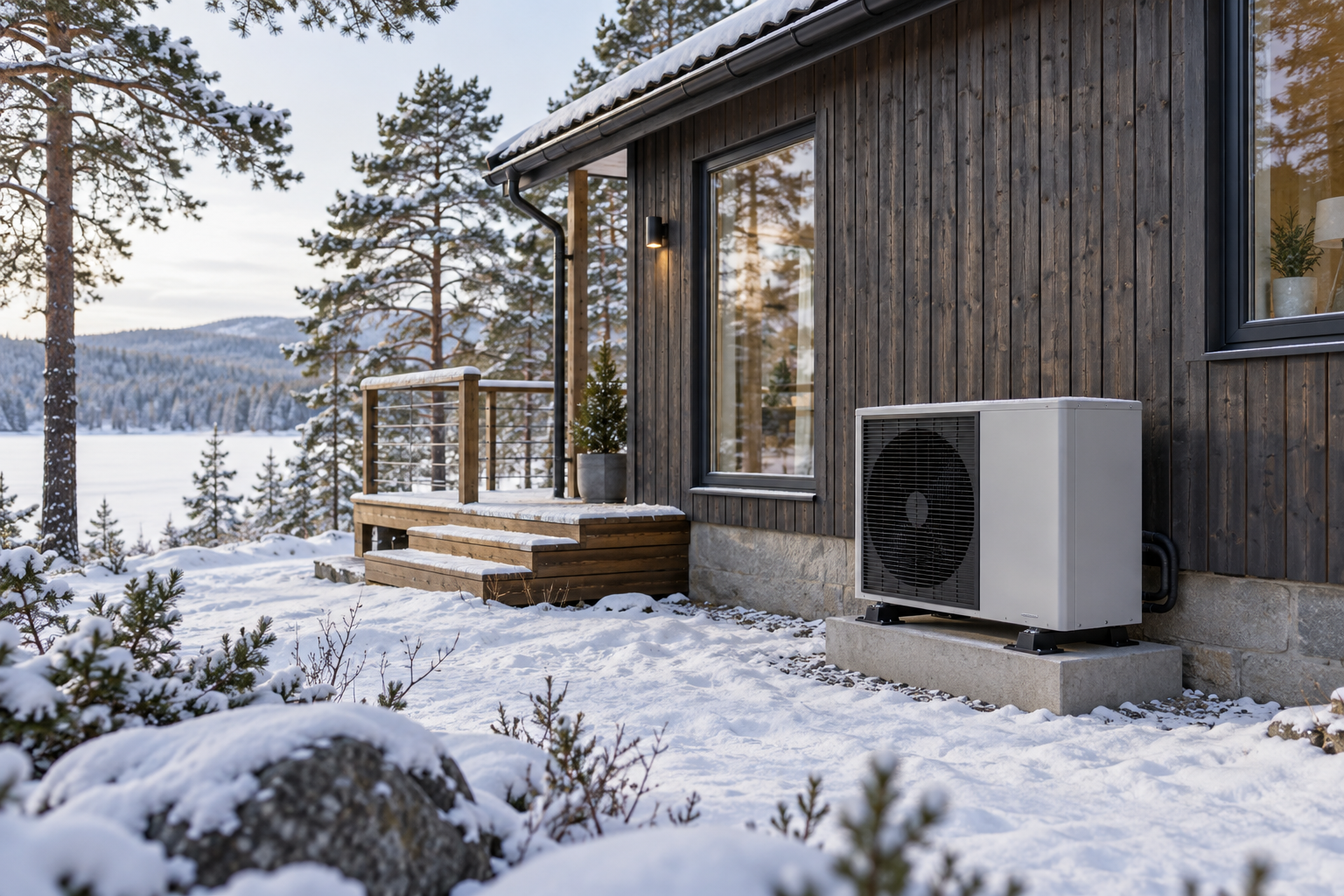

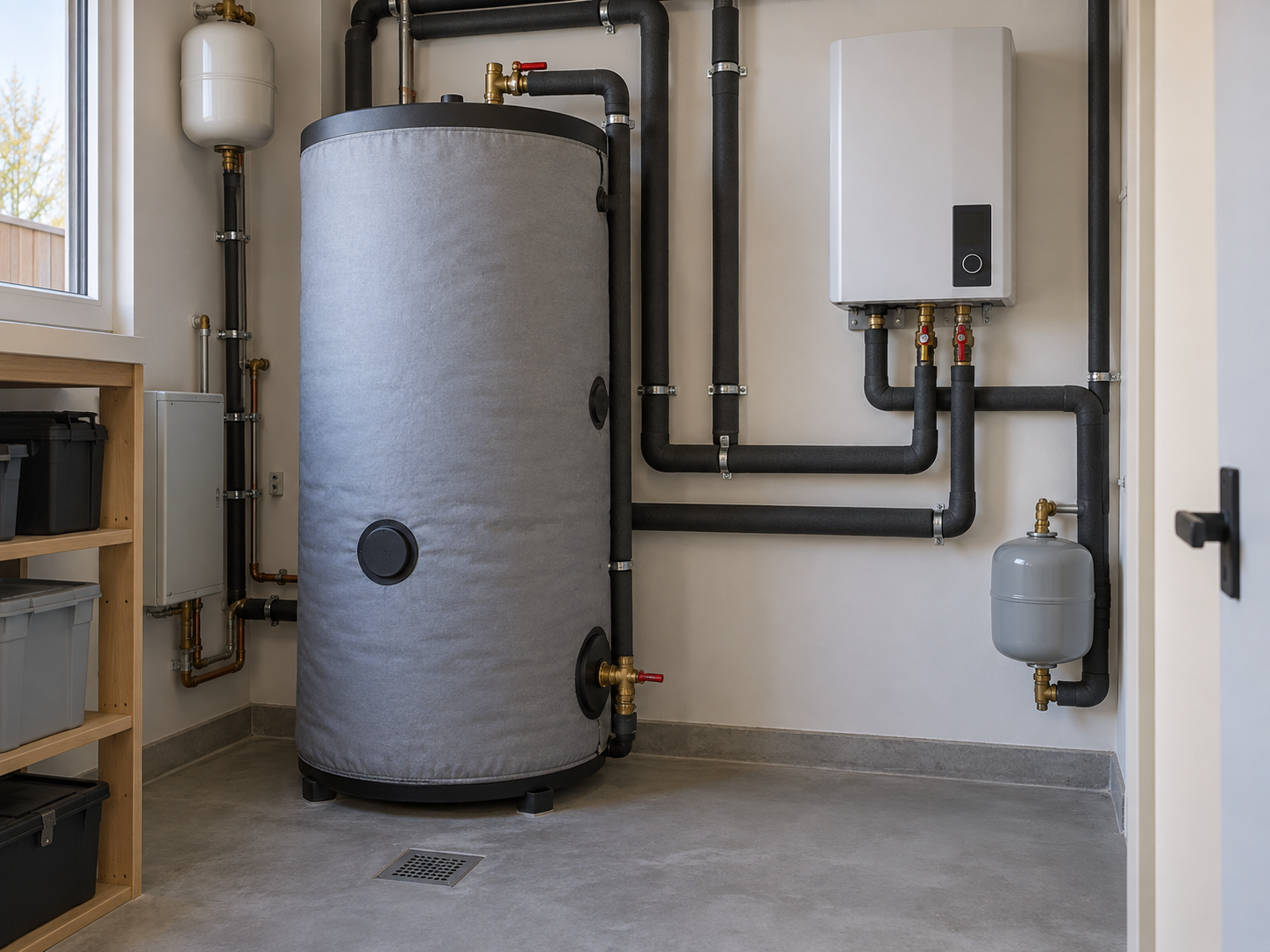
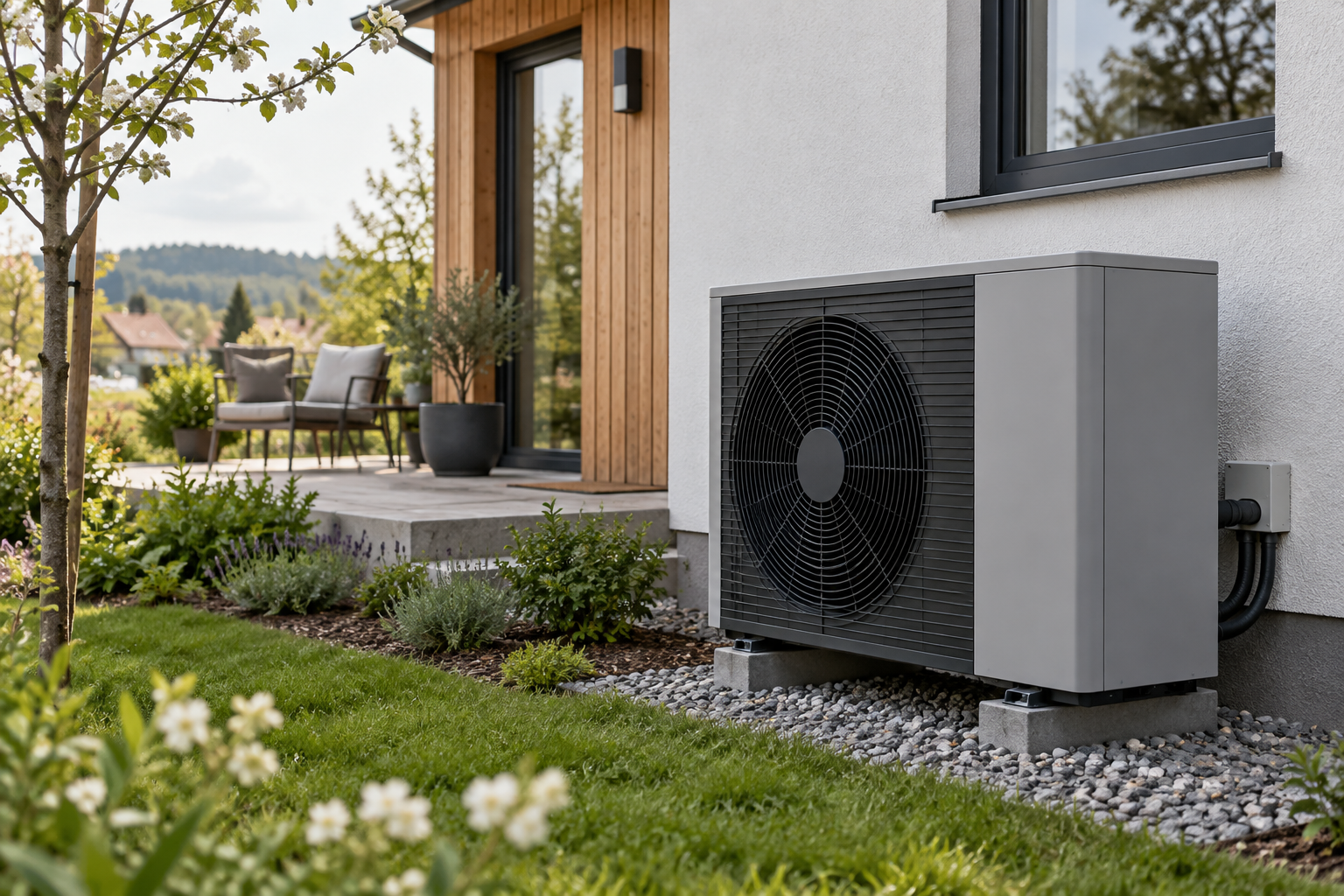
Selecting a heat pump only by its largest published output leaves part of the household operating picture unexplored. The house also needs heating when conditions are milder and demand is lower. An
Pricing for a Heat PumpIn Spokane, a warmth pump tiers in charge from $4700 to $7000.
The charge of your warmth pump will rely on a range of of of things inclusive of length of your own home, stage of electricity performance, set up variances and fine.
.Energy.Gov states that a warmth pump can perform at approximately one zone of the fee of a traditional heating/cooling appliance.
Our specialists are satisfied that will help you decide what rebates can be to be had for you.What is a Heat Pump?A warmth pump is established out of doors of a domestic and connects for your contemporary gadget.
When it’s bloodless out of doors, the warmth pump extracts out of doors warmth and transfers it inside.
home heat pump prices A warmth pump is an electricity green opportunity that takes the area of each furnace and aircon units.