





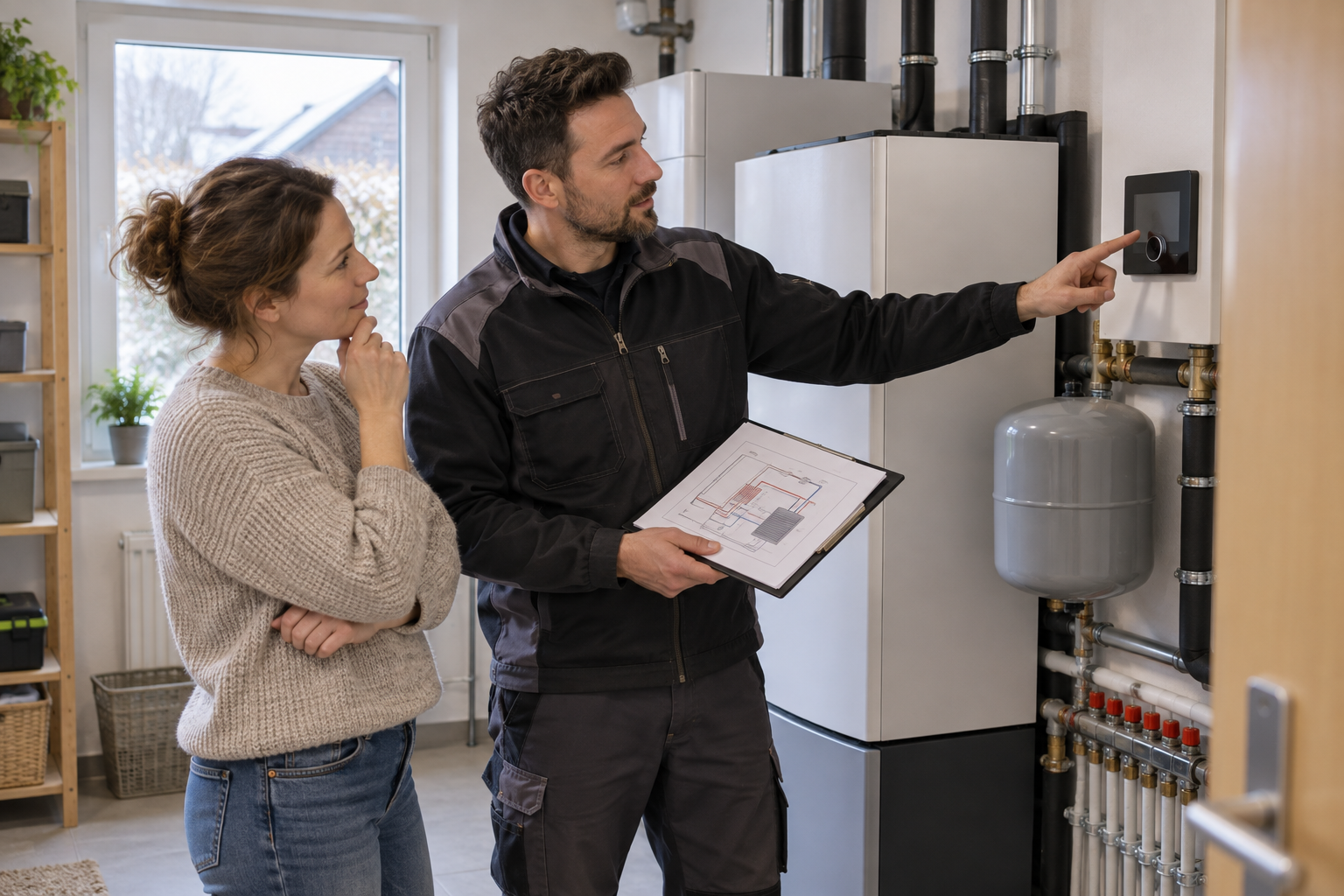
Two heat-pump proposals may appear similar until their water-temperature assumptions are compared. One might be developed around a different emitter arrangement or operating condition from the other. Before judging efficiency claims, a homeowner needs to understand which temperature the proposal refers to and why the designer selected it.
The product table for a Thermalux R290 heat pump distinguishes heating test conditions using different water temperatures. That distinction is useful when reviewing a quotation. It does not mean that a single published efficiency figure predicts the performance of a complete home throughout a heating season.

Identify the Temperature Being Discussed
Ask the installer to distinguish the water sent to space-heating emitters from stored domestic hot water and the room-temperature setting. These serve different purposes. A household should not be left thinking that changing one setting necessarily changes all the others in the same way.
Write the intended design conditions into the proposal in plain language. The record should identify which part of the system each figure describes and who established it. Where the value is provisional, explain what information is needed before it can be confirmed.
This is also the moment to separate a product's stated operating limits from the conditions proposed for routine use. A maximum listed temperature is not automatically the preferred setting for a particular house or evidence of the capacity available at every outdoor condition.
Compare Like with Like
When two models are shortlisted, request performance information at matching conditions relevant to the design. Keep the model references and test conditions visible beside the figures. A comparison loses meaning if a favorable value from one test point is set against a different point for another product.
Use the same discipline when reviewing an alternative emitter plan. If a quotation proposes different radiators and a different temperature strategy, compare the complete options. The equipment price is only one part of a decision that also affects building work and expected operation.
Ask the supplier to explain any range in the table rather than choosing the highest number by default. A range may refer to operating variation that needs context. The designer should identify the data used in the selection and any further manufacturer confirmation required.
Keep Seasonal Expectations Separate
An efficiency value at a stated test condition and an estimate covering a year answer different questions. Request the assumptions behind any seasonal estimate, including the building demand and the operating strategy. A household bill also depends on how electricity is priced and what other loads the meter includes.
Do not turn an indicative estimate into a promised percentage saving. If the comparison involves an existing boiler, explain the baseline used and any uncertainty in the historic consumption record. Changes in occupancy or insulation should be visible in the discussion.
The useful outcome is a bounded expectation: what the design is intended to deliver, under which assumptions, and how the team proposes to review it after installation. This is more informative than selecting a product around an isolated headline COP.
Ask for a Usable Controls Explanation
At handover, the installer should explain which settings a homeowner may adjust and which belong to commissioning or service work. Ask for the approved operating arrangement to be documented. Do not experiment with protected settings based on an article or an unrelated product video.
Questions for Devotion can then reference the exact Thermalux model and the relevant design conditions. A focused technical enquiry is easier to answer than asking whether a heat pump is efficient without describing how it will be used.
Understanding flow-temperature assumptions does not require becoming a heating engineer. It requires a proposal that names its conditions and explains their role. That lets the homeowner compare recommendations fairly and recognize when a product claim does not yet answer the needs of the house.
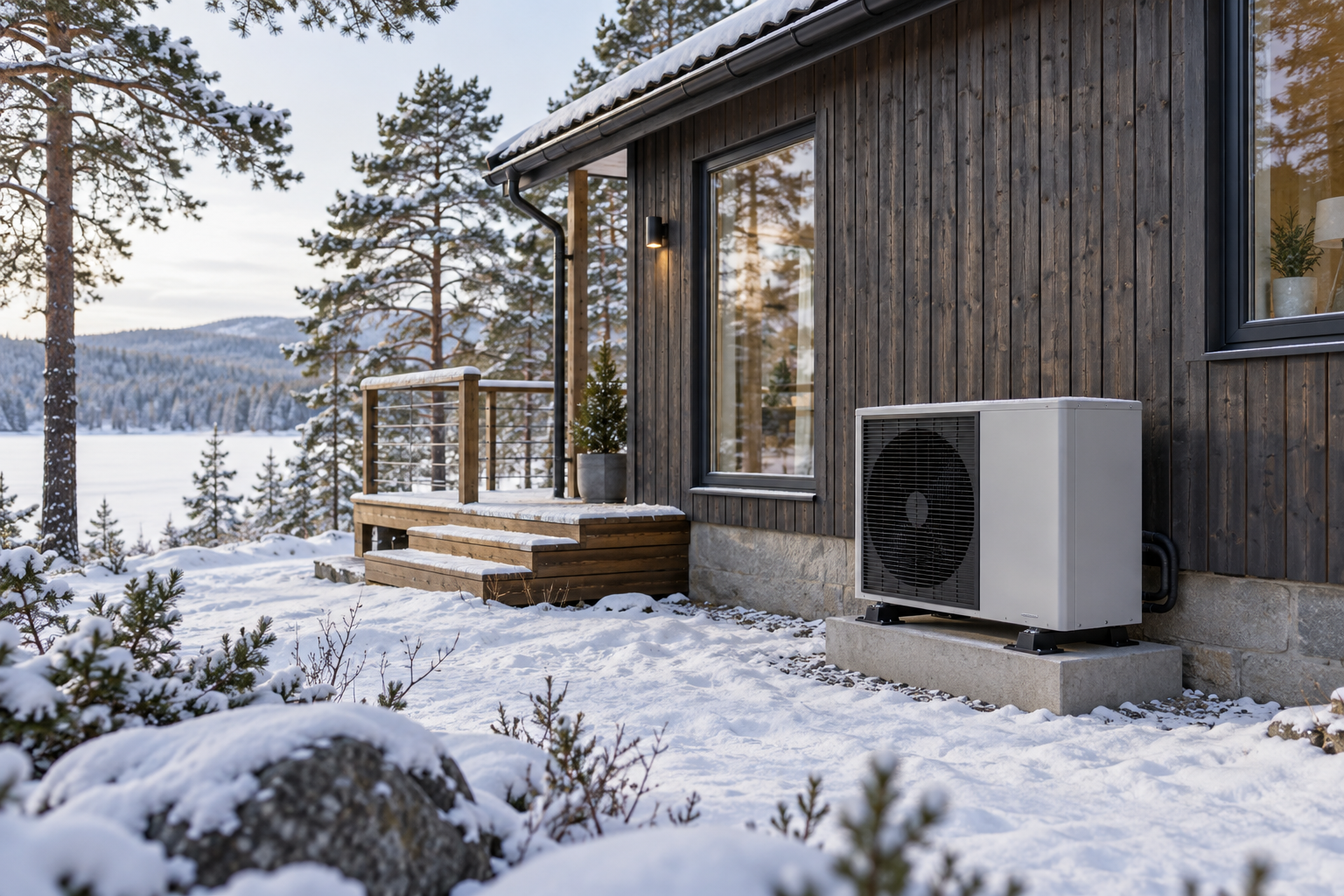

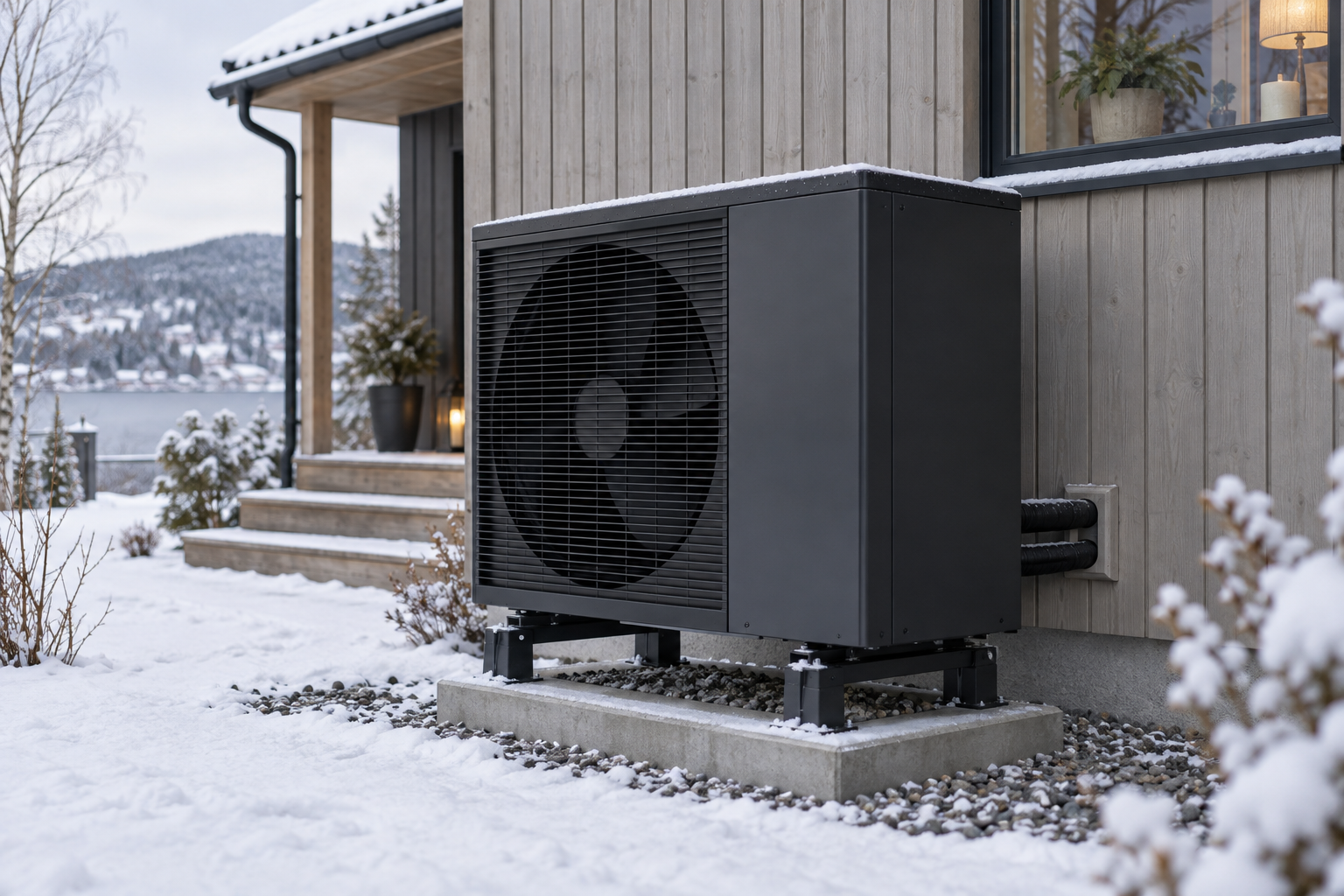
A cold-weather claim should lead to a specific question: what can the proposed system deliver for this house at its design conditions? An outdoor operating range is relevant, but it does not by its
Pricing for a Heat PumpIn Spokane, a warmth pump tiers in charge from $4700 to $7000.
The charge of your warmth pump will rely on a range of of of things inclusive of length of your own home, stage of electricity performance, set up variances and fine.
.Energy.Gov states that a warmth pump can perform at approximately one zone of the fee of a traditional heating/cooling appliance.
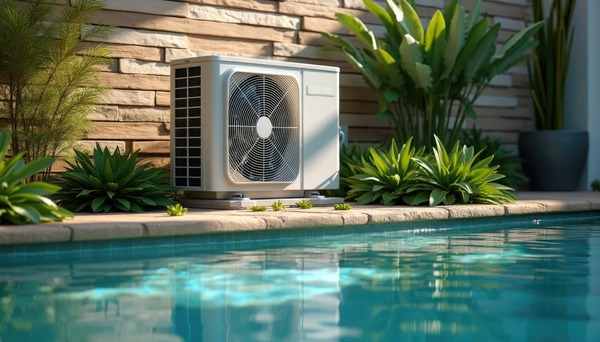
Our specialists are satisfied that will help you decide what rebates can be to be had for you.What is a Heat Pump?A warmth pump is established out of doors of a domestic and connects for your contemporary gadget.
When it’s bloodless out of doors, the warmth pump extracts out of doors warmth and transfers it inside.
home heat pump prices A warmth pump is an electricity green opportunity that takes the area of each furnace and aircon units.