





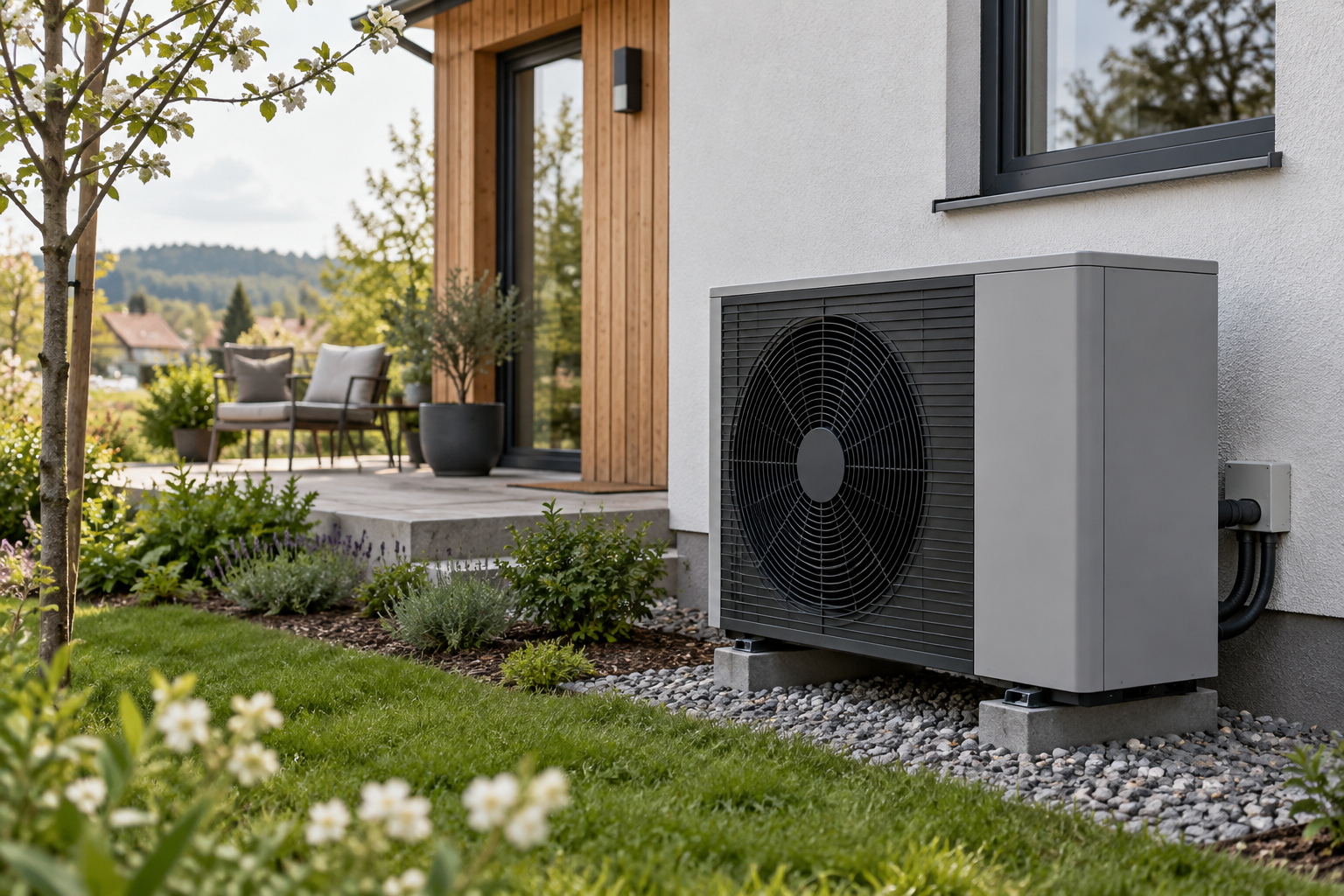
Selecting a heat pump only by its largest published output leaves part of the household operating picture unexplored. The house also needs heating when conditions are milder and demand is lower. An inverter label does not answer how a particular unit and system will behave across those periods. The selection discussion should include both the demanding design condition and less demanding everyday scenarios.
When comparing an R290 inverter heat pump, ask the designer which parts of the performance information were used. The objective is not to find the widest range on a brochure. It is to understand whether the proposed equipment and distribution arrangement suit the range of conditions expected in the home.
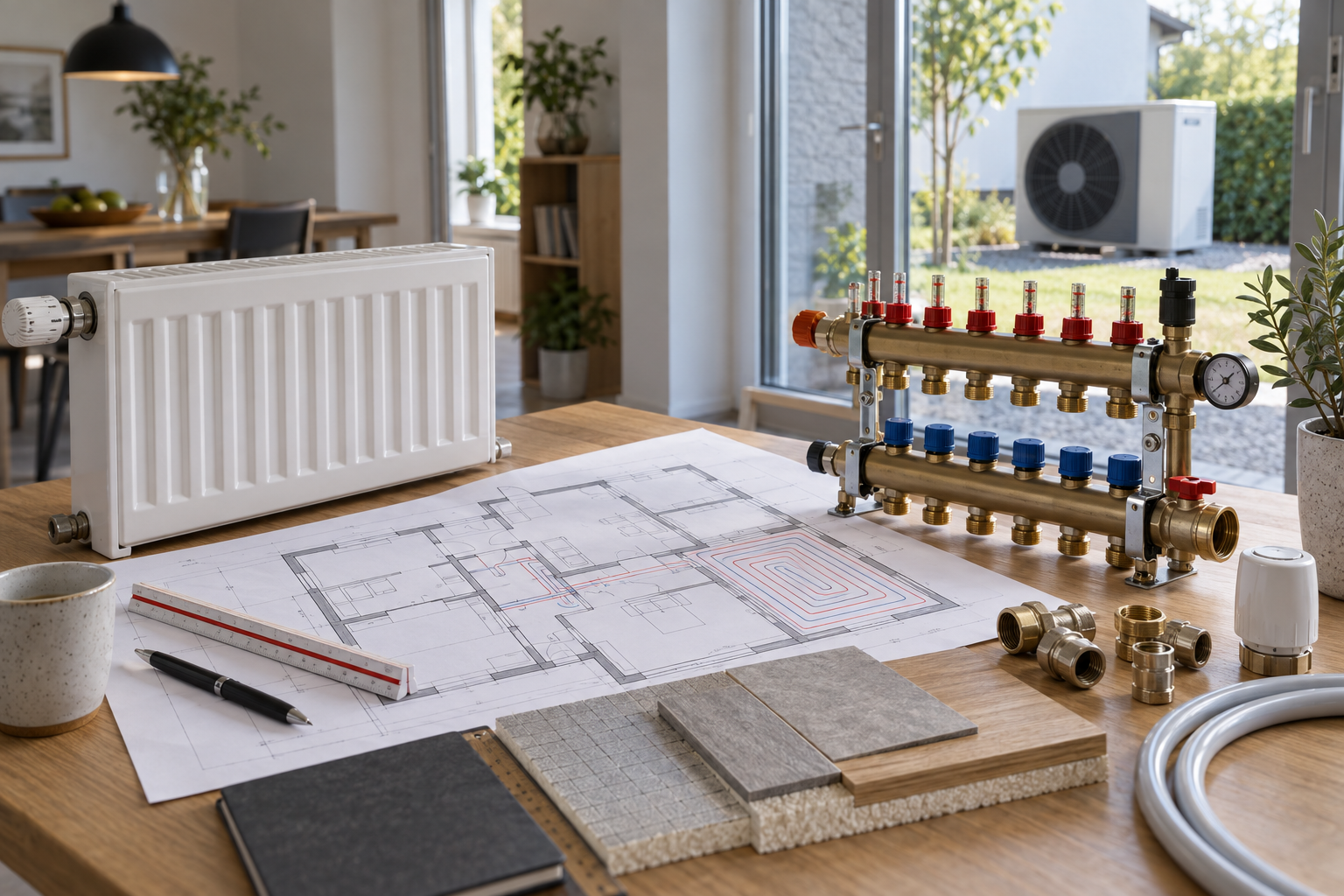
Separate Model Size from Operating Range
A model's nominal description is useful for identification, but the designer should work with the corresponding technical information. Keep the exact model code beside any quoted output range. Similar product names can otherwise conceal differences between the units being discussed.
Ask what conditions apply to the minimum and maximum values. Without that context, a comparison can combine figures that describe different situations. If the brochure is unclear, record the question and request clarification rather than assuming that every number applies throughout the operating envelope.
The system proposal should identify which information is confirmed and which remains provisional. This gives the homeowner a reason to delay a final equipment order when a material selection question is still unanswered.
Consider the House on an Ordinary Day
Describe a plausible mild-weather day alongside the winter design case. Which rooms are in use? What comfort schedule is intended? Are some areas occupied only occasionally? These questions help the designer review the actual household routine rather than an abstract building total.
For a hypothetical family, the daytime pattern might involve one home office and an open living area, with other rooms used differently. Ask how that scenario is represented in the distribution and controls proposal. Do not assume that every room will always behave as one unrestricted zone.
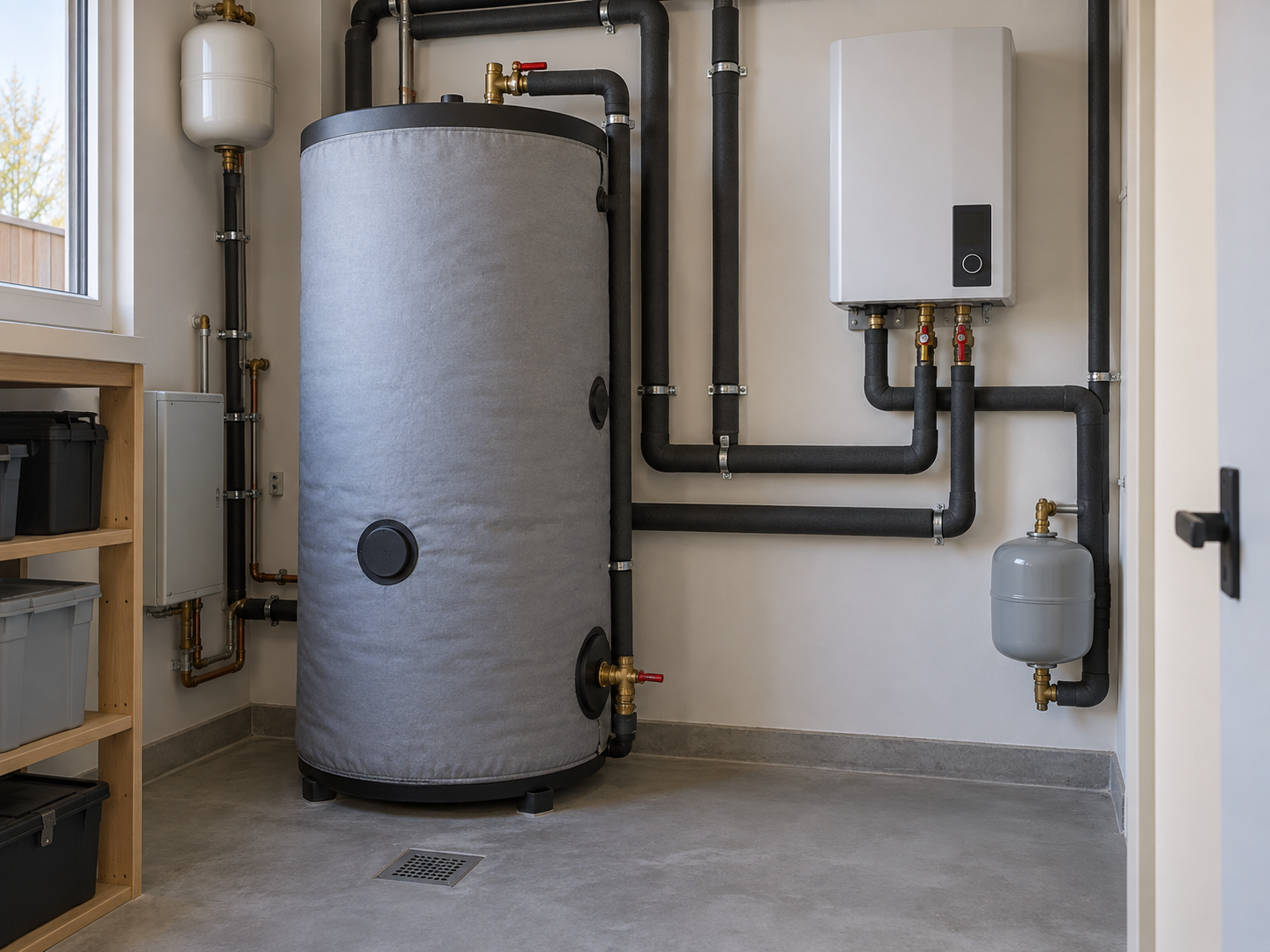
The designer should determine how the selected unit's operating requirements are met. A homeowner should not be asked to choose a buffer volume or alter hydraulic arrangements from a generic online recommendation. The useful deliverable is an explained design decision.
Examine the Case for Moving Up a Size
If a quotation recommends a larger unit as a precaution, ask what uncertainty that choice addresses. The answer might reveal missing survey information that can be resolved directly. An unexplained allowance should not become the permanent basis of the installation simply because it sounds conservative.
Compare the consequences of the larger proposal with the original selection. Ask about the relevant operating conditions, site requirements, and associated system changes. The assessment should cover more than the difference in equipment price.
If future building work is the reason, establish whether that work is planned and when it will happen. A possible extension several years away is different from an approved extension under construction. The heating designer can then assess an explicit scenario instead of sizing around an undefined possibility.
Request a Reviewable Commissioning Record
Agree which commissioning information will be retained and how the installer will respond to later operating concerns. The record should identify the model and approved settings relevant to the installation. It should not encourage the homeowner to experiment with service menus.
When evaluating Thermalux options with Devotion, provide the designer's questions about the required operating range. A focused request helps distinguish a genuine equipment capability question from an issue in the building or distribution brief.
Minimum output matters because equipment spends its life serving a changing demand, not a single brochure condition. A thoughtful proposal explains how those variations were considered and what evidence supports the selected model. That makes the decision easier to review before purchase and easier to understand after installation.
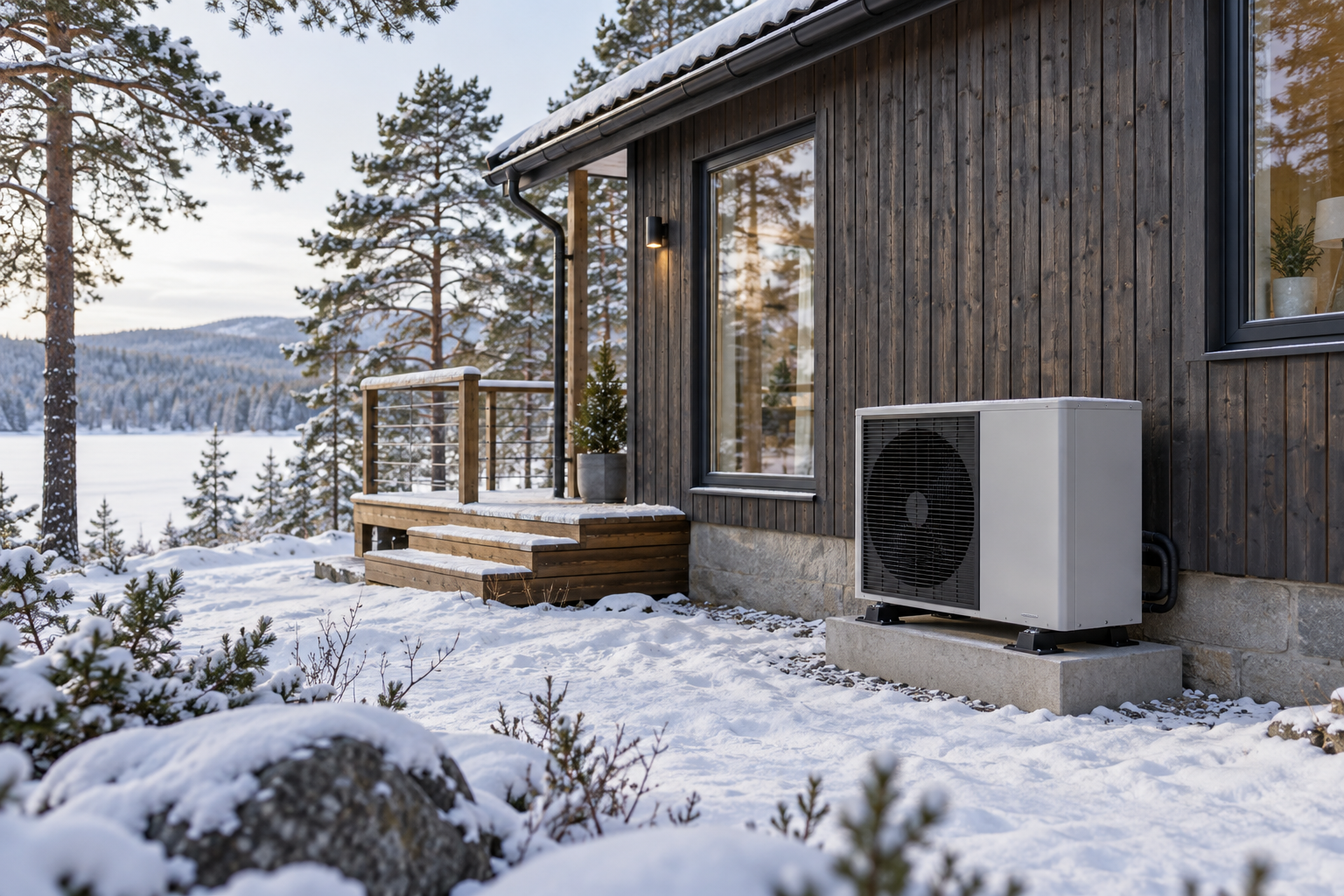

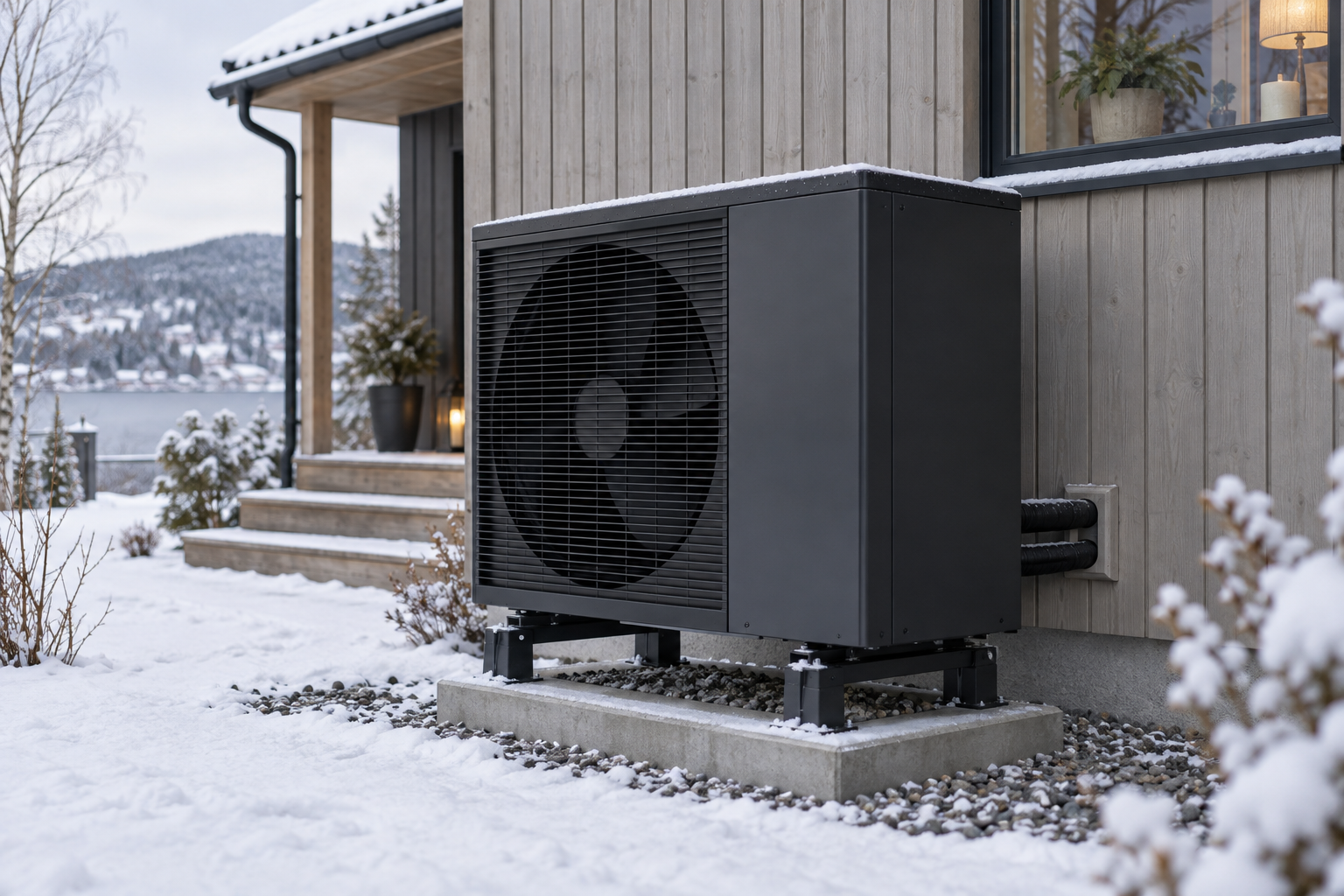
A cold-weather claim should lead to a specific question: what can the proposed system deliver for this house at its design conditions? An outdoor operating range is relevant, but it does not by its
Pricing for a Heat PumpIn Spokane, a warmth pump tiers in charge from $4700 to $7000.
The charge of your warmth pump will rely on a range of of of things inclusive of length of your own home, stage of electricity performance, set up variances and fine.
.Energy.Gov states that a warmth pump can perform at approximately one zone of the fee of a traditional heating/cooling appliance.
Our specialists are satisfied that will help you decide what rebates can be to be had for you.What is a Heat Pump?A warmth pump is established out of doors of a domestic and connects for your contemporary gadget.
When it’s bloodless out of doors, the warmth pump extracts out of doors warmth and transfers it inside.
home heat pump prices A warmth pump is an electricity green opportunity that takes the area of each furnace and aircon units.