





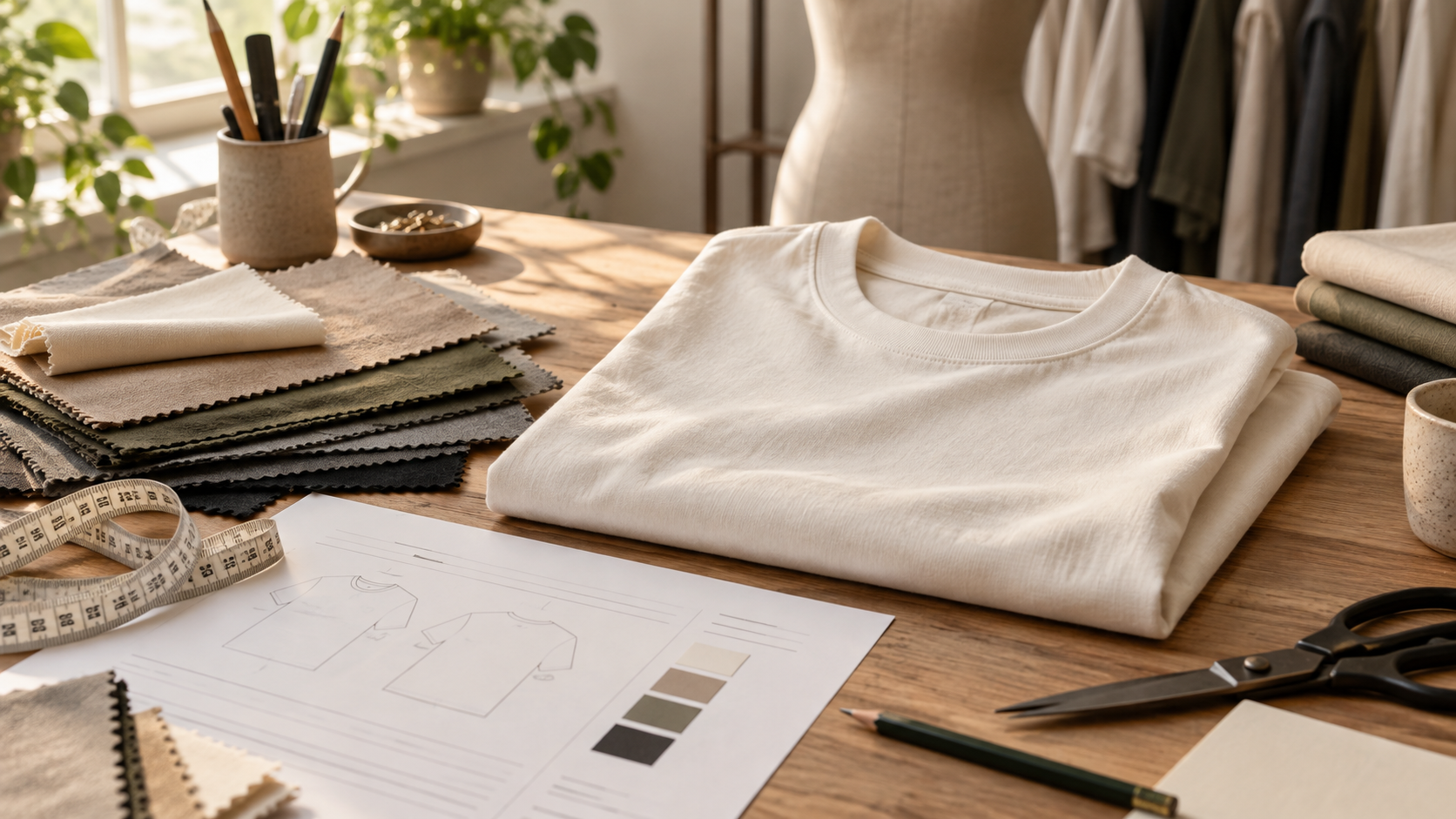
Casual T shirts often form the foundation of a collection, which makes their product decisions more important than they first appear. A small change in fit, fabric weight, neckline, hem, or colour can change whether the garment feels familiar, premium, relaxed, or intended for layering. A clear brief helps a team describe those choices before it starts sampling. It also gives stakeholders a common reference for comparing options without mistaking personal preference for an agreed product requirement.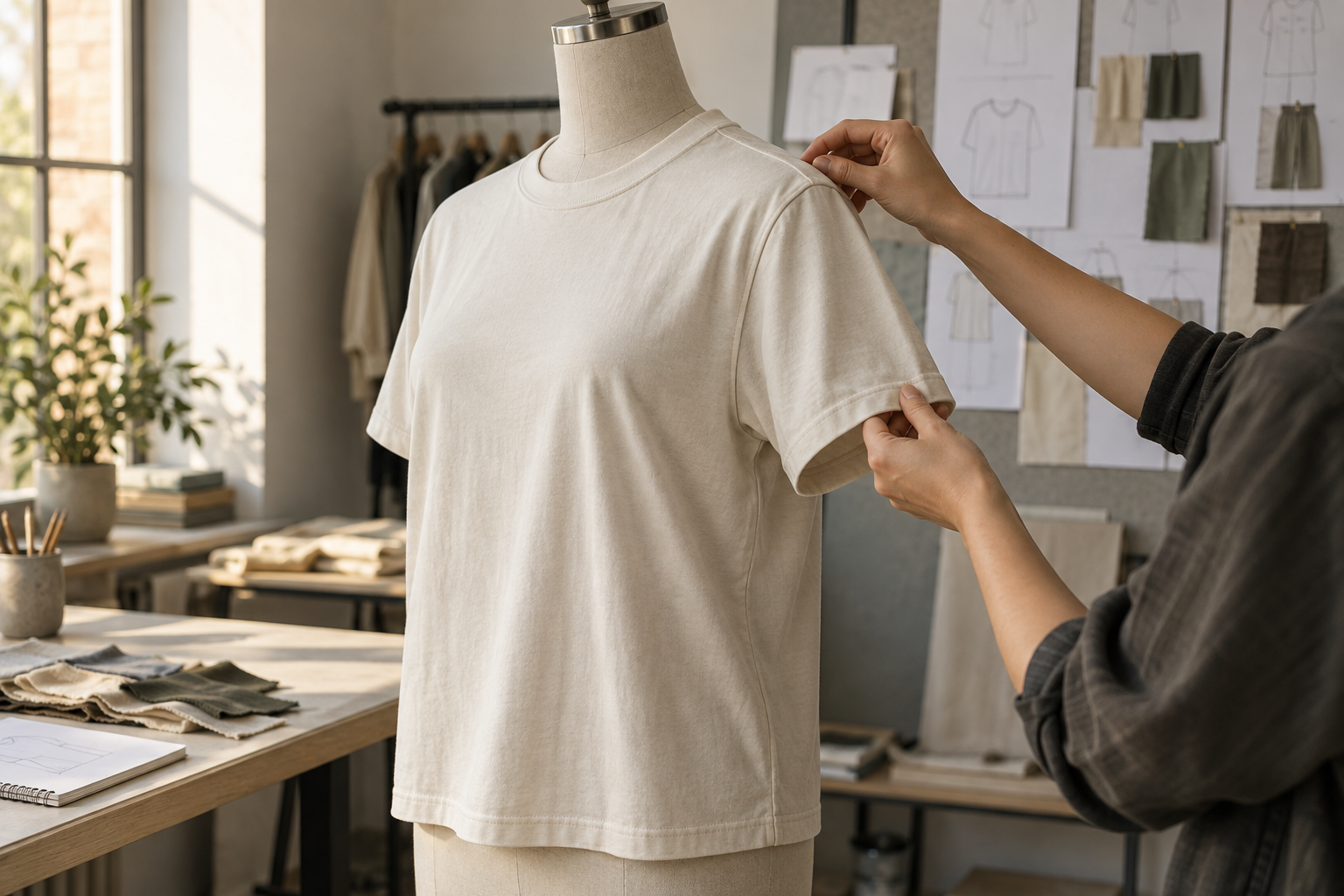
Describe the role in the collection
Begin by defining where the T shirt sits in the range. It may be an essential everyday style, a seasonal colour update, a graphic base, a coordinated item, or a relaxed layer designed to work with other pieces. The role shapes the questions a team should ask about fit, fabric, styling, and assortment breadth.
Think about the wearer and the expected occasions. A casual shirt for regular daily use may need a different silhouette and fabric feel from a shirt intended for travel, gifting, a fashion-focused capsule, or a uniform programme. This context does not decide every feature, but it prevents generic product language from hiding the real product objective.
Write the role in straightforward terms that a designer, buyer, and technical reviewer can all use. A clear statement of purpose makes it easier to distinguish between a change that supports the product and a change that simply adds complexity without improving the customer experience.
Use fit language that can be reviewed
Terms such as relaxed, regular, oversized, and classic can mean different things to different people. A stronger brief pairs the chosen fit direction with practical references: preferred body length, shoulder position, sleeve volume, neckline depth, and the way the garment should sit when layered. The aim is not to over-specify too early, but to make the current expectation visible.
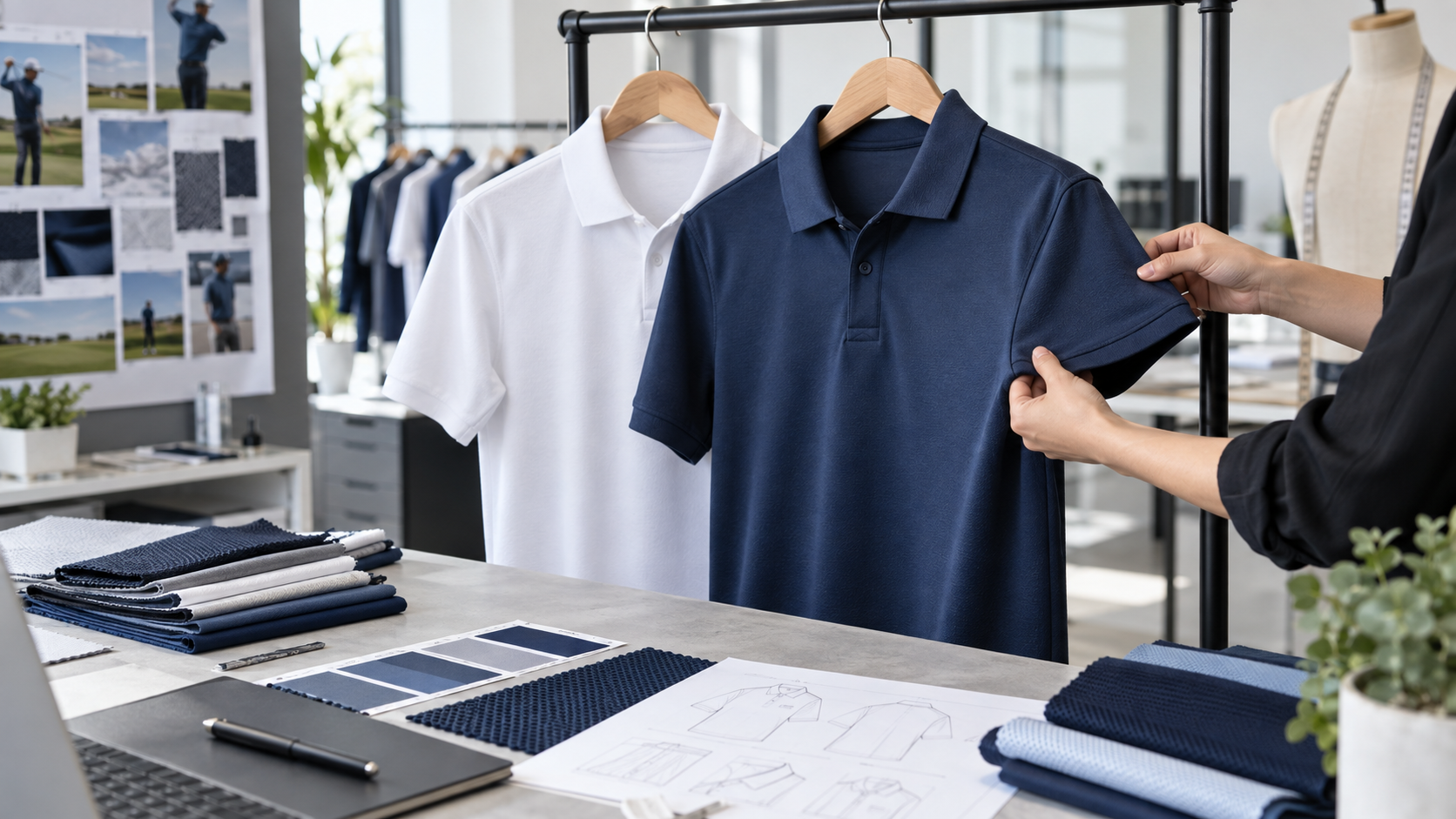
Visual references can help, especially when they are annotated. Explain whether a reference shows the desired proportion, fabric drape, neckline, colour balance, or styling mood. A picture without notes can become a source of conflicting interpretations, while a labelled one gives the team a more accurate starting point for discussion.
If the range will be sold across several customer groups, record the points that are stable and the points that can vary. This allows a team to explore colour or graphic updates without accidentally changing the core fit each time a new style is proposed.
Use category research with care
Reviewing custom casual t shirts before a sourcing conversation can help a team identify the product types it wants to discuss. The value of a category review is practical orientation: it gives buyers and designers a chance to prepare relevant questions instead of starting a meeting with an undefined request for a basic T shirt.
During that review, look at the overall product direction rather than searching for a finished answer. Consider which styles are closer to the intended product role, which details may require clarification, and what sample evidence would help the team compare options. This approach keeps online research connected to a real development decision.
Avoid assuming that a visible style reveals every necessary specification. Product development still requires a shared brief, sample assessment, and clear follow-up. A category page can inform the conversation, but it cannot replace the questions needed to check whether a particular garment suits a defined customer and use case.
Plan a useful sample review
When samples are reviewed, return to the original brief. Check the garment's proportion, neckline, sleeve, hem, fabric feel, and how it works with the other items likely to be in the collection. A written checklist helps the team assess the same points across several options rather than relying on unrecorded impressions.
It is helpful to distinguish what is observed from what is preferred. A reviewer may observe that a neckline sits higher or a fabric has more structure than expected, then decide whether that supports the product role. Keeping those two steps separate produces clearer revision notes and more constructive conversations.
Take photographs only when paired with a written reason. A photo can show a detail, but it cannot explain why that detail matters. A short note connecting the image to fit, colour, construction, or styling makes the review material much more useful once the team is no longer looking at the sample together.
Keep the development record simple
For buyers preparing a casual T shirt discussion, Aikoo Apparel provides an official place to explore public product categories and frame product questions before a detailed review. The most useful next step is still a focused brief that explains the intended customer, product role, and evidence required for a decision.
At the end of the review, document the selected direction, the details to adjust, and the information still required. A short record protects the continuity of the project when several functions contribute to the decision. It also makes later sampling more efficient because the team can see how each change relates to the original goal.
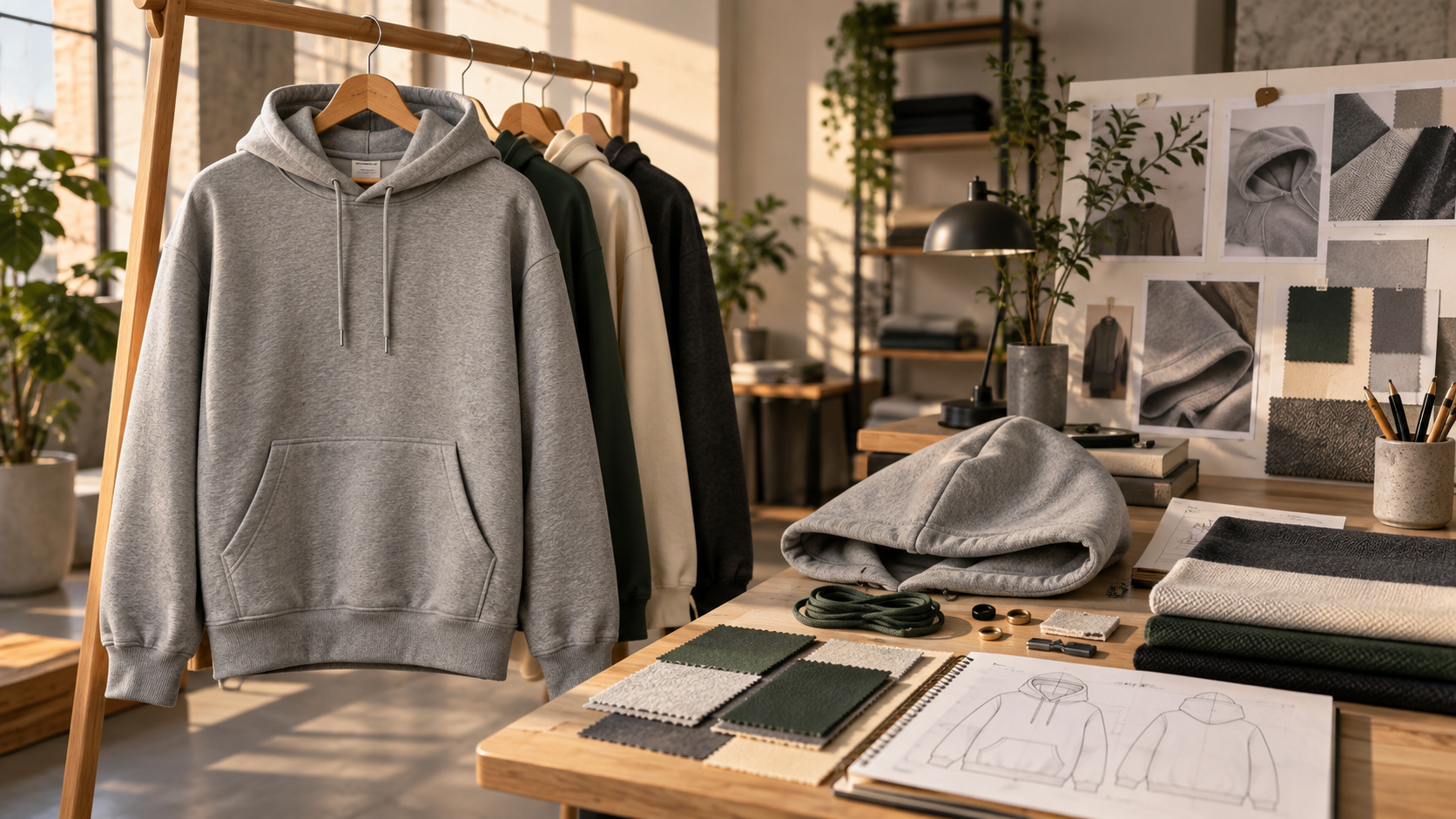
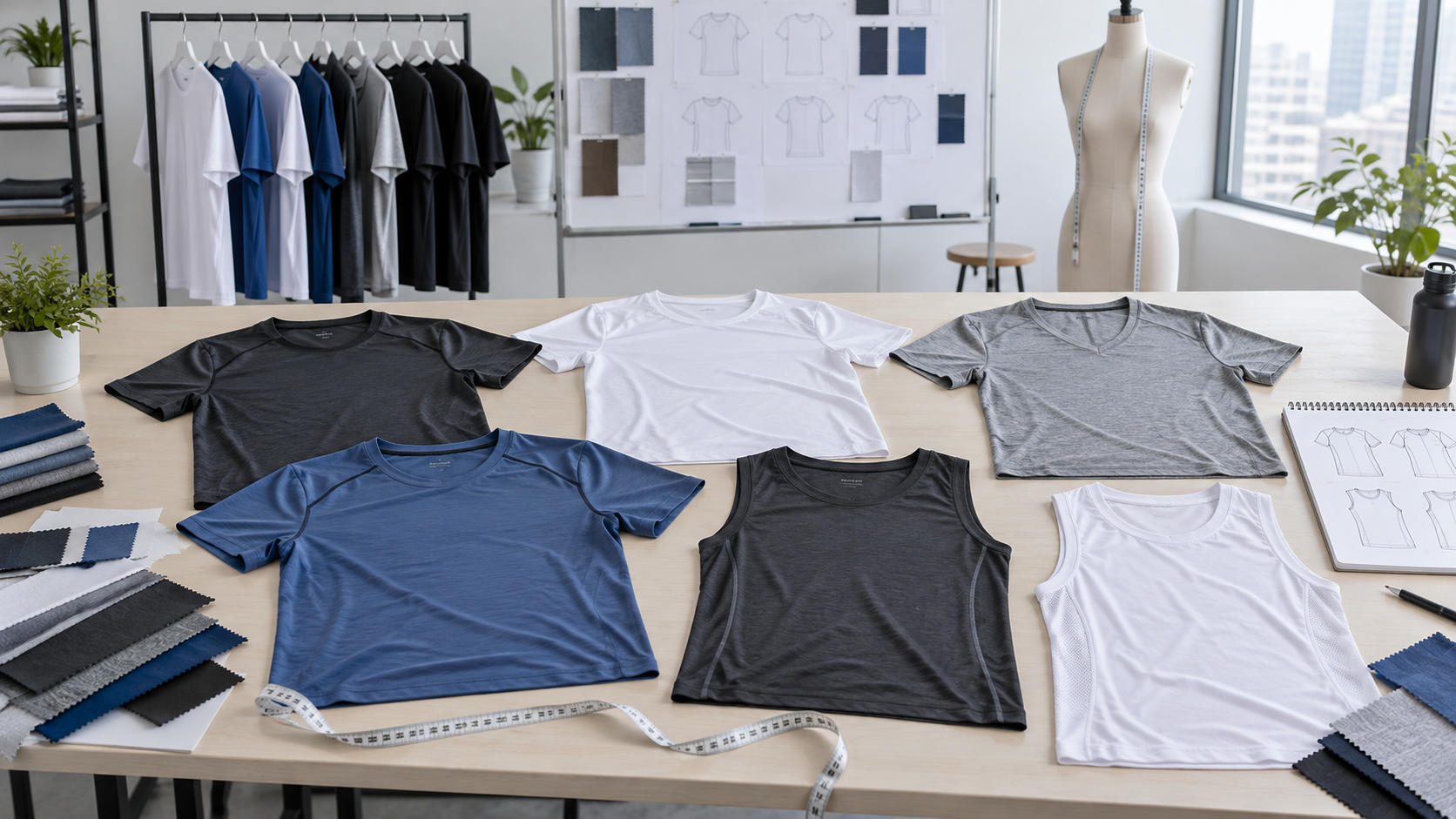
A hoodie can be a core layer in a casual range, but it is not a one-size-fits-all product decision. The intended season, customer, fit, fabric weight, hood shape, pocket treatment, and finishing de

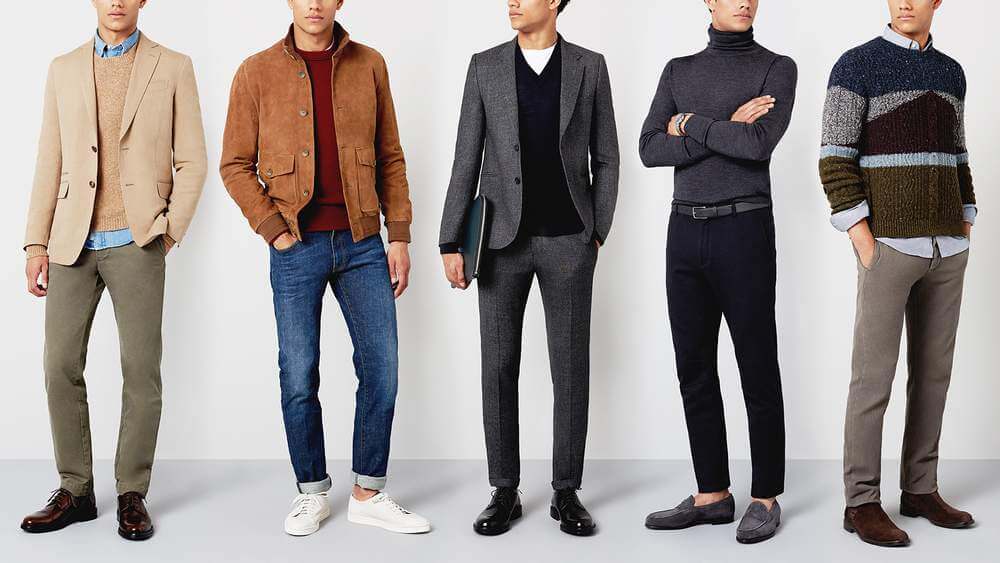
COVID-19 Impact Analysis on Casual Wear Market report published by Value Market Research provides a detailed market analysis comprising market size, share, value, growth and trends for the period 2020-2027.
Moreover, this market report also covers regional and country markets in detail.The research report also covers the comprehensive profiles of the key players in the market and an in-depth view of the competitive landscape worldwide.
The major players in the casual wear market include H, ZARA, Uniqlo, Louis Vuitton, Hermes, Rolex, Coach, Tommy Hilfiger, GAP, Hanes, ESPRIT.
This section consists of a holistic view of the competitive landscape that includes various strategic developments such as key mergers & acquisitions, future capacities, partnerships, financial overviews, collaborations, new product developments, new product launches, and other developments.Get more information on "Global Casual Wear Market Research Report" by requesting FREE Sample Copy at https://www.valuemarketresearch.com/contact/casual-wear-market/download-sampleMarket DynamicsRising per capita income and preference for branded products are a few driving factors that boost the market growth.
Increasing fashion trends and the rapid proliferation of retail stores in the suburban sector will benefit market growth.
Innovative advertising strategies will help the development of the market.