


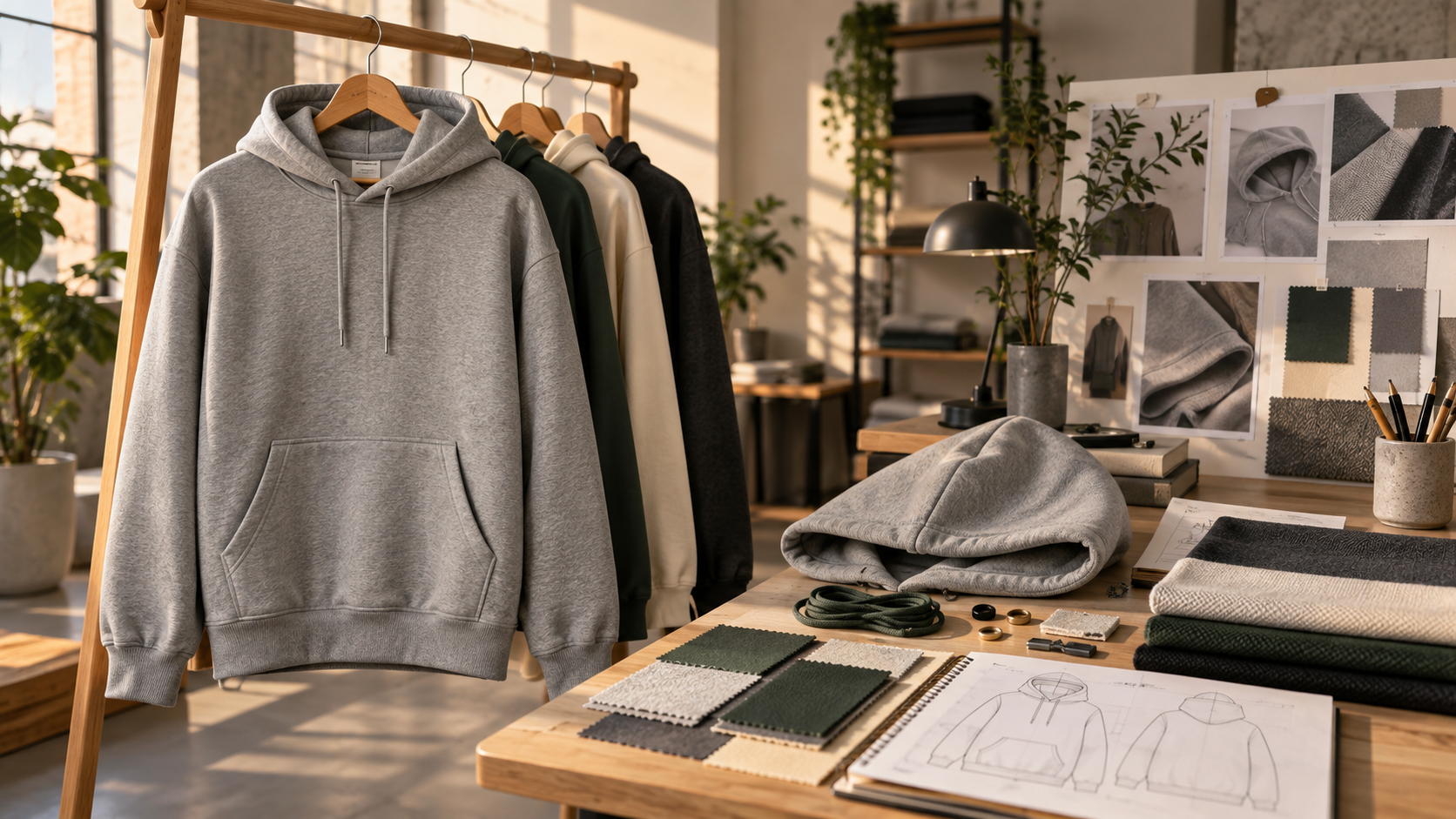
A hoodie can be a core layer in a casual range, but it is not a one-size-fits-all product decision. The intended season, customer, fit, fabric weight, hood shape, pocket treatment, and finishing details all influence how the garment should be developed. Teams that clarify these points before sampling can compare options more effectively. The goal is not to fix every feature at once, but to create a brief that explains what the hoodie needs to achieve for the planned collection.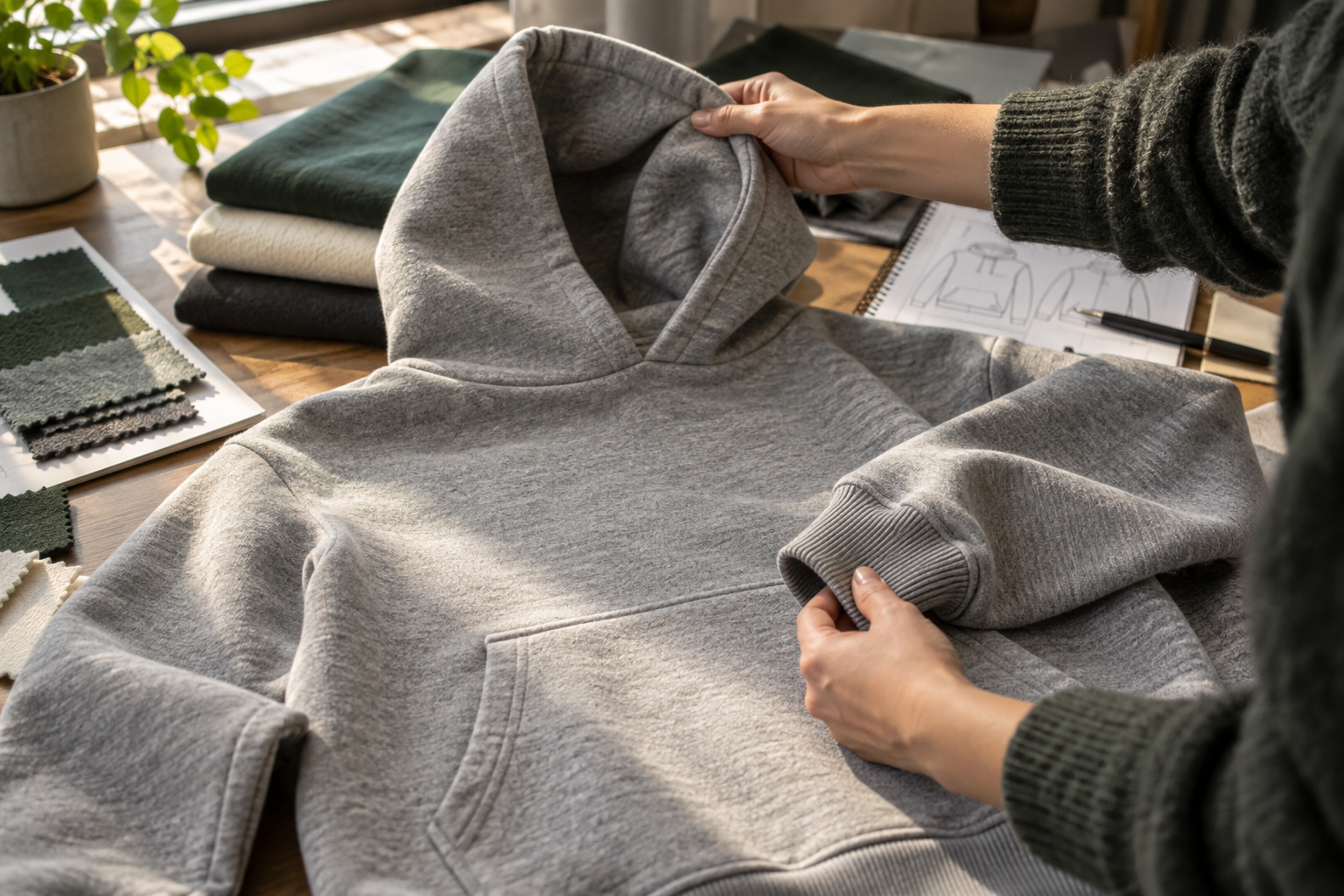
Set the product purpose first
Start by stating the intended role of the hoodie. It may be a year-round casual layer, a heavier seasonal piece, a travel item, a coordinated set component, or a fashion-led silhouette within a broader range. Each role creates different expectations for warmth, weight, fit, styling, and how the garment will be worn with other pieces.
Consider the customer's likely routine. Will the hoodie be worn indoors, outdoors, while travelling, after activity, or as a main everyday layer? The answer shapes questions about fabric feel, pocket utility, hood proportion, and the balance between comfort and structure. A useful sourcing discussion begins with these practical conditions rather than with a single product image.
Keep the brief focused on the current decision. If colour, graphics, or accessories are still under review, label them as open items. This avoids giving a supplier contradictory direction and lets the team concentrate first on the product architecture that must be right before surface details are finalised.
Clarify fit and construction priorities
Hoodies can shift dramatically with changes in shoulder position, body length, sleeve volume, rib treatment, and hood size. Terms such as oversized or relaxed are useful starting points but should be supported by references and notes. Explain what matters about the intended silhouette so the conversation can move beyond a label to a product that can be assessed.
Pockets, drawcords, zips, and seam placements should also be discussed in relation to use. A kangaroo pocket, a full zip, or a clean pullover construction can create a different visual and practical experience. Identify which details are essential to the product role and which can be explored after the base fit is understood.
Do not assume that a visual reference resolves construction questions. Use it to show proportion or styling direction, then add a written list of points to check. This gives design and sourcing teams a clearer basis for reviewing a first sample and reduces the chance of a simple preference being mistaken for a confirmed instruction.
Prepare category questions before a meeting
A product team can review custom casual hoodies before a sourcing conversation to identify the silhouettes and details it wants to understand better. This kind of category research is most useful when it produces a short, practical question list about fit, fabric direction, hood construction, pockets, cuffs, hems, and the role of the garment in a range.
Use the category page as a starting point, not as a complete specification. The visible styles can help a buyer prepare for a more focused discussion, but a final choice still needs to be tested against the team's intended customer, seasonal plan, and product requirements. This keeps research connected to a defined decision.
A good question list also helps distinguish items that need a sample from items that can be confirmed through documents or a follow-up conversation. That discipline makes the development process easier to manage and helps different stakeholders see why a particular next step has been chosen.
Assess samples against real use
Once a sample is available, assess it in the conditions relevant to the brief. Look at the garment on a hanger, consider how it layers, and examine the balance between hood, body, sleeve, and pocket. The notes should compare the observed result with the intended purpose rather than relying on a general response that the hoodie looks good.
Fabric and finishing should be reviewed alongside fit. A comfortable fabric may support one product role but not another; a rib or cuff treatment may change the garment's perceived structure; a pocket placement may affect both appearance and function. Writing down these observations makes later requests more precise.
When several versions are compared, apply the same checklist to each. Consistent criteria help the team understand which difference is meaningful and which is simply a matter of personal preference. This is especially important when product decisions need agreement across design, merchandising, and sourcing functions.
Document the next development step
For teams planning a casual hoodie range, Aikoo Apparel offers an official reference point for exploring public product categories before a detailed product conversation. The value of that preparation is a clearer brief and better questions, not a shortcut around sample review and specification work.
After each review, capture the selected direction, open questions, and information needed for the next step. A concise follow-up record keeps the project aligned when several people contribute over time. It also makes it easier to see whether future changes still support the original product purpose.
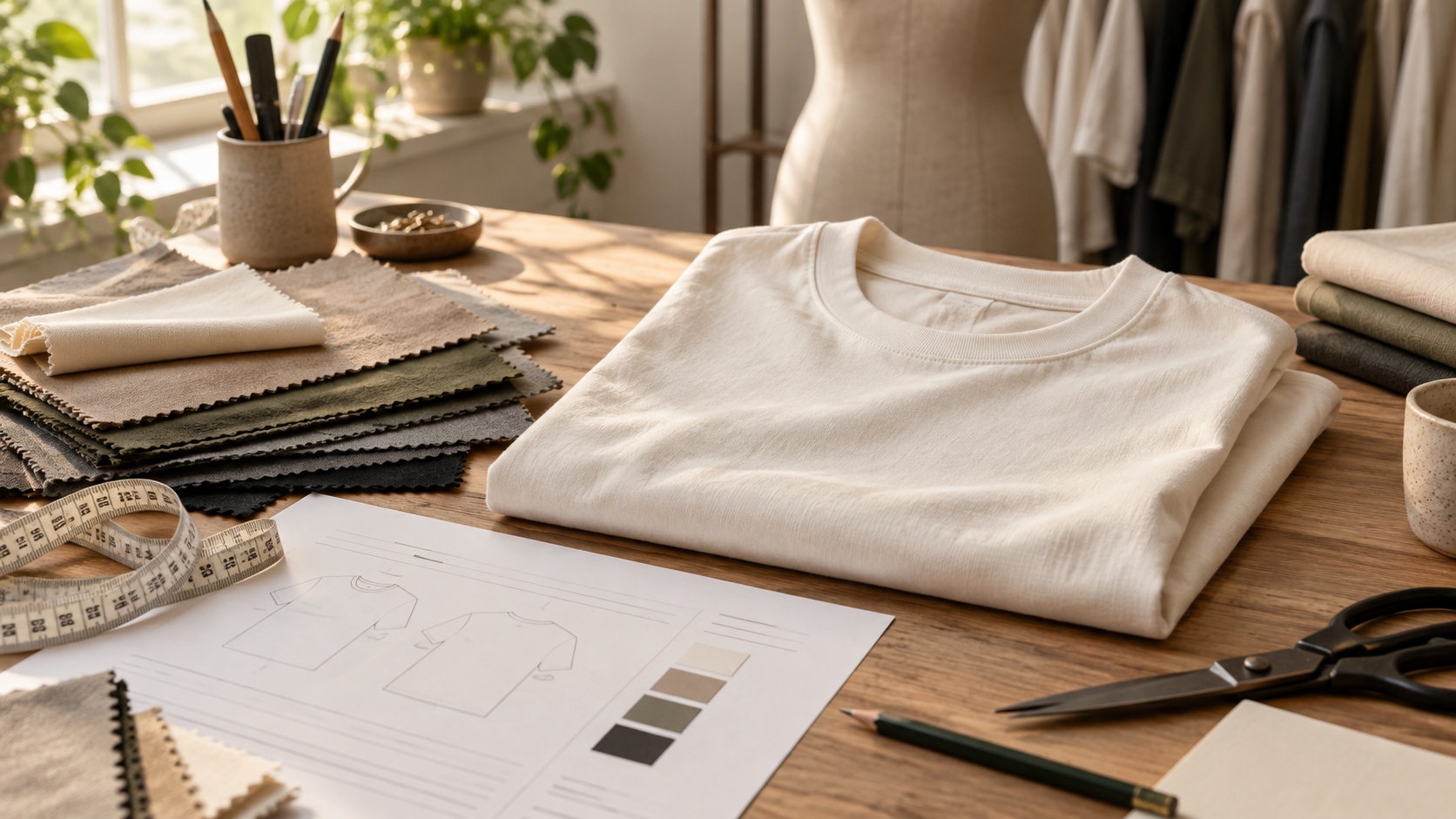
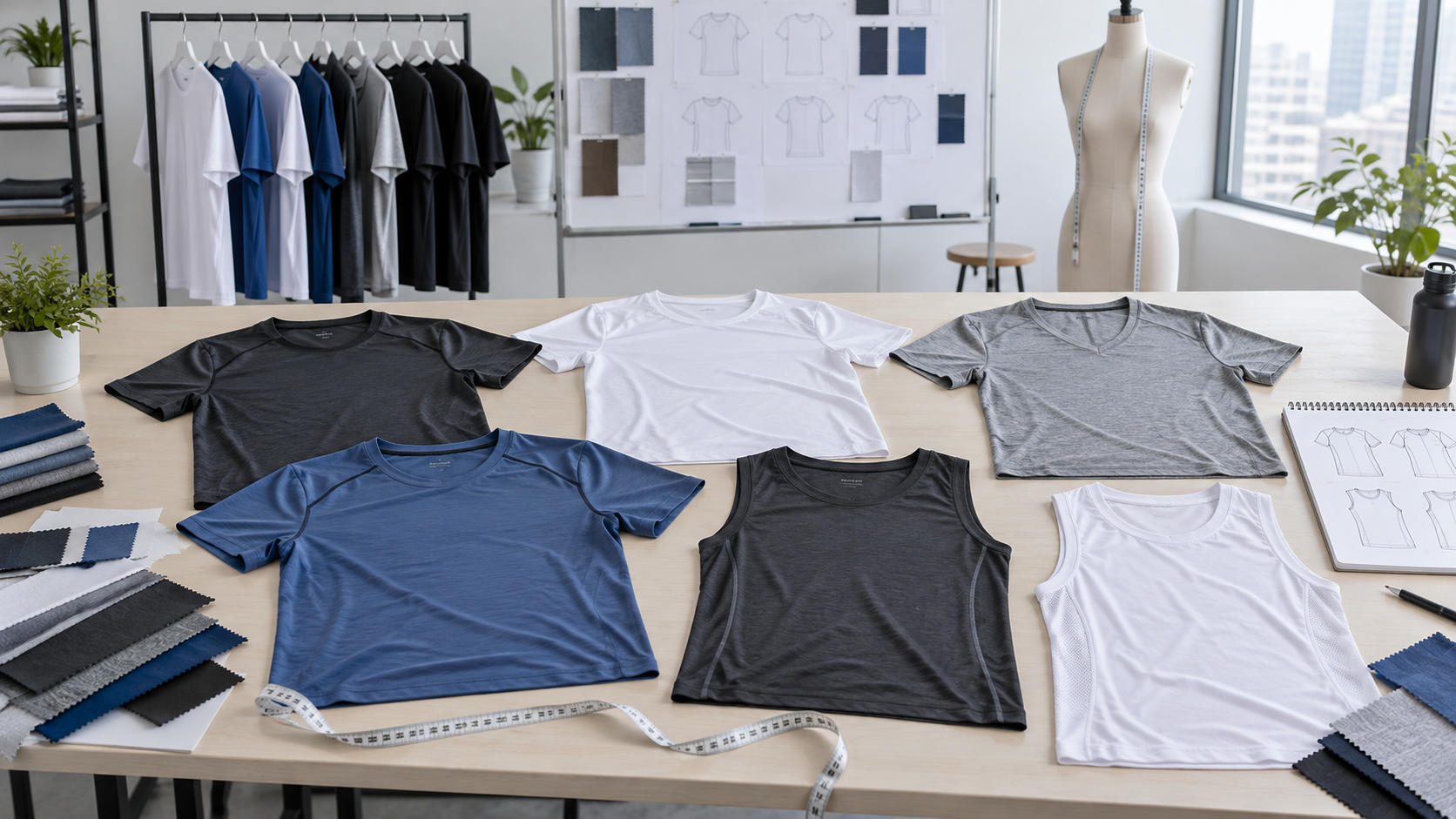

Casual T shirts often form the foundation of a collection, which makes their product decisions more important than they first appear. A small change in fit, fabric weight, neckline, hem, or colour