


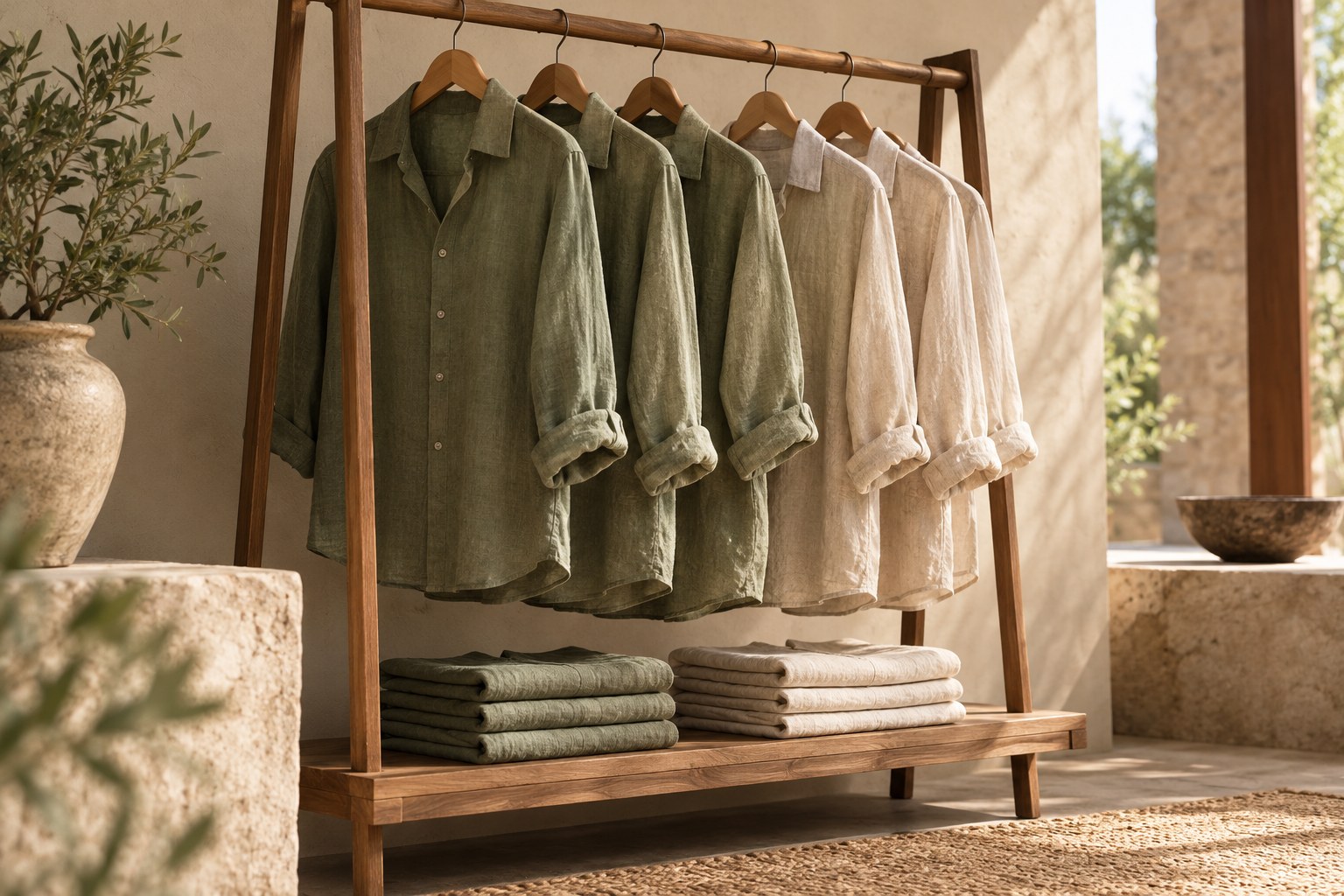
A hundred garments can sound like a cautious first order until they are divided across several styles, colours and sizes. The resulting assortment may leave too little stock in each combination to serve customers or reveal a clear preference. Small batch planning therefore begins with the structure of the offer, not just the total quantity. Map the combinations before negotiating minimums so the order can answer a useful commercial question.
Count the combinations customers can actually buy
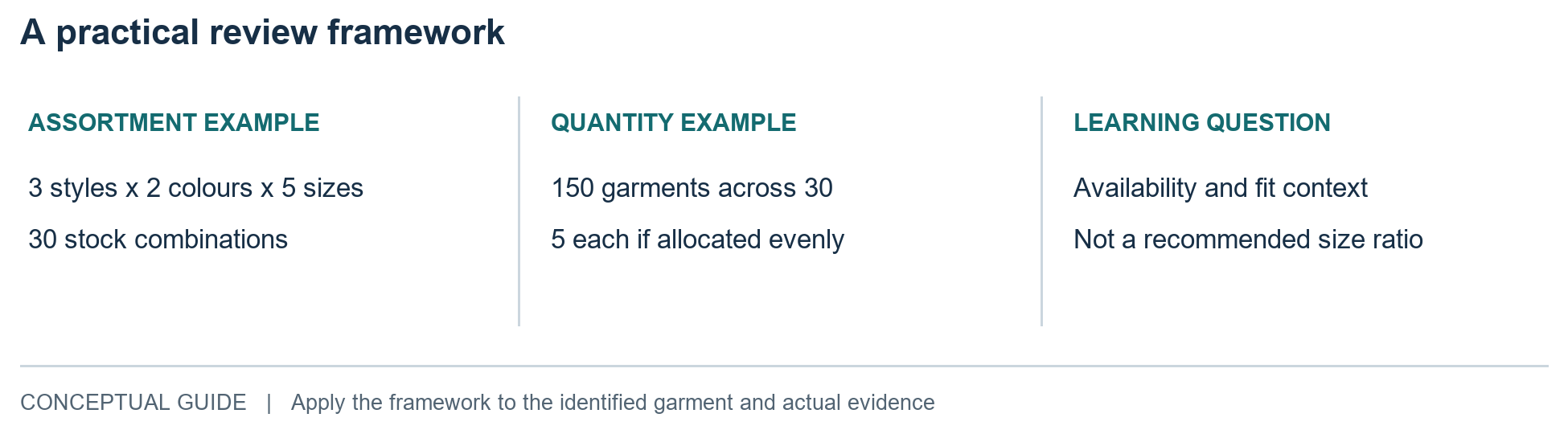
List each style, colour, size and length option. Multiply the dimensions to see how many separate stock combinations the collection creates. Use a simple hypothetical example: three styles, two colours and five sizes produce thirty combinations. An even allocation of 150 garments would provide five of each. This is arithmetic for examining an assortment, not a suggested size ratio or evidence of customer demand.
Check where choices are genuinely interchangeable. Two styles sharing a fabric may still require different patterns, trims and size assessments. A colour option adds more than a photograph if it needs separate material purchasing or shade approval. Make those commitments visible before calling the project small. The number of garments alone does not describe the operational work or the amount of useful stock available to each customer group.
Define the question the first run should answer
Choose a specific learning objective. The brand may need to test a silhouette, confirm a price proposition or understand fit within an identified audience. A first run that attempts all three through many unrelated products will be harder to interpret. State which evidence matters and which optional choices can wait. This makes reducing the assortment a deliberate decision rather than an emergency response to a supplier minimum.
The small batch manufacturing guide from Xuan Jia discusses the relationship between limited runs, materials and setup. Use it to prepare supplier questions, then confirm the actual minimum by style, colour and component. Small batch is a relative description, so a quoted overall minimum does not necessarily resolve the commitments inside each product combination.
Allocate sizes from relevant evidence
Use available customer measurements, past sales and fit requests where they are relevant to the new product. Record uncertainty when the brand has little history. Avoid borrowing a universal size ratio from another category or market without checking applicability. A first run needs a defensible assumption, but presenting an assumption as known demand can make later results difficult to interpret honestly.
Keep track of unavailable sizes during the launch. A size that sells out quickly stops generating ordinary sales observations, while a fully stocked size continues to accumulate them. Compare results with that context. Do not conclude that customers do not want a size simply because it sold fewer units after stock disappeared, or that a scarce option has proven unlimited demand from one rapid sale.
Check material and trim minimums separately
Ask what must be purchased before the sewing run can begin. Fabric, labels, buttons and other components can have their own minimums and unused balances. Record who owns any remainder, where it will be kept and whether it can support a repeat order. A small garment quantity can still create a larger material commitment that matters to the next production decision.
Consider shared materials only where they suit the products. Reusing a cloth can simplify purchasing, but it should not conceal a coverage or drape problem in one style. Review representative samples and relevant care outcomes. A reduction in stock complexity is useful when it preserves the customer proposition; it is less useful when several technically compromised garments are created to consume the same available roll.
Review the run before expanding the offer
Record sales, availability, fit feedback and quality concerns by the relevant combination. Separate the question of whether customers liked a product from whether enough suitable stock was offered. Identify what the order established and what remains unclear. A limited test can provide a valuable next question without supporting a confident forecast for every colour, size or future channel.
Before adding options, confirm that the successful core product can be repeated. Check material availability, current production timing and any approved changes. Expand only where the evidence and operational capacity support another commitment. A smaller coherent range can provide a more useful shopping experience than a broad catalogue of almost unavailable options, particularly while the brand is still learning which product differences its customers value.
Conclusion
Plan a small order through its stock combinations and learning objective. Make size assumptions explicit, check component minimums and interpret sales with availability in view. Use the first run to decide what deserves repetition before multiplying options. This keeps limited production focused on learning and usable stock rather than spreading a small quantity across an oversized catalogue.
Q&A
Is a small total quantity enough to limit risk
Not by itself. Review the number of combinations, component commitments and development work. A modest garment total can still create a complicated assortment and significant unused material.
Should every size receive the same quantity
Not automatically. Use relevant evidence and label uncertainty. An equal allocation is one possible assumption, not a universal demand pattern for every audience or garment.
Does a quick sellout prove the whole product range should expand
No. Review stock depth, exposure and customer feedback. Confirm what sold and why before assuming the same result will apply to additional colours, lengths or styles.


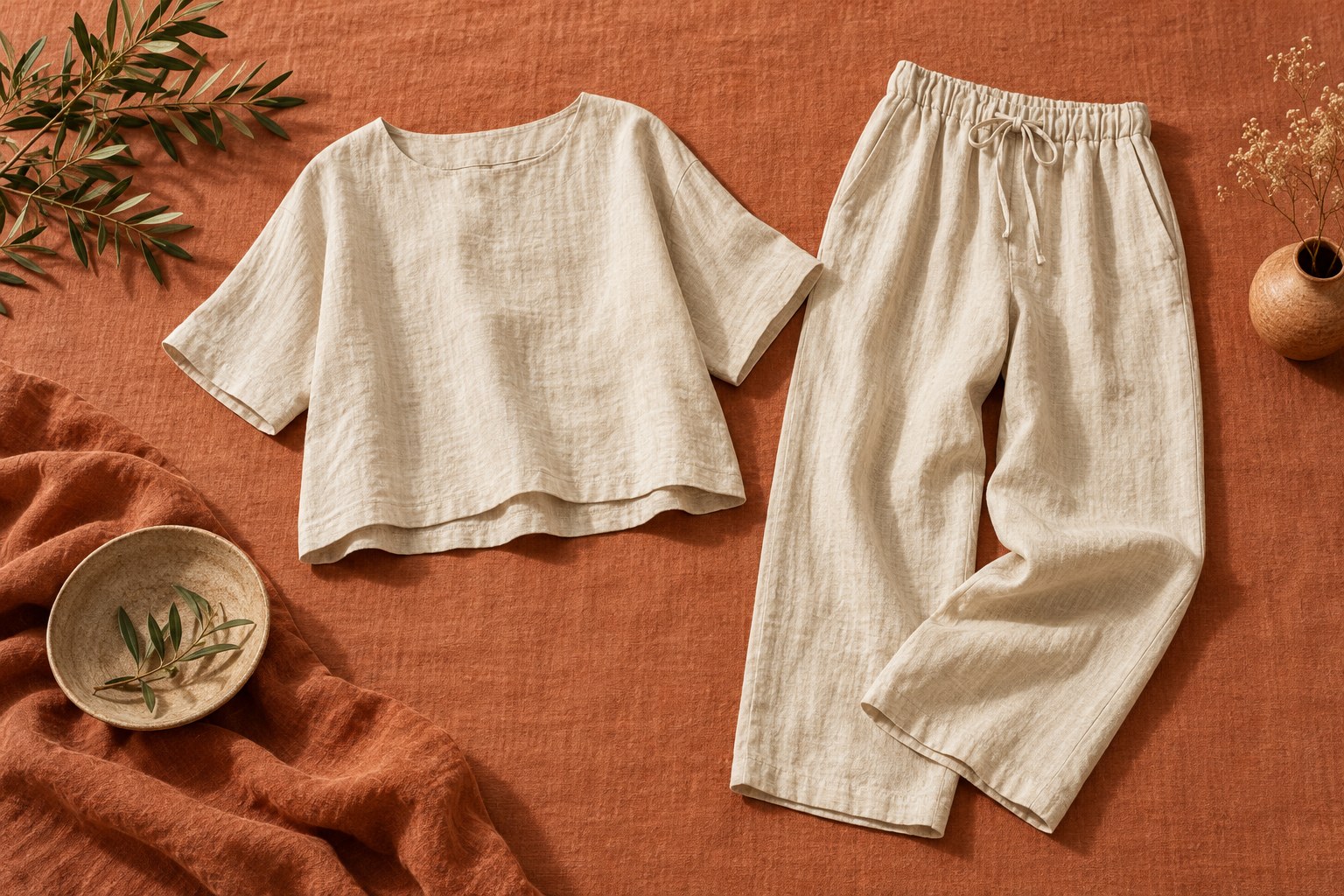

A dress or trouser sample can fit one model well while leaving the proposed size range unresolved. Scaling a pattern is a technical task, and a size label does not establish the body proportions th