


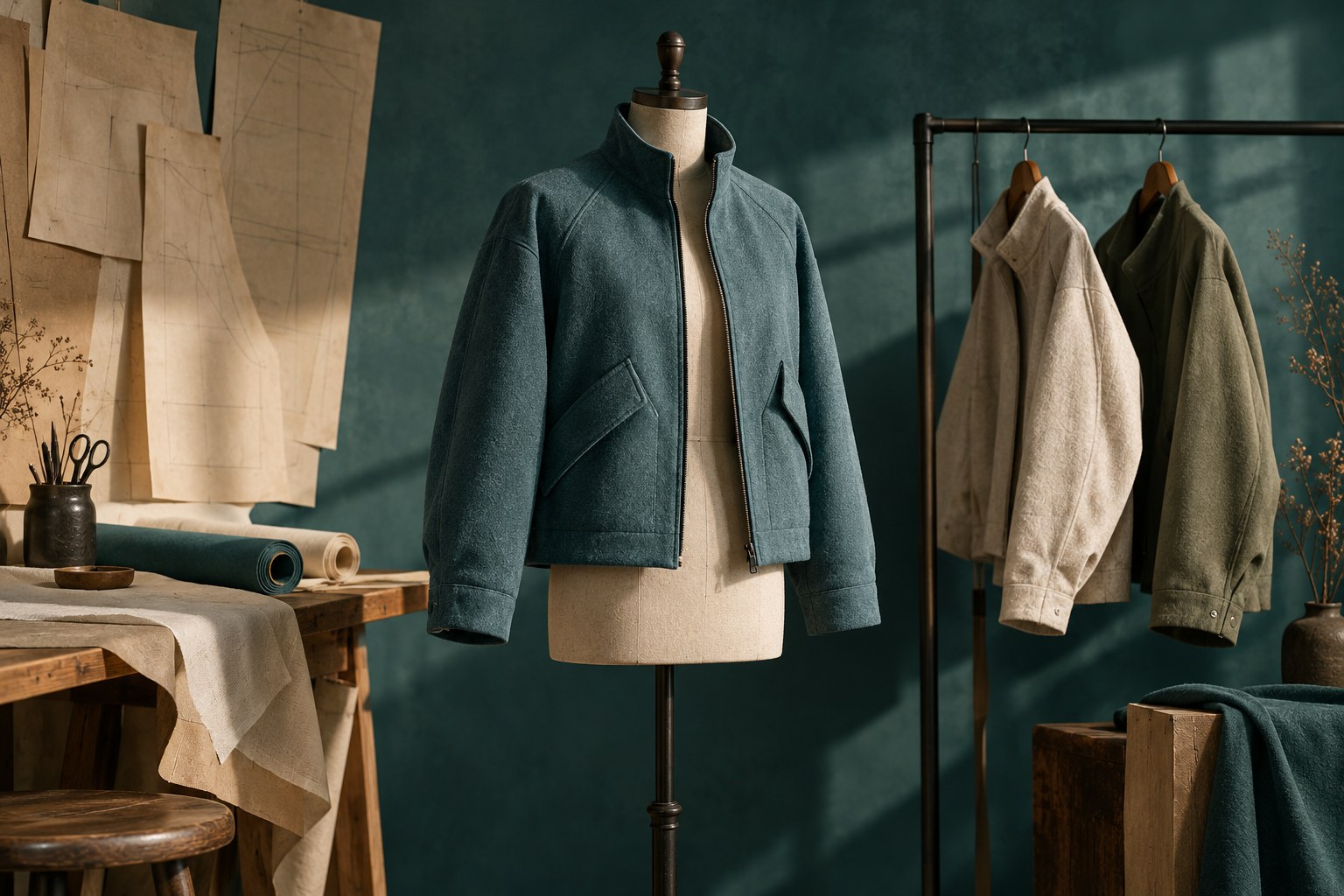
A collection can be coherent in a founder's imagination while leaving the customer problem unclear. Before commissioning several patterns and fabric options, identify who needs the proposed product and what existing choices fail to provide. This does not remove uncertainty, but it makes development more focused. A useful early test should produce a decision about the garment, rather than simply collect encouraging reactions to a brand name or visual mood.
Describe a customer situation rather than a broad audience
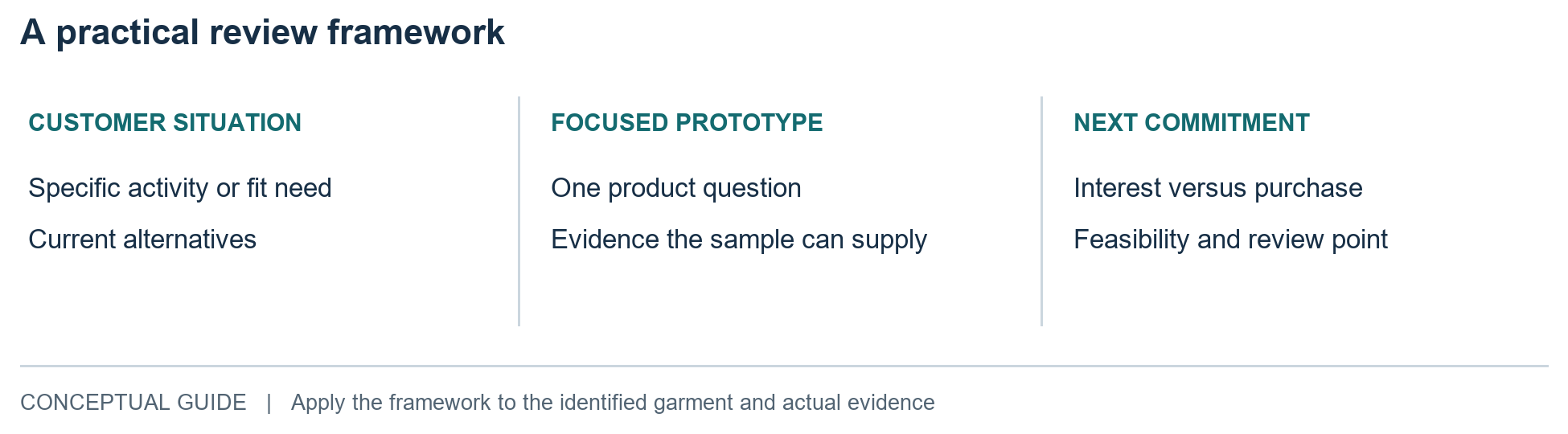
Start with a specific activity, fit concern or purchasing constraint. A description such as clothing for modern women is too broad to guide a sample. A more useful brief might concern a customer who needs a particular seated fit or an adaptable garment for a defined routine. Keep the description open to investigation; it is a hypothesis about a need, not evidence that a market exists.
Ask potential customers about current behaviour and specific frustrations. What do they wear now, when does it fail them and what have they tried instead? Avoid leading questions that make agreement easy. Someone saying that an idea sounds attractive has not necessarily shown a willingness to buy it at the proposed price or replace an existing favourite with the new garment.
Study alternatives at the relevant price and channel
Compare the products customers can actually choose, including imperfect substitutes. Record fit information, materials, presentation and service conditions that influence the purchase. The US Small Business Administration treats market research and competitive analysis as ways to understand customers and alternatives. For a clothing founder, the practical output is a clearer product gap, not a claim that the category has no competition because no other brand uses the same aesthetic.
Keep observations distinct from assumptions. A competitor's stock shortage may reflect demand, supply constraints or a deliberate assortment decision. A high listed price does not establish actual selling volume. Use the available evidence to refine questions and avoid inventing commercial results from a storefront. The project should become more specific as research accumulates, rather than merely collecting examples that support the original idea.
Choose one product that can test the proposition
Select a garment whose development can answer the most important customer question. Identify the essential fit, material or function and postpone optional extensions. The clothing brand launch guide from Xuan Jia outlines several steps between an idea and a first collection. Use that sequence as a planning prompt while keeping the initial product scope tied to your own evidence and resources.
Write a brief that explains what a prototype must demonstrate. If the intended benefit is a fit improvement, a graphic mockup cannot establish it. If the question concerns visual interest, an early concept review may be useful without pretending it is a garment performance test. Match the test to the uncertainty so development effort produces information that can change the next decision.
Separate interest from product validation
When showing a sample, ask people to use or assess it in the relevant way. Record what works, where it fails and which changes they request. Keep fit, comfort, appearance and price responses distinct. A positive reaction to colour should not be counted as approval of construction, and one successful fitting should not be generalized across an unreviewed size range.
If the brand tests demand through a landing page, event or other lawful offer, describe clearly what exists and what can be supplied. Do not imply that stock is available when it is still a concept. Track completed actions separately from casual attention. The useful result is a better understanding of the proposition and its limitations, not the largest possible number of loosely defined interested people.
Define what would justify the next commitment
Choose a review point and state the decisions that could follow: revise the brief, make another sample, test a limited release or stop the idea. Include technical feasibility and the resources needed to deliver the product. A strong customer need does not make an unworkable construction or unsupported delivery date feasible, so the product and supply evidence need to be considered together.
Keep a short record of what changed in the hypothesis. If the audience values a different feature from the one the founder expected, investigate that finding rather than forcing feedback back into the original narrative. The aim is not to prove the first idea correct. It is to identify a garment worth developing and a next step proportionate to the evidence available.
Conclusion
Test a clothing idea through a specific customer situation, relevant alternatives and one product question. Match prototypes and demand tests to the uncertainty they can resolve. Keep interest separate from purchase and technical approval, then choose the next commitment from the evidence. This gives a first collection a clearer foundation than developing a broad range around an untested story.
Q&A
Is a distinctive brand name enough to validate the idea
No. It may help presentation, but the product still needs a relevant customer need and a feasible way to deliver it. Investigate the garment proposition separately.
Should a founder develop several styles at once
Only when the scope and evidence justify it. One focused product can often answer an important early question before the brand commits to several development projects.
Does positive feedback mean the concept should launch
Not automatically. Identify what was assessed and by whom, then consider price, delivery and technical feasibility. Encouragement is useful context, not a substitute for a defined decision.

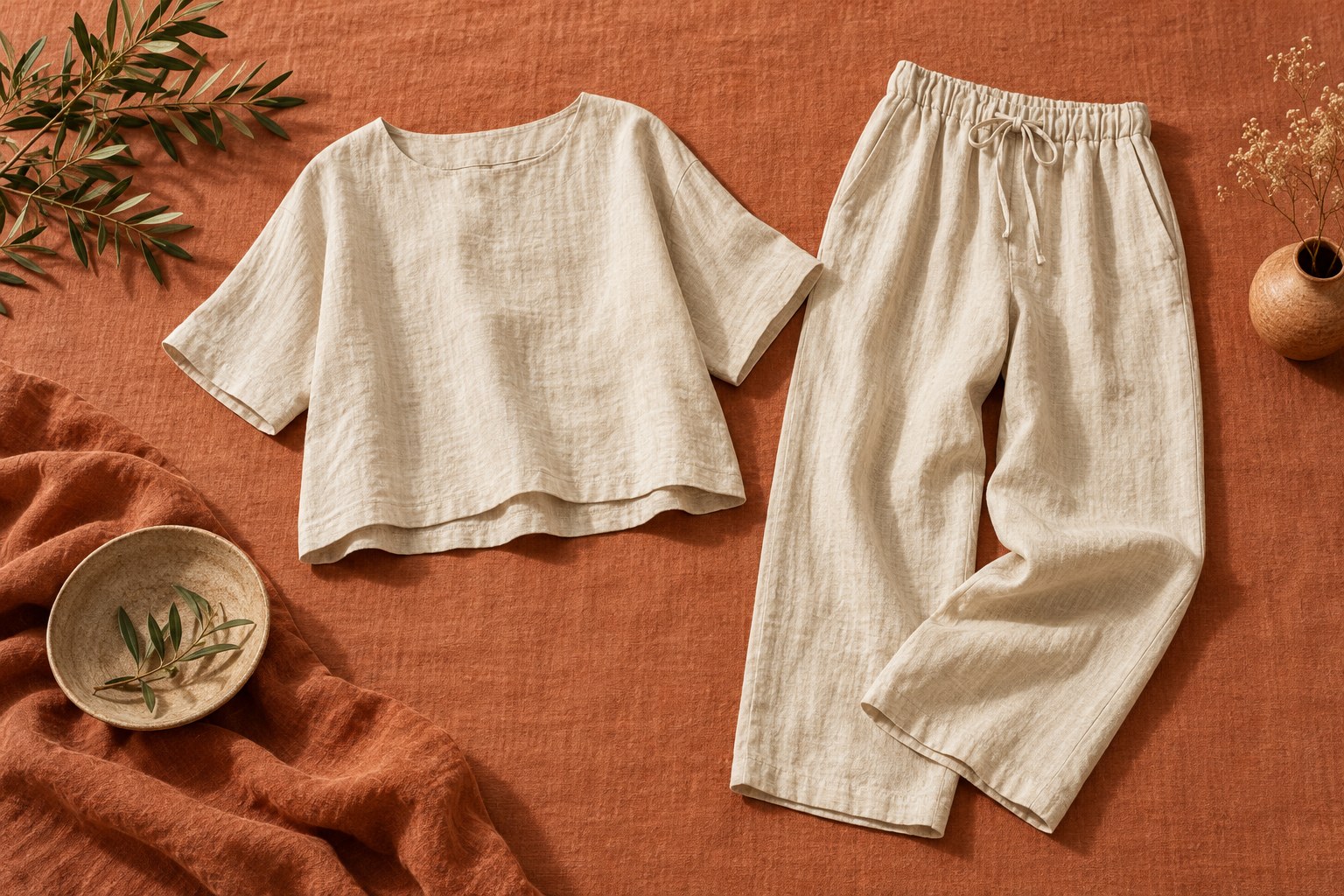


A shirt that feels pleasant during a short fitting may be less suitable after hours of sitting, movement and changing indoor conditions. Choosing between linen and cotton therefore needs a clearer