In the fast-paced world of commerce, accurate weighing is crucial. From warehouses and shipping centres to retail and industrial operations, businesses rely on weighing equipment that ensures precision, efficiency, and reliability. One of the most versatile tools in this space is the hanging scale. Popular for its simplicity, portability, and adaptability, a hanging scale is a must-have for businesses
What Is a Hanging Scale?
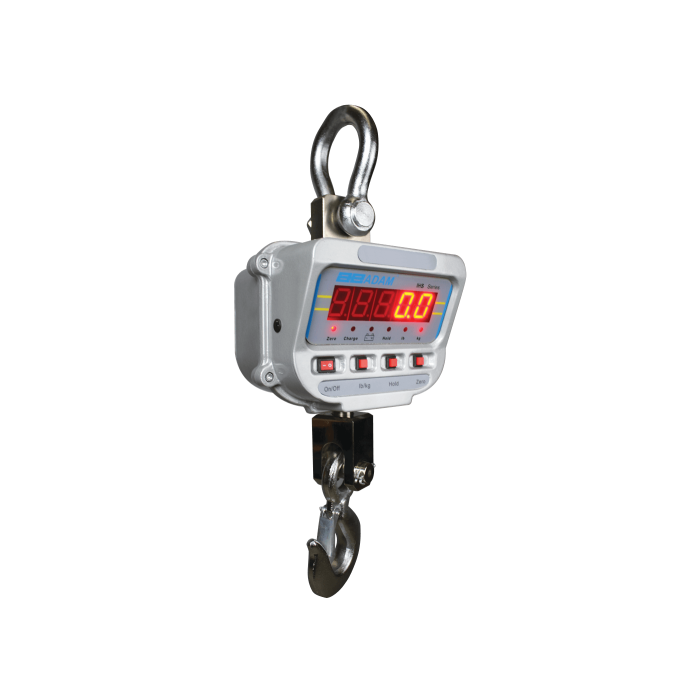
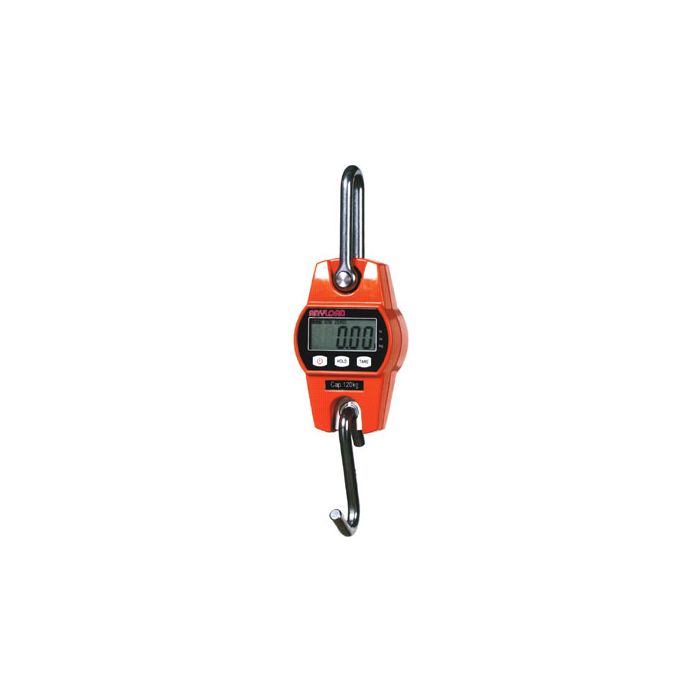
A hanging scale, sometimes called a spring scale or suspension scale, is a weighing device that measures the weight of an object while it is suspended from a hook or strap. Unlike platform scales where the object rests on a surface, hanging scales are designed to hold items in the air, making them ideal for heavy, bulky, or irregularly shaped goods.
Modern hanging scales often feature digital displays, while traditional models use mechanical springs to calculate weight.
How Hanging Scales Work
Hanging scales operate on one of two primary mechanisms: mechanical (spring-based) or digital (load cell-based).
1. Mechanical Hanging Scales
Mechanical scales use a spring or lever system to measure weight. The basic principle is Hooke’s Law, which states that the force needed to stretch or compress a spring is proportional to the distance it moves.
• How it works:
o The item is suspended from the scale’s hook.
o The weight stretches the spring inside the scale.
o A pointer on the dial moves to indicate the weight based on the spring’s deformation.
Advantages:
• No batteries required
• Simple to use
• Durable in rough environments
Limitations:
• Less precise than digital scales
• Can wear out over time
• Harder to read in low light conditions
2. Digital Hanging Scales
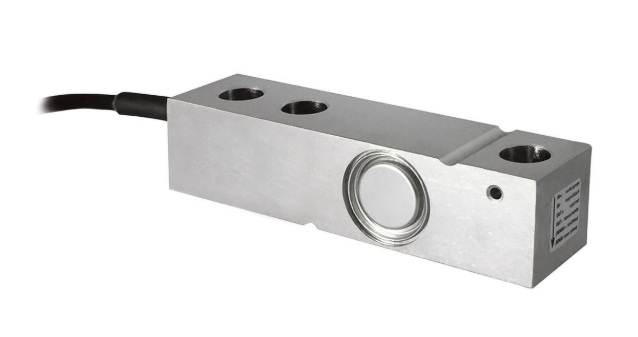
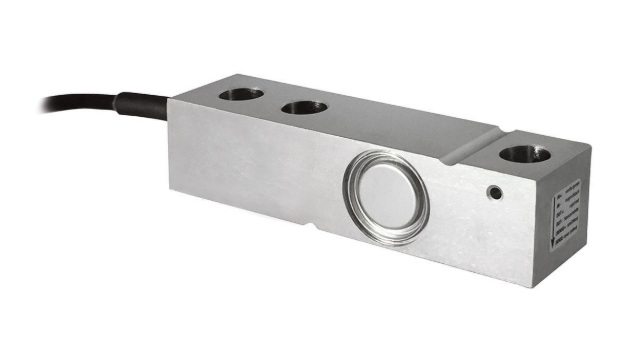
Digital scales use load cells to measure weight. A load cell is a transducer that converts the force of the hanging object into an electrical signal, which the scale’s processor interprets and displays digitally.
• How it works:
o The item hangs from a hook attached to the load cell.
o The load cell detects the tension caused by the weight.
o The scale’s digital processor converts the tension into a precise weight reading, usually displayed on an LCD screen.
Advantages:
• Highly accurate measurements
• Easy-to-read digital displays
• Can include additional features like unit conversion, tare function, data storage, and wireless connectivity
Limitations:
• Requires batteries or a power source
• More expensive than mechanical scales
• Sensitive to environmental factors like moisture or extreme temperatures
Key Features of Hanging Scales
When selecting a hanging scale for business use, consider the following features:
1. Capacity Range
o Hanging scales are available in capacities from a few kilograms to several tonnes.
o Choose a scale that exceeds the heaviest item you expect to weigh to ensure accuracy and safety.
2. Accuracy
o Look for a scale with a high degree of precision, especially for commercial transactions where weight discrepancies can affect revenue.
3. Display Type
o Digital displays offer clarity and convenience.
o Mechanical dials are robust but may be harder to read.
4. Durability and Build Quality
o Stainless steel or heavy-duty materials are ideal for industrial or outdoor use.
o Waterproof and dustproof designs extend the scale’s lifespan in challenging environments.
5. Tare Function
o This allows businesses to deduct the weight of containers, crates, or packaging for an accurate net weight reading.
6. Connectivity Options
o Some modern scales can connect to computers or point-of-sale (POS) systems to automate data recording.
Applications of Hanging Scales in Business
Hanging scales are versatile tools used across multiple industries:
1. Agriculture
Farmers and agribusinesses use hanging scales to weigh produce, livestock feed, or bulk grains. Their portability allows scales to be used in fields, silos, or storage areas.
2. Logistics and Shipping
Shipping centres and freight companies use hanging scales to weigh parcels and packages before dispatch. This ensures accurate freight charges and compliance with shipping regulations.
3. Retail and Wholesale
Markets, butcher shops, seafood counters, and bulk food suppliers benefit from hanging scales to weigh products efficiently while printing labels for customers.
4. Industrial Manufacturing
In factories, hanging scales measure raw materials, components, or heavy equipment parts, helping streamline production processes and inventory management.
5. Construction
Construction sites use hanging scales to weigh heavy materials like cement bags, pipes, or metal parts, ensuring proper load management and safety during transport.
Advantages of Using Hanging Scales
Hanging scales offer several advantages for businesses:
• Portability: Easy to carry and use in different locations.
• Versatility: Can weigh a wide range of objects, from small parcels to large industrial items.
• Space-Saving: No platform needed; ideal for businesses with limited floor space.
• Time Efficiency: Quick to use, reducing processing time for inventory, shipping, or retail sales.
• Durability: Many hanging scales are built to withstand tough industrial environments.
Choosing the Right Hanging Scale for Your Business
When selecting a hanging scale, consider:
1. Weight Range: Make sure the scale can handle the heaviest items in your operation.
2. Accuracy Needs: Businesses that sell by weight or use scales for shipping need higher accuracy.
3. Environment: Choose scales resistant to moisture, dust, or extreme temperatures if needed.
4. Digital vs. Mechanical: Digital scales offer convenience and advanced features, while mechanical scales are rugged and battery-free.
5. Additional Features: Tare function, connectivity, data logging, and label printing can enhance efficiency.
Maintenance Tips for Hanging Scales
Proper care ensures accurate and long-lasting performance:
• Regular Calibration: Periodically calibrate your scale to maintain precision.
• Avoid Overloading: Never exceed the maximum capacity to prevent damage.
• Clean After Use: Remove dust, dirt, and moisture from the scale, especially after weighing produce or chemicals.
• Check Hooks and Straps: Inspect for wear and tear to maintain safety and accuracy.
• Battery Care: For digital scales, replace batteries regularly and avoid leaving the scale unused for long periods with batteries installed.
Final Thoughts
Hanging scales are an indispensable tool for businesses across agriculture, retail, logistics, and industrial sectors. By understanding how hanging scales work, the types available, and their key features, business owners can make informed decisions to enhance efficiency, accuracy, and safety.
Whether you choose a mechanical spring scale for rugged simplicity or a digital load-cell scale for high-precision applications, hanging scales help streamline workflows, reduce errors, and improve operational productivity.
Investing in the right hanging scale tailored to your business needs not only saves time and money but also ensures compliance, customer satisfaction, and seamless day-to-day operations.