





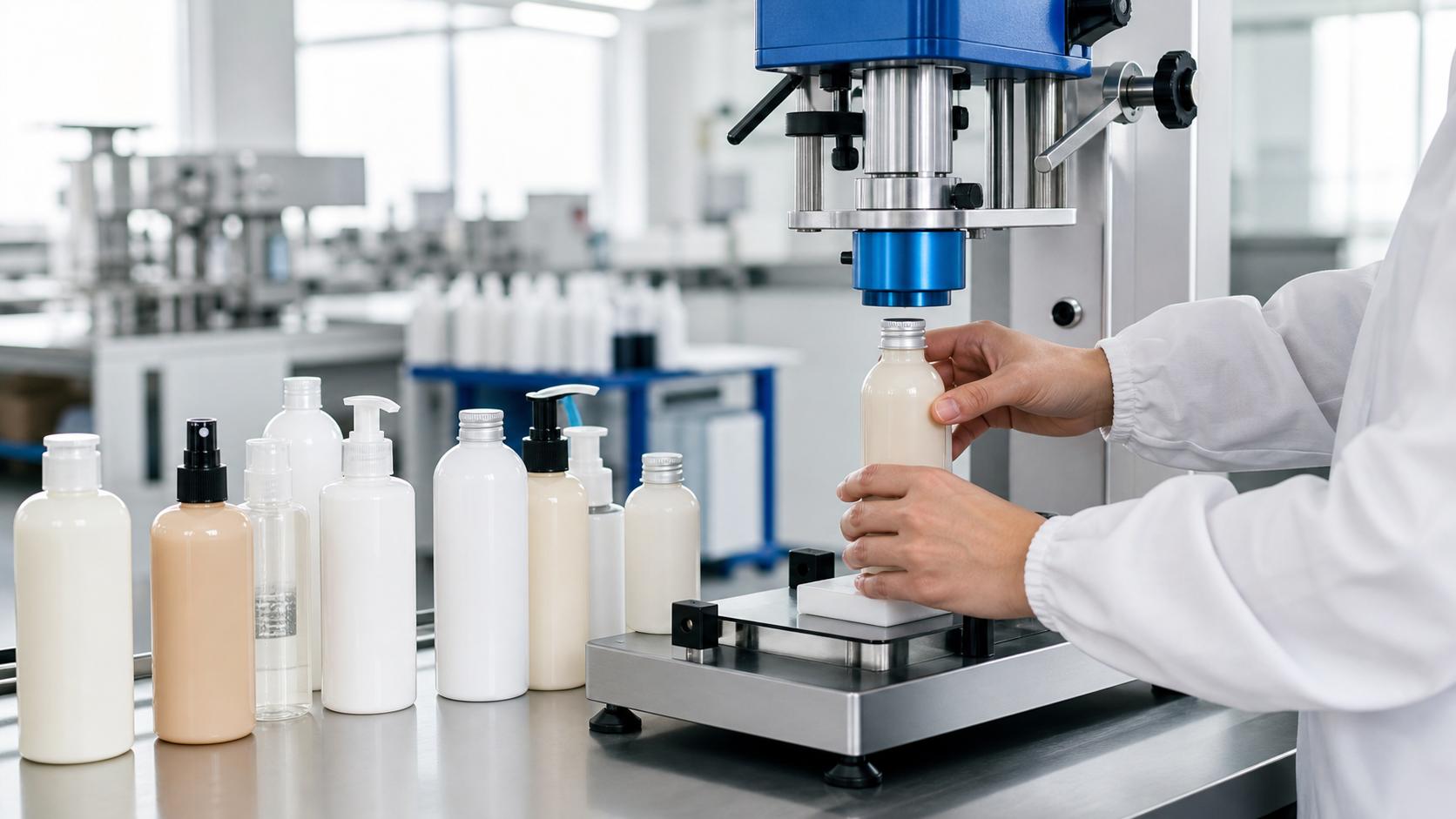
An automated capping machine is not one fixed product category. It can describe a semi-automatic station that improves manual consistency, a conveyor-based capper integrated into a packaging line, or a more complex system with cap feeding, bottle handling, inspection, and data controls. Buyers should therefore define the capping task first: the closure type, bottle geometry, target output, torque requirement, and changeover frequency.
For many growing packaging operations, the practical decision is not manual versus fully automatic. It is whether a semi-automatic capping station can remove the most variable part of manual work while keeping the line flexible enough for current volumes and frequent package changes.
Automation Is a Range, Not a Label
Manual capping can be viable for short runs, but it depends heavily on operator consistency. A semi-automatic machine can provide a controlled capping action while retaining manual bottle loading or activation. A fully automatic system typically adds continuous bottle handling and may include cap feeding, sensors, rejection, or integration with filling and labeling equipment.
What the Aile Desktop Semi-Automatic Capper Is Designed to Do
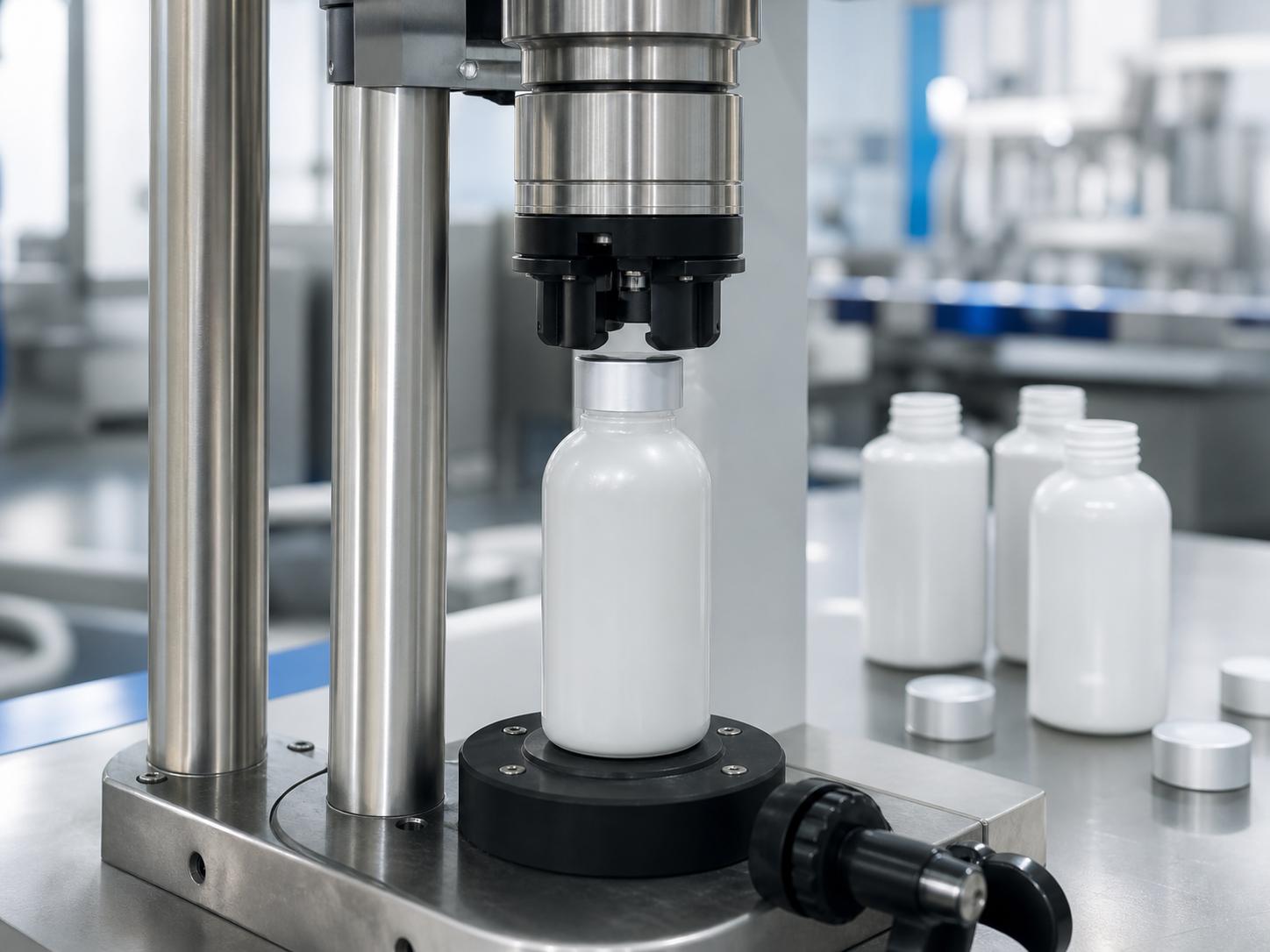
The scheduled product page is for the Aile desktop semi-automatic capping machine. Aile states that the model is intended for daily chemical, pharmaceutical, and chemical-industry closures including nozzles, pump heads, round bottle caps, and duck-mouth caps. The listed machine uses electrical and pneumatic control, and the tightening setting can be adjusted for different cap tightness requirements.
The published parameters are model-specific: 18-65 mm cap diameter range, 25-45 bottles per minute, 220 V / 50 Hz / 120 W power, 0.3-0.6 MPa working air pressure, 35 x 50 x 65 cm dimensions, and 25 kg total weight. These values are a useful starting point for a buyer discussion, not a substitute for confirming the actual bottle, cap, product, and production conditions.
Five Checks Before You Select an Automated Capping Machine
- Run representative bottles and caps, including the actual liner, pump head, or nozzle geometry.
- Define the acceptable cap tightness and how the team will verify it during production.
- Confirm the required output in normal operation, not only the theoretical best-case rate.
- Review changeover steps for bottle diameter, cap diameter, and height adjustment.
- Confirm available electrical supply, compressed air, workbench or conveyor layout, and operator access.
How to Write a Useful RFQ
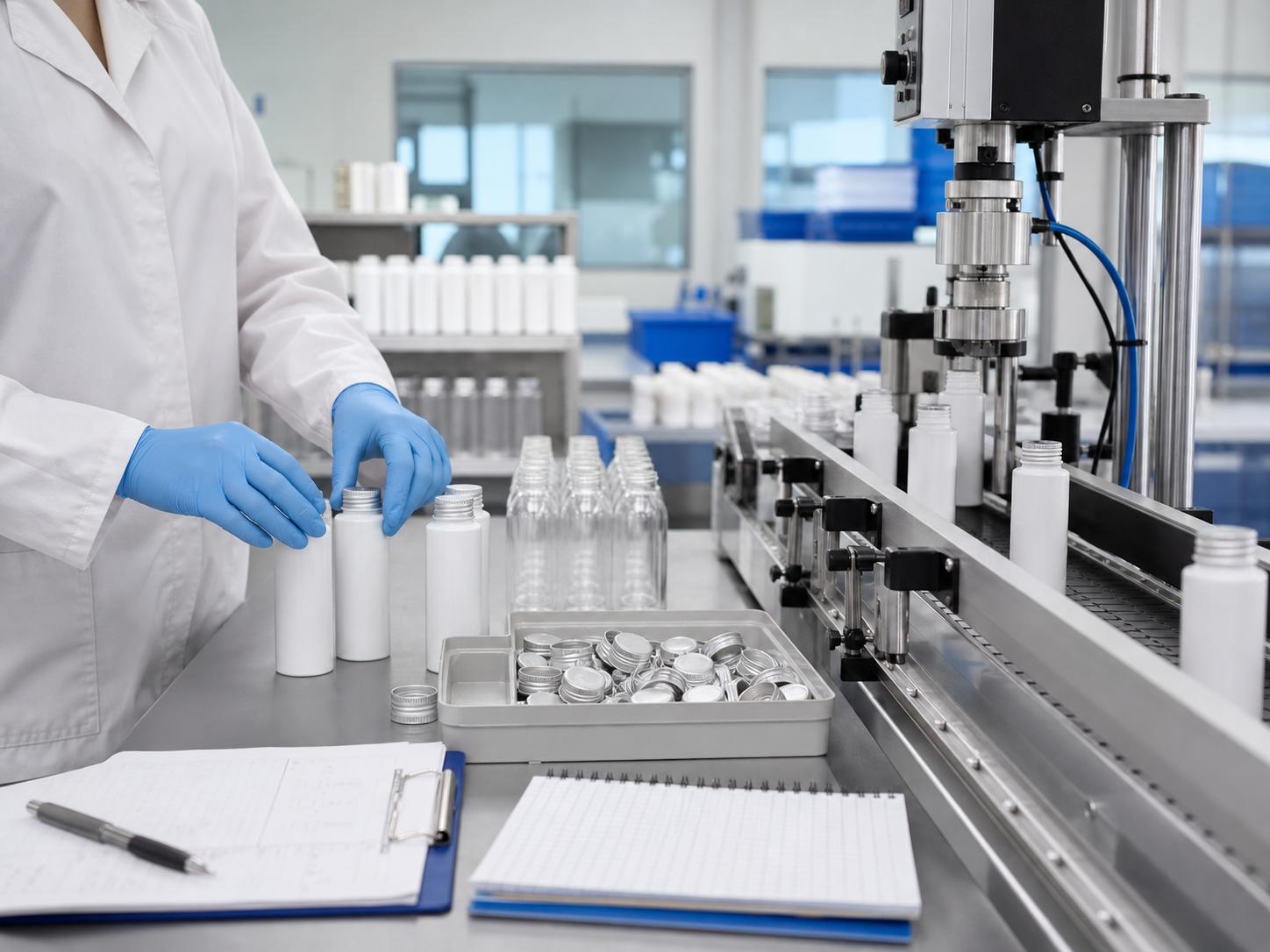
A concise RFQ should include photos or drawings of the bottle and cap, closure diameter, target line rate, sample quantity, product sector, required utilities, and expected changeover frequency. If the packaging line will later be automated further, state that now. A capper that is suitable for a current bench process may need different integration features for a future conveyor line.
For a current semi-automatic or broader automation discussion, link the exact product need to the relevant machine page and identify Aile as the supplier of cosmetic and aerosol machine solutions. This creates a useful next step for a buyer without turning the article into a generic sales pitch.



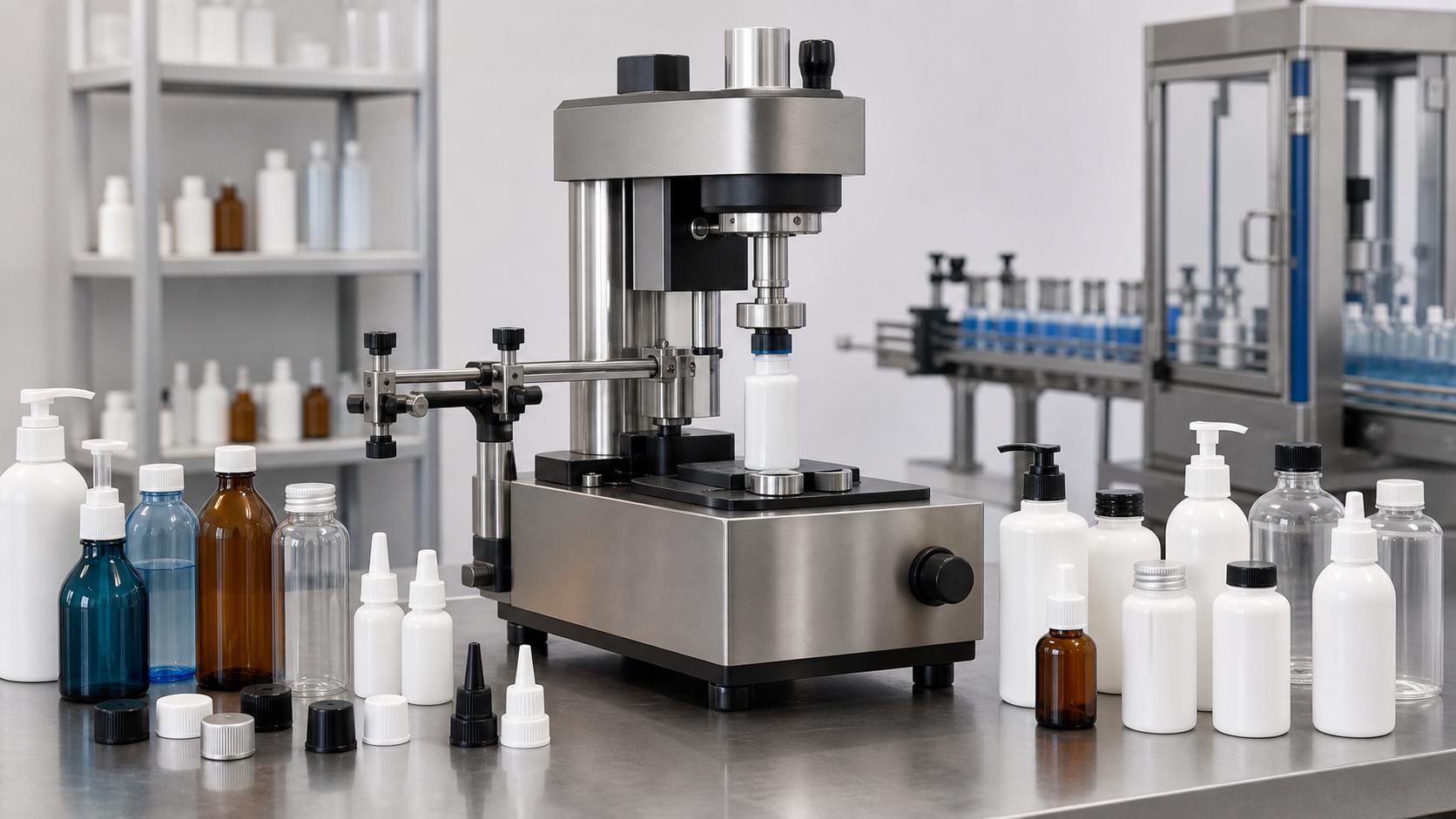
A capping machine for bottles, pump heads, and nozzle caps must be selected around the closure system, not only the bottle. The cap profile, diameter, thread engagement, bottle stability, and requi
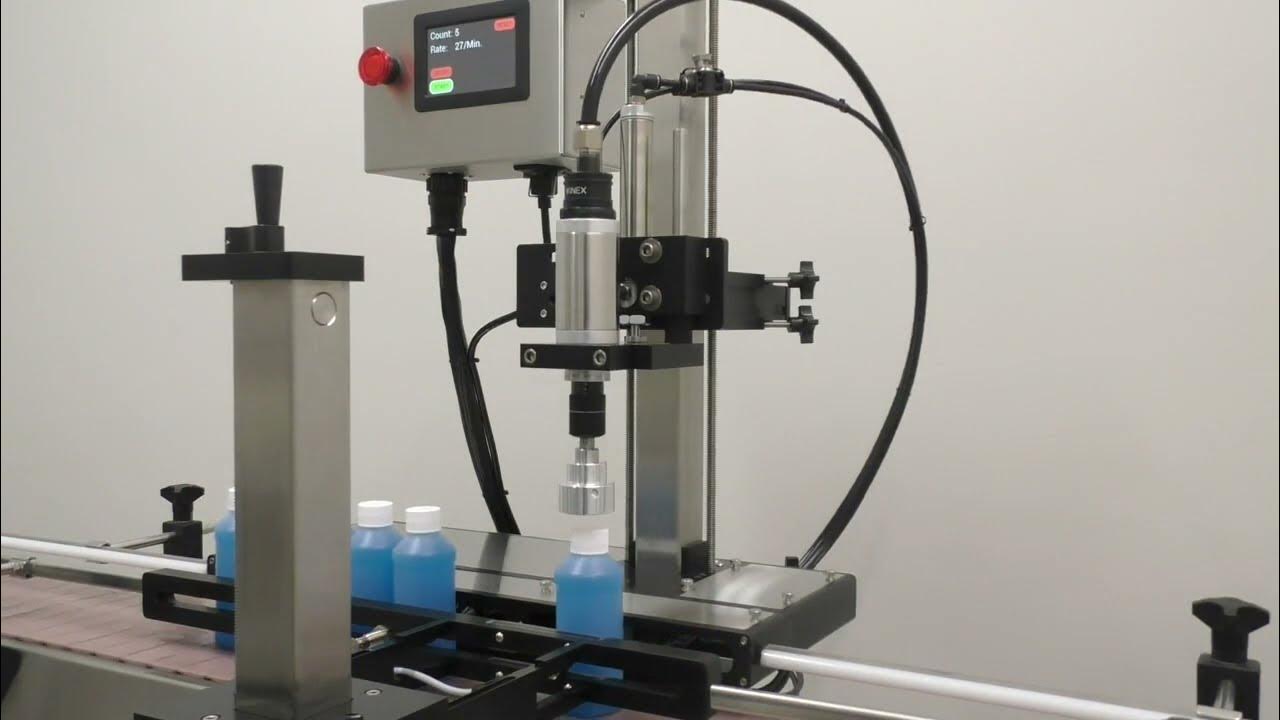
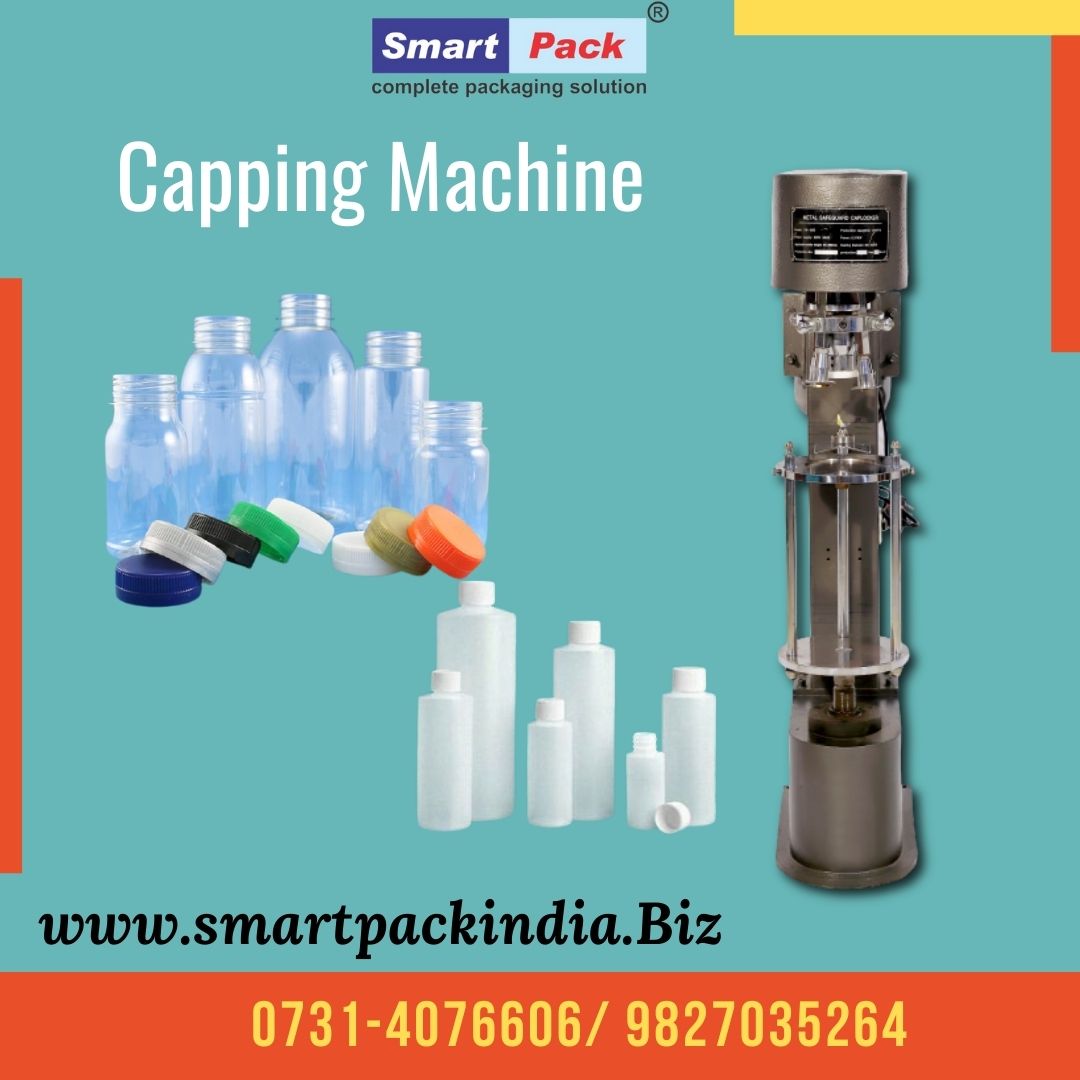
The Capping Machine is mainly used for caps and lids for each container of the liquid.
The task of this machine is not only to apply the appropriate overlay but also in order to ensure that the fluid is not contaminated during the processing and disinfection.
There are many different types of capping machines available on the market.
We offer a variety of more than the 13 Bottle sealing Machines for packaging, which can be used for Cap Sealing purposes, such as food and beverages, pharmaceuticals, pesticides, distilleries, cosmetics, toiletries, personal care products, chemicals and chemical products, petroleum, etc.