





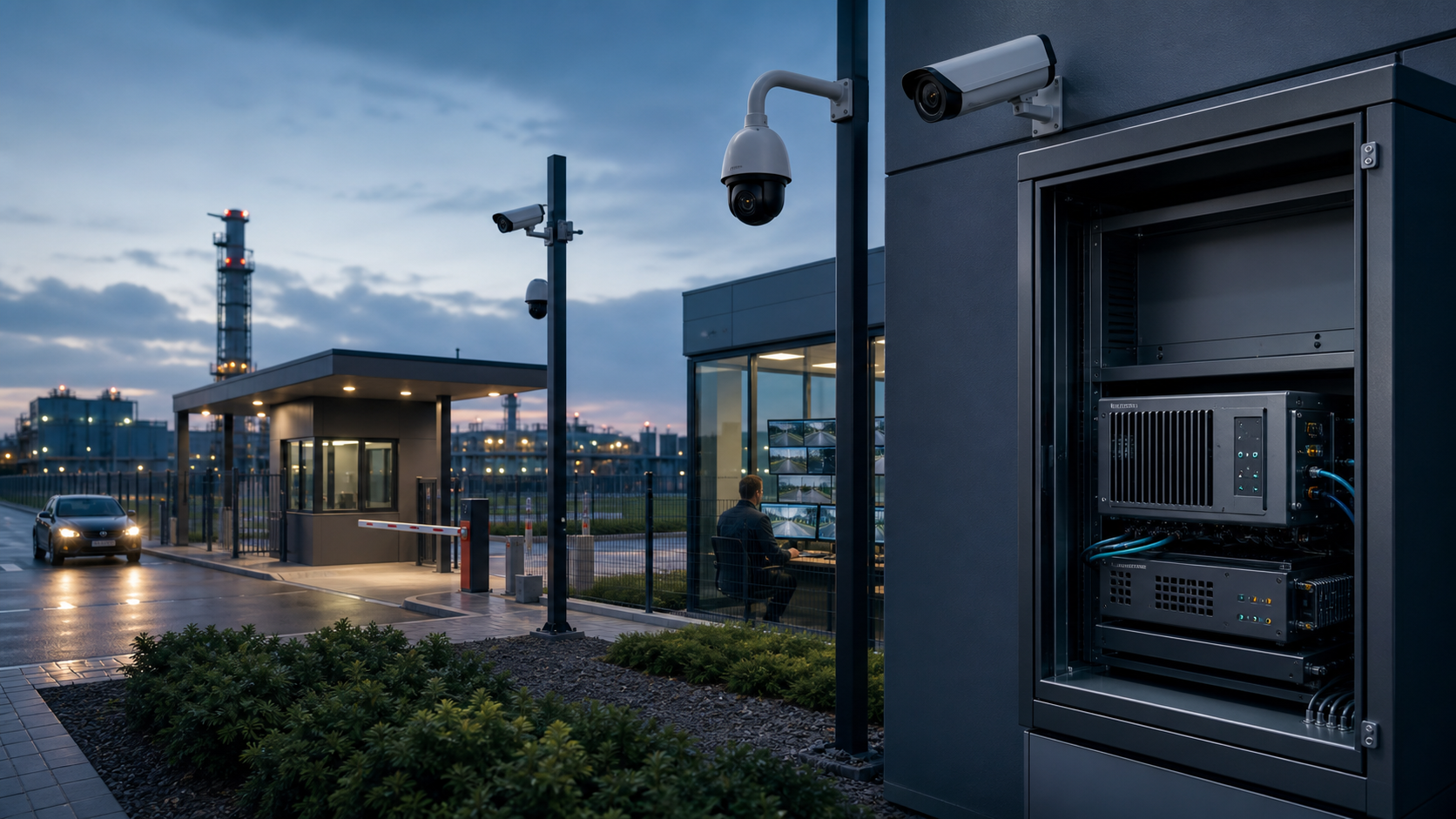
Intelligent security systems benefit from local AI analysis when they must detect events quickly, keep selected functions running during network outages, reduce continuous video transfer, or apply privacy controls before data leaves a site. Local processing does not automatically make a system secure or accurate. Buyers still need a validated camera design, end-to-end timing, cybersecurity, retention policy, fault monitoring, and trained people who verify and respond to alerts.
For Intelligent security systems, the useful question is not “How many AI cameras can the box handle?” It is “Which events must be detected, with what evidence and response, under which site conditions?”
Quick Security System Decisions for Intelligent Security Systems
- Protected objective: people, perimeter, process area, inventory, vehicle route, or critical equipment.
- Event: intrusion, loitering, wrong-way movement, object removal, fall, smoke cue, PPE condition, or camera tamper.
- Response: operator verification, announcement, dispatch, access-control action, or recorded evidence.
- Timing: maximum event age before the response loses value.
- Camera topology: field of view, overlap, lighting, resolution, frame rate, interface, and cable.
- Data policy: continuous recording, event clips, metadata, privacy transformation, and retention.
- Resilience: behavior during network, camera, storage, power, or AI faults.
- Governance: who approves models, reviews alerts, changes thresholds, and audits performance.
These points should appear in the project brief and acceptance test. A generic AI-security demonstration cannot prove suitability for a real facility.
Define the Security Event and Human Action
An event description should identify the zone, object or behavior, time condition, evidence, and recipient.
Example:
“Create a high-priority event when a person enters the fenced loading zone outside the authorized schedule, persists for more than three seconds, and is confirmed by a second frame sequence. Send the operator a timestamp, camera, zone, confidence, and 10-second evidence clip.”
This specification can be tested. “Detect intruders with AI” cannot.
Use escalation levels
- Information: recorded for review.
- Advisory: operator checks when available.
- Priority: operator verifies immediately.
- Critical: triggers a documented response, potentially with an independent rule or sensor.
Do not allow a model confidence score alone to define the consequence. Response design should consider false positives, missed events, legal limits, and the risk of automated action.
Why Analyze Video Locally?
Lower response delay
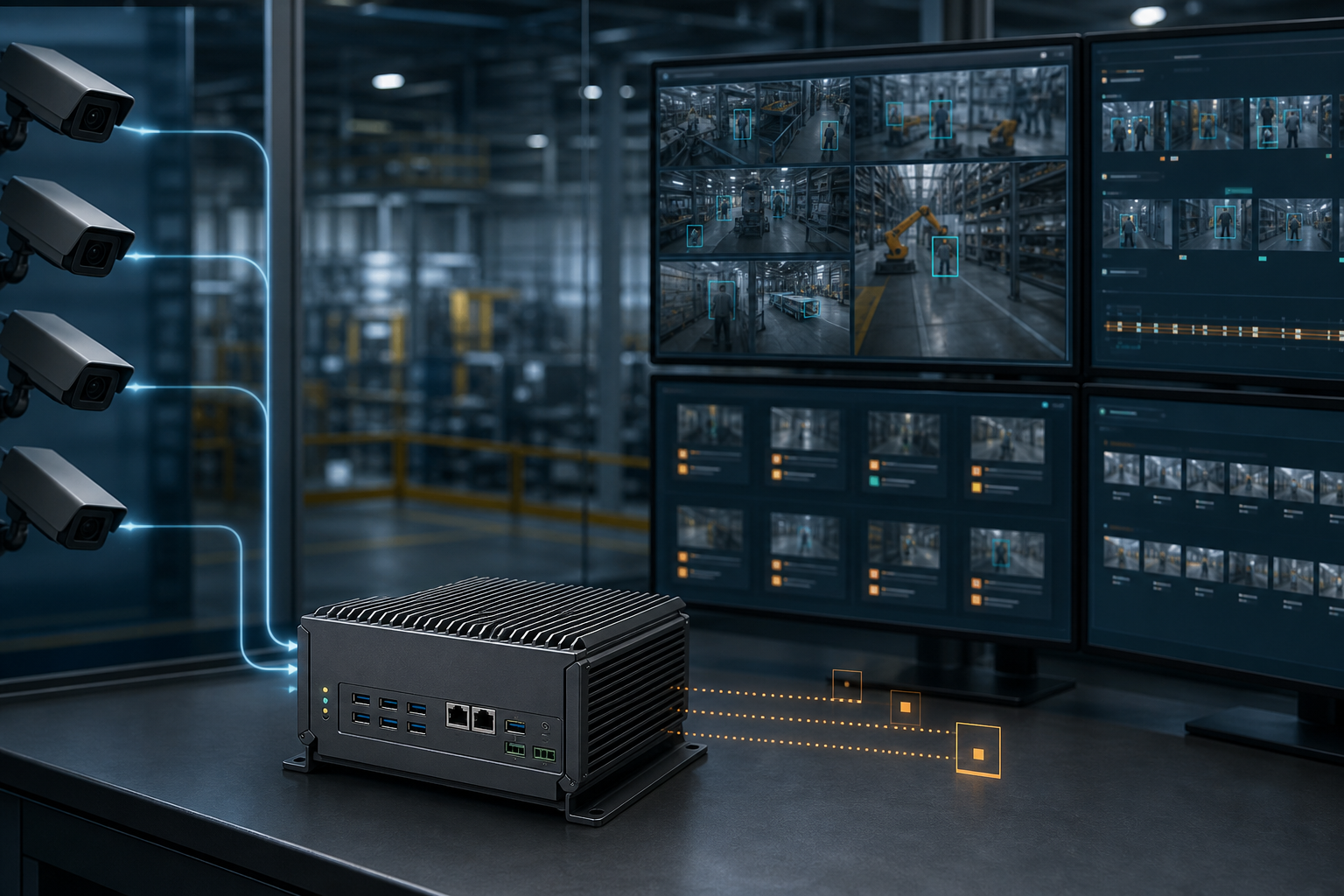
Local inference can shorten the data path for events that need a rapid on-site response. Measure the complete path from camera capture to the operator or consuming controller; inference time alone is incomplete.
Lower routine bandwidth
The edge node can transmit metadata and selected clips instead of every continuous raw stream, where policy permits. This can make remote monitoring more practical at bandwidth-constrained sites.
Continued local operation
The system can keep selected event rules, recording, and buffering active during a wide-area network outage. The outage behavior must be designed and tested.
Data minimization
Local processing can support masking, filtering, or limited transmission before data leaves the facility. Privacy and lawful-use decisions still require the appropriate legal and organizational review.
Engineering note: Local analysis changes where risks are managed. It does not remove the need for secure updates, access control, encryption, and audit logging.
Camera Design Comes Before Compute
AI cannot recover detail that the camera never captured. Site survey and image quality are the foundation.
Field of view and pixel coverage
Define the smallest object or feature the system must recognize, its expected distance, and the required coverage. Wide views may reduce useful detail; narrow views can create blind zones.
Lighting and exposure
Test daylight, night, glare, headlights, reflections, flicker, shadows, and transitions. The correct camera setting may differ between observation and AI inference.
Placement and maintenance
Consider vibration, tampering, dirt, rain, insects, vegetation, moving equipment, and access for cleaning. Monitor obstruction and scene shift so a camera that is online but unusable is not treated as healthy.
Interface and synchronization
Record camera model, interface, resolution, frame rate, cable, timestamp source, and synchronization. Multi-camera tracking and overlapping views can require tighter timing than independent zone detection.
Size the Multi-Camera Pipeline
Step 1: Calculate input load
List all camera modes and whether streams are raw or compressed. Include decoding, copying, color conversion, and any simultaneous recording.
Step 2: List AI and event workloads
- Detection or segmentation.
- Tracking.
- Re-identification where lawful and justified.
- Zone, direction, dwell, or count logic.
- Privacy transformation.
- Evidence encoding.
- Health monitoring.
Step 3: Include background services
Storage, encryption, network transfer, dashboards, logging, remote management, and software updates consume shared resources.
Step 4: Test all streams together
Measure dropped frames, event latency, CPU and accelerator use, memory, storage, temperatures, and network. Repeat with difficult scenes and simultaneous events.
Common mistake: Treating the number of physical camera ports as the supported analytics capacity.
Where the TWOWIN T808P-G Can Fit
The TWOWIN T808P-G page describes a Jetson Orin NX-based edge computer with optional 70/100 TOPS configurations and eight GMSL2 camera interfaces. It also lists a wide published operating-temperature range, peripheral interfaces, positioning options, PoE-related features, and vehicle-oriented power behavior.
The model can be a candidate for a multi-camera mobile, perimeter, industrial, or transport-related security system when the cameras, drivers, workload, enclosure, power, and environment match. Many fixed facilities use Ethernet or PoE camera networks rather than GMSL2, so the physical topology should be confirmed before selecting this model.
Candidate-fit questions
- Are the intended cameras GMSL2, Ethernet, USB, or another interface?
- Must cameras be synchronized?
- How many streams are analyzed and recorded simultaneously?
- What models and frame rates are required?
- Is the node in a vehicle, cabinet, control room, or exposed enclosure?
- Which network, storage, CAN, serial, or positioning functions are needed?
- What software image and update policy will be used?
If the camera interface does not match, use another model or architecture rather than adapting the project around the computer.
Plan Storage and Evidence
Continuous recording
Useful when policy, investigation, or operations require a complete timeline. It creates significant storage, retention, access, and cybersecurity responsibilities.
Event recording
Stores a defined window before and after an event. The system needs a buffer, trustworthy time, event prioritization, and behavior for simultaneous alerts.
Metadata only
Counts, object classes, zones, health, and event status can support dashboards with much less bandwidth. Metadata may still be sensitive and should be governed accordingly.
Define what happens when storage is nearly full, a disk fails, the clock changes, or an operator marks an event for retention.
Cybersecurity Is Part of Physical Security
An intelligent camera system is also a network of computers, software, credentials, and data.
Minimum control areas
- Unique device identities and credentials.
- Network segmentation and least privilege.
- Authenticated, controlled software updates.
- Encryption where required.
- Secure remote access with auditable actions.
- Log retention and time synchronization.
- Vulnerability disclosure and patch process.
- Physical protection of edge nodes and storage.
- Tested backup, restore, and device replacement.
ETSI security guidance emphasizes the heterogeneous and multi-stakeholder nature of edge environments. Buyers should establish end-to-end ownership rather than assuming the camera vendor, AI vendor, network provider, or integrator covers every layer.
Keep a Human Verification Loop
AI can prioritize attention, but operators need clear evidence, event definitions, and a response playbook.
Operator view
Show the camera, zone, time, event type, confidence or quality information, and relevant clip. Avoid presenting an unsupported label as certainty.
Feedback
Record whether the event was confirmed, rejected, duplicated, or unreviewable. Use this information to adjust placement, thresholds, models, and training.
Workload
Measure alerts per hour, review time, and high-priority response. A detector can appear accurate while producing too many low-value alerts for the available staff.
Acceptance Test
Coverage
- Required zones and object sizes are visible.
- Day, night, glare, weather, and obstruction conditions are tested.
- Camera tamper or view loss is detected.
Analytics
- Event definitions are tested with approved scenarios.
- False positives and misses are recorded by condition.
- End-to-end event latency meets the requirement.
- Tail latency and simultaneous events are evaluated.
Resilience
- Network outage and backlog recovery.
- Camera disconnect or frozen stream.
- Storage full or failed.
- AI process restart.
- Power interruption and controlled recovery.
- Failed update and rollback.
Operations
- Operator workflow and escalation tested.
- Model and configuration versions recorded.
- Access and retention reviewed.
- Spare-device provisioning and restore demonstrated.
Frequently Asked Questions
Is local AI more private than cloud AI?
It can reduce the raw data sent off-site and support local masking, but privacy depends on collection, purpose, access, retention, security, and lawful use. Local storage can still contain sensitive information.
Does an eight-camera input guarantee eight AI streams?
No. Capacity depends on camera modes, decoding, models, tracking, recording, memory, software, and thermal conditions. Demonstrate all intended streams and services together.
Should security AI trigger access control automatically?
Only after risk, legal, safety, false-alarm, and fallback requirements are addressed. Many systems use AI to prompt human verification or combine it with an independent rule or credential.
What should a supplier demonstration include?
Use the intended cameras and workload, test the defined events and difficult site conditions, measure end-to-end latency and dropped data, and demonstrate faults, update rollback, and recovery.
Build the System Around Events, Evidence, and Response
TWOWIN can evaluate an edge-computing request when the brief includes camera interfaces and modes, event definitions, model workload, latency, recording, storage, network, power, environment, software baseline, cybersecurity, and acceptance criteria. Use those inputs to determine whether the T808P-G or another edge-computer configuration matches the site.
References and Sources
- TWOWIN, NVIDIA Jetson Orin NX 8xGMSL2 T808P-G product page.
- NVIDIA Developer Blog, Implementing Real-Time Multi-Camera Pipelines with NVIDIA Jetson.
- ETSI, Multi-access Edge Computing security guidance.
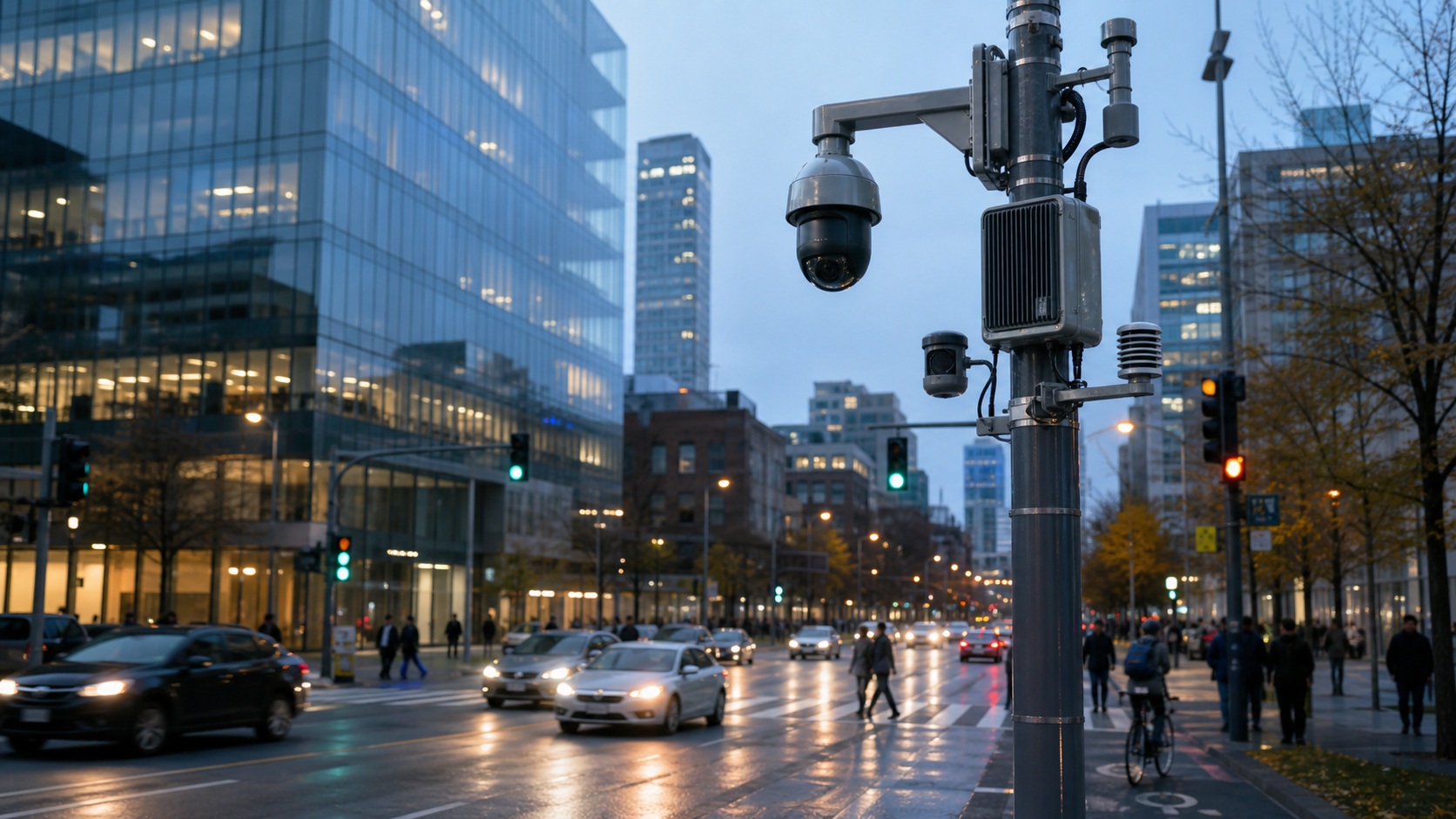
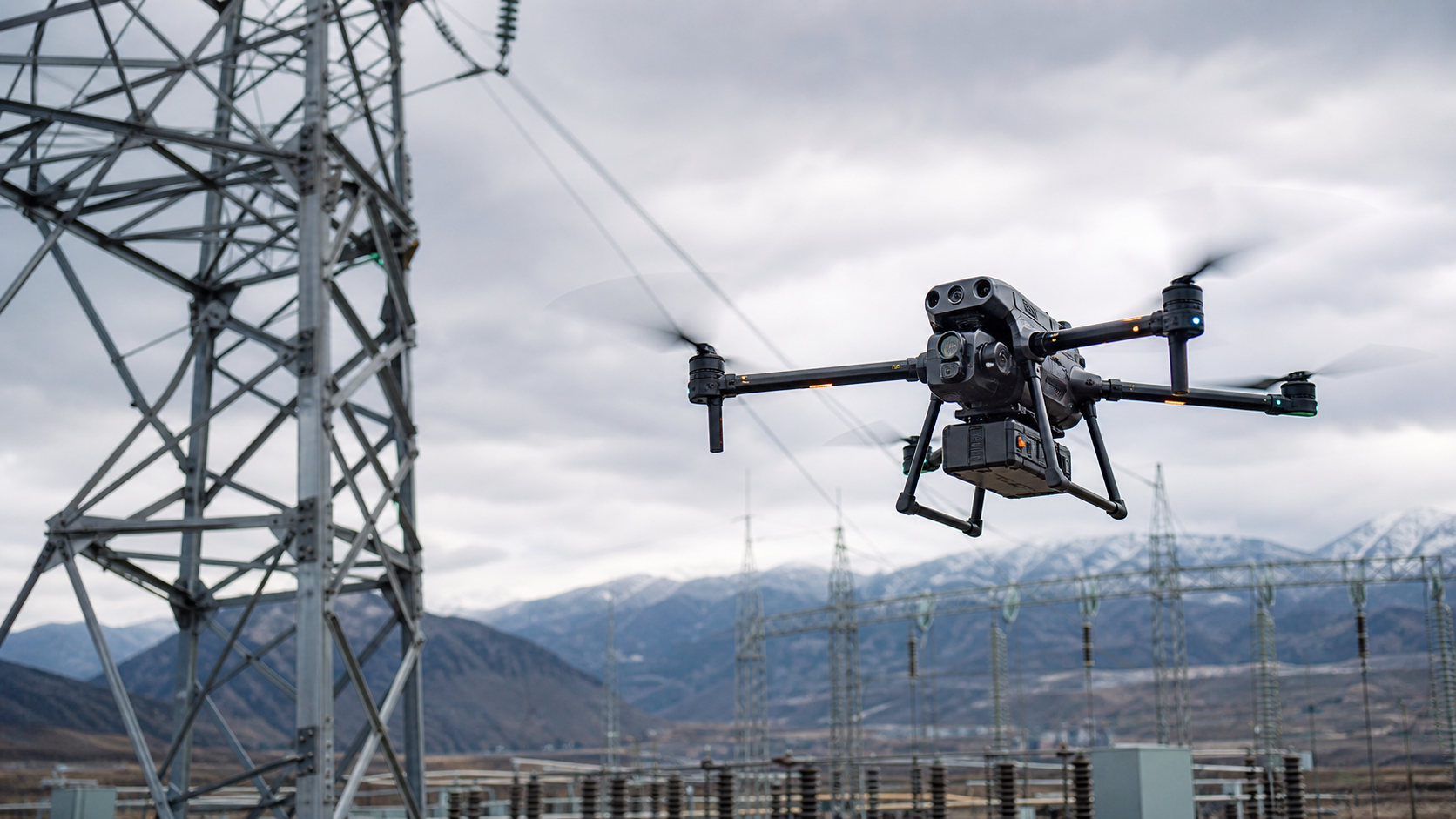
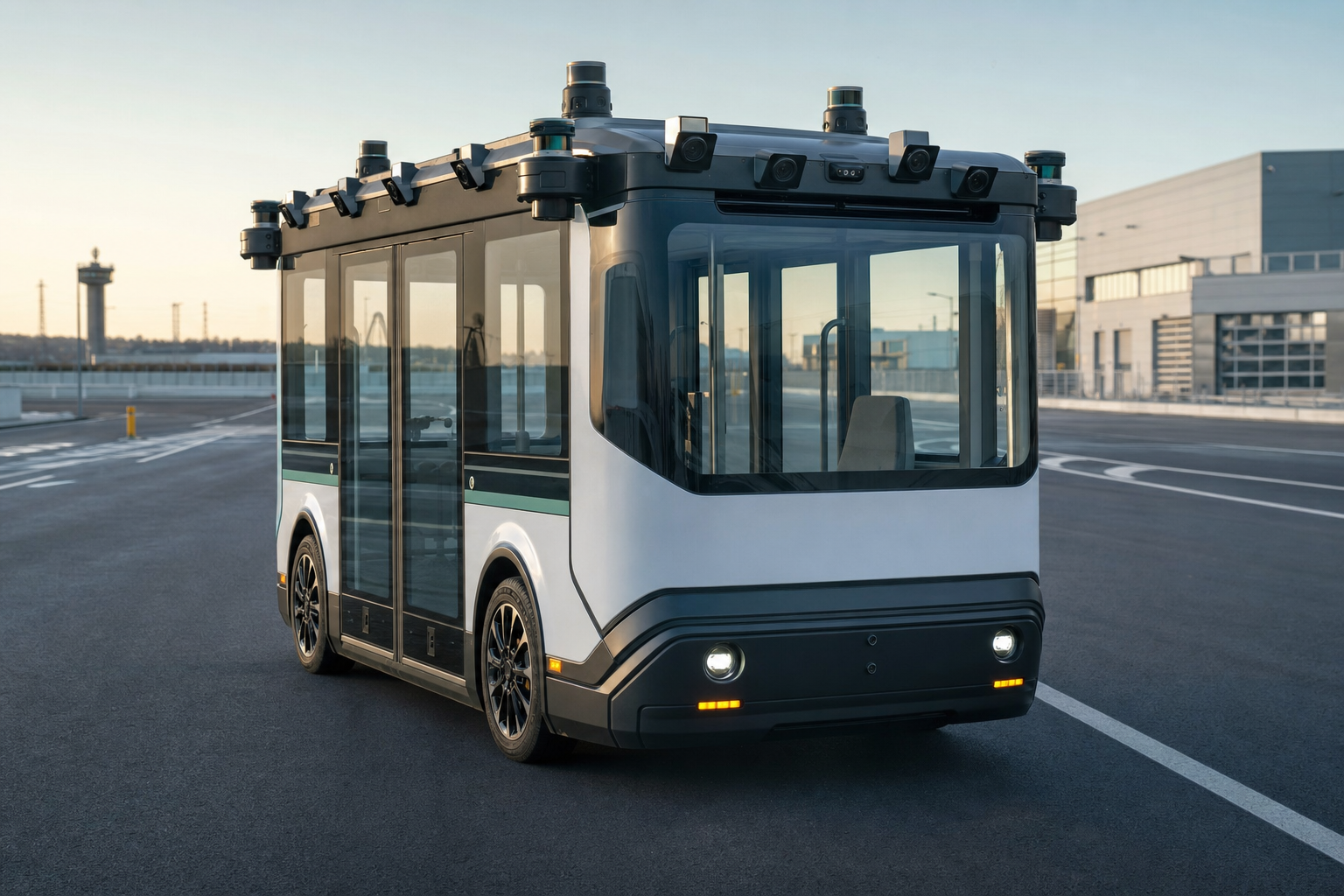
Autonomous vehicles AI depends on reliable sensor timing and predictable end-to-end response, not camera count or accelerator speed alone. Multiple cameras expand coverage and improve scene underst


AI for video analytics is breaking through manufacturing units, supply chains, workplaces, and retail outlets to automate and reinforce critical operations.
With extensive experience in deploying AI development services for video analytics, Oodles AI discusses how enterprises can deploy video analytics to scale operations across verticals.
In addition to deep video analytics, our offerings encompass natural language processinAI for Video Analyticsg (NLP), recommendation engines, predictive analytics, and chatbot development services.