





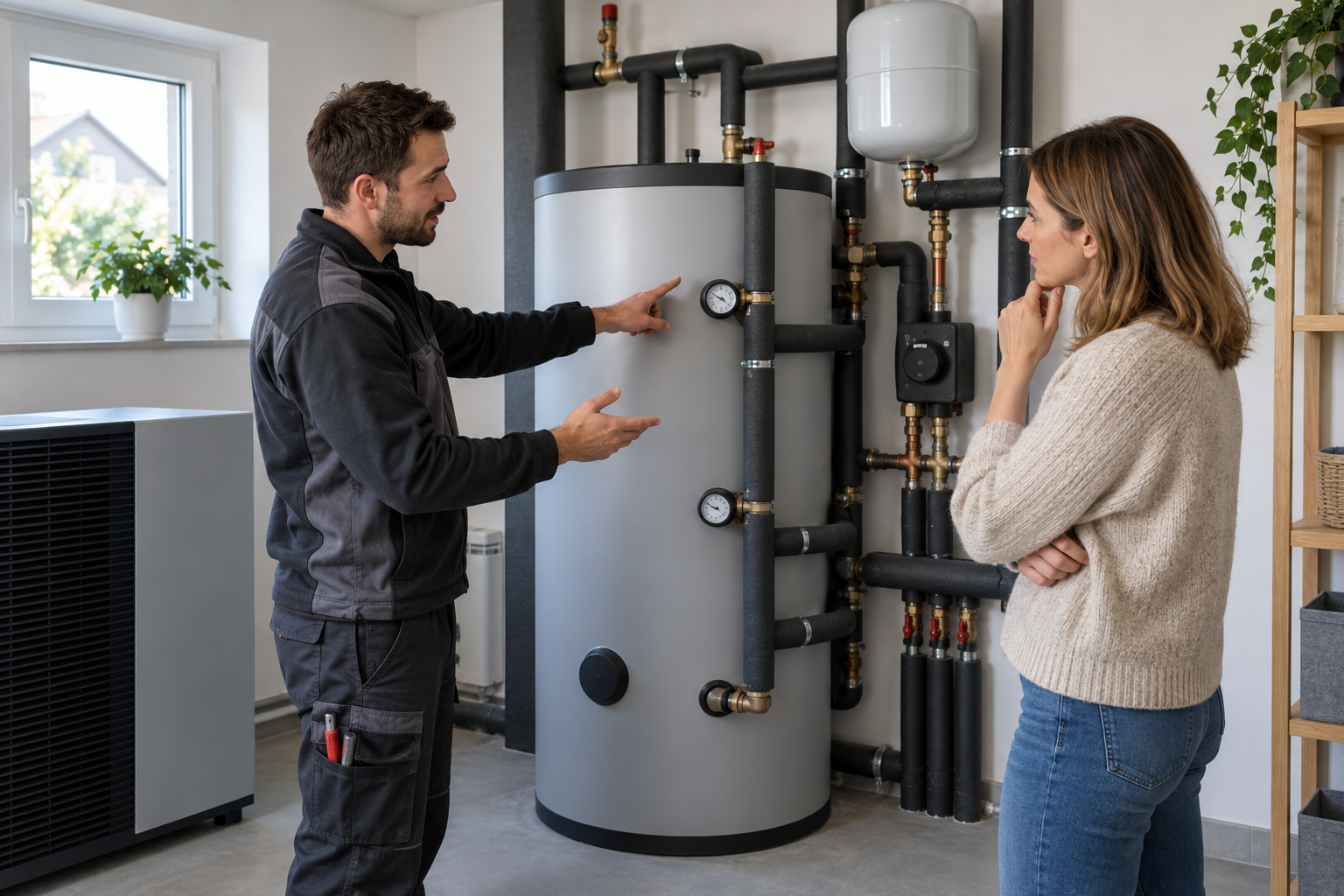
Space heating and domestic hot water place different demands on a household system. Rooms need comfort over time, while showers and other hot-water uses can occur in short, closely spaced periods. A good proposal explains how the selected equipment, storage, and controls respond to that routine instead of assuming that a heating capacity figure answers every question.
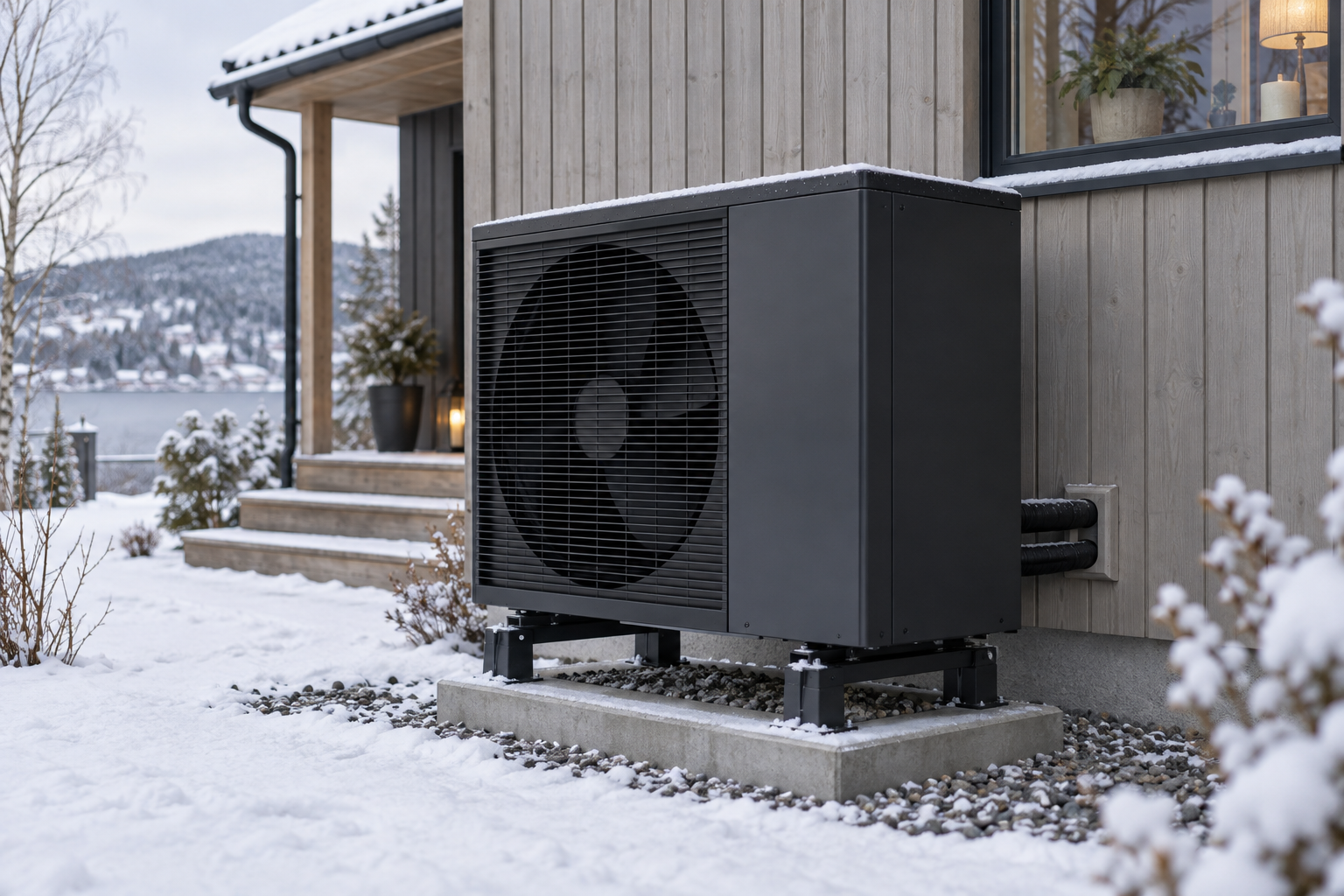
If an R290 air to water heat pump is proposed for both duties, ask for the domestic hot-water arrangement to be described explicitly. This is a review of the household brief, not advice on cylinder sizing, hygiene settings, or plumbing design. Those decisions need qualified assessment and the relevant product requirements.
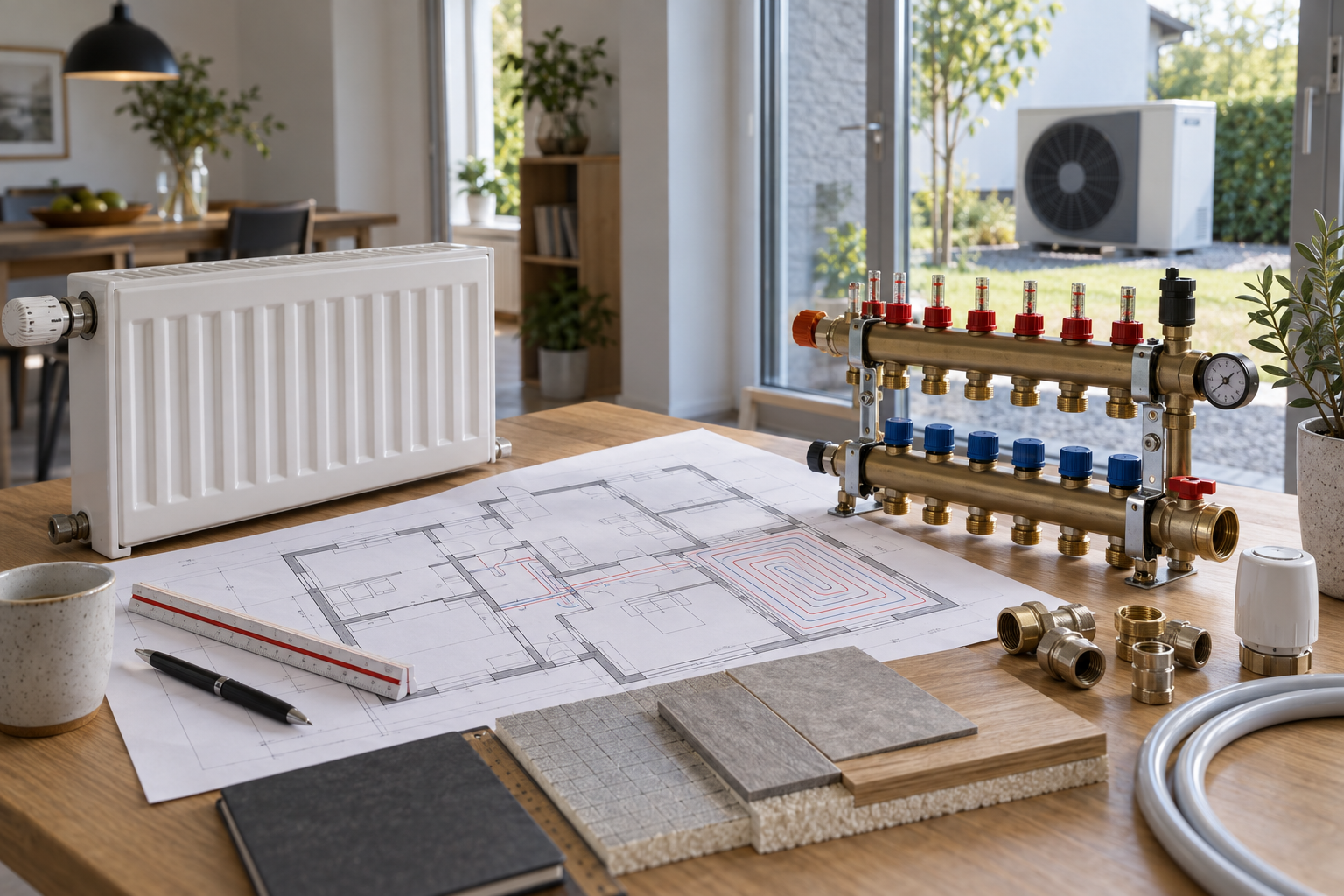
Describe Demand as a Daily Pattern
Tell the designer when the household normally uses hot water and where demand overlaps. A family preparing for work and school may use the system differently from a couple at home during the day. The number of bedrooms alone may not describe that pattern accurately.
Include unusual but foreseeable events. Overnight guests, a frequently used bath, or a regular sports routine may matter to the brief. Distinguish these from exceptional situations that the household does not expect the normal system to cover without planning.
Ask the designer to state which demand assumptions drive the proposal. This makes it easier to compare alternatives and avoids discovering after installation that the supplier assumed a different household routine.
Review Storage and Recovery Together
A cylinder volume is one piece of the proposal. Request an explanation of how the chosen storage arrangement and recovery strategy fit the agreed demand. The assessment should use the actual equipment and relevant conditions rather than a generic rule based only on occupant count.
If an existing cylinder is to be retained, ask for its suitability to be confirmed. Physical space and familiar pipe connections do not establish that the complete arrangement meets the new design brief. Record any missing product information that must be resolved.
Keep the technical discussion understandable. A homeowner should be able to explain when the system normally prepares hot water, what the controls allow, and what to expect after an unusually large draw. They do not need to memorize service parameters.
Clarify Operating Priorities
Ask what happens when the system receives competing requests. Does the proposed arrangement prioritize one duty, and how is that reflected in the household experience? Do not infer simultaneous full output to different duties from a general product description.
Discuss the cold-weather scenario as well as routine conditions. The system designer should explain how the chosen arrangement addresses the agreed space-heating and hot-water requirements. Any supplementary equipment should have a stated role rather than appearing as an unexplained item in the quotation.
Water hygiene, temperature controls, and protection against scalding belong within the professional design and handover process. A homeowner should follow the approved instructions instead of lowering or disabling protective functions to pursue an online energy-saving claim.
A useful design meeting can follow a hypothetical busy morning from the first shower to the final hot-water use. Ask what the household should expect at each stage under the proposed arrangement. This makes the demand brief tangible without prescribing a tank size or implying that another family's installation provides an appropriate design shortcut.
Test the User Experience at Handover
Ask the installer to demonstrate normal hot-water operation, any permitted temporary adjustment, and the method of returning to the usual schedule. Make sure the person who will use the controls is present. A signed commissioning form does not by itself show that the family understands the system.
An equipment enquiry to Devotion can include the household demand brief and the designer's questions about the proposed Thermalux arrangement. This provides a concrete basis for confirming the relevant product information.
Retain the cylinder identification and controls instructions with the heat-pump records. If household use changes, the installer can review a known arrangement rather than reconstructing it from memory. Coordinated hot-water planning gives the family a realistic operating expectation and a clear route for resolving questions after moving into the new system.
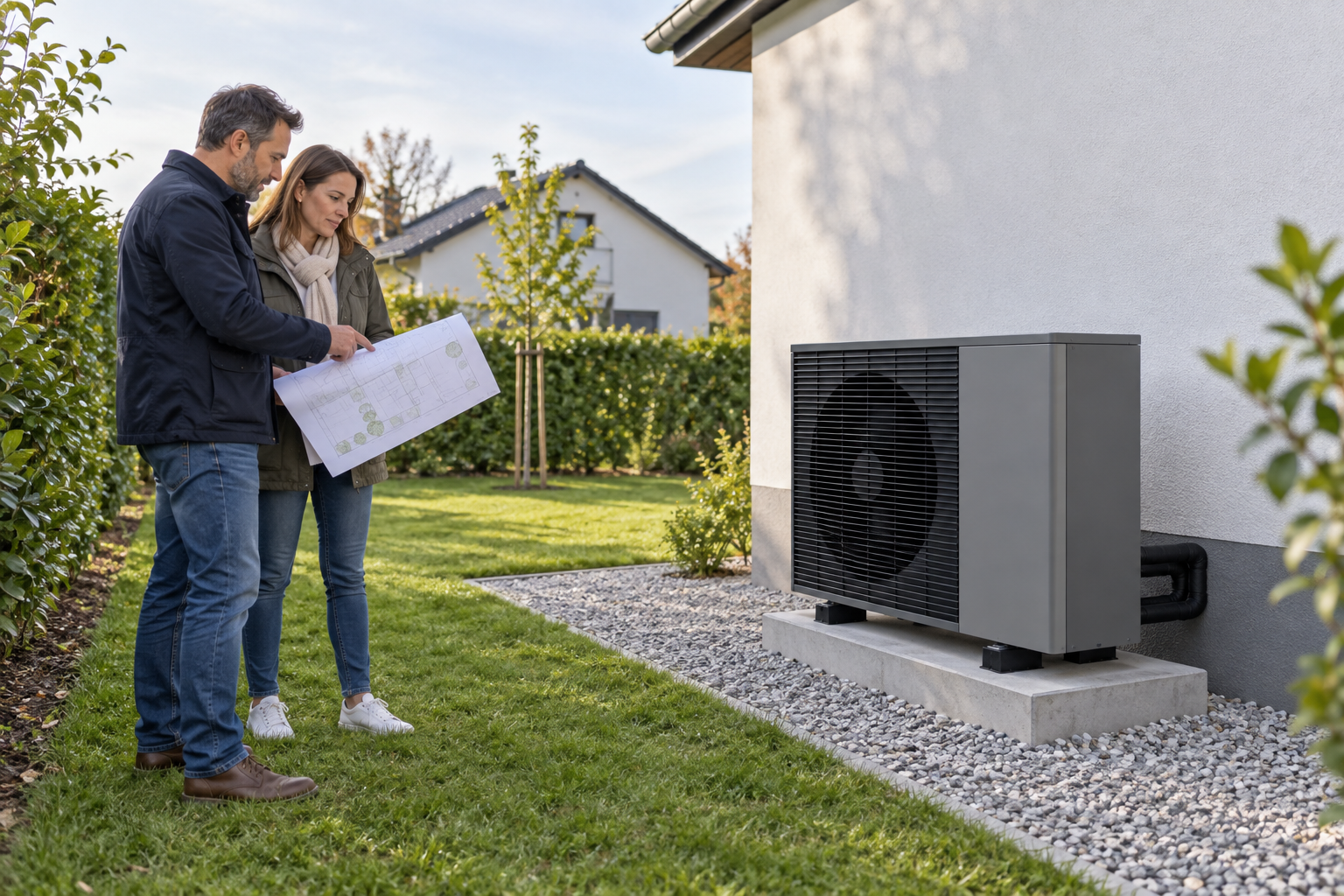
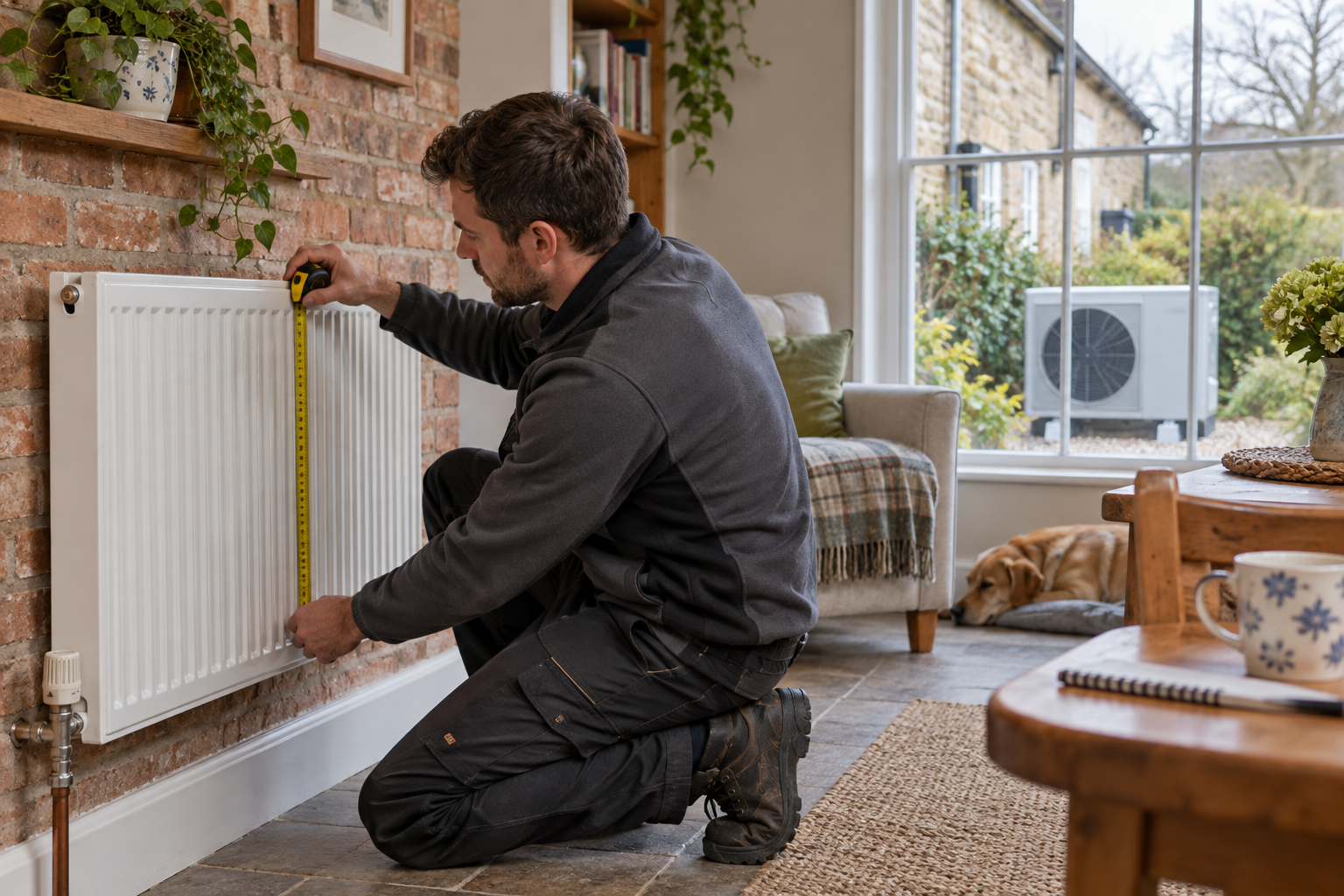
Replacing a heating source does not automatically answer what should happen to every radiator. The useful question is whether each emitter can meet its room's heating requirement under the proposed
Pricing for a Heat PumpIn Spokane, a warmth pump tiers in charge from $4700 to $7000.
The charge of your warmth pump will rely on a range of of of things inclusive of length of your own home, stage of electricity performance, set up variances and fine.
.Energy.Gov states that a warmth pump can perform at approximately one zone of the fee of a traditional heating/cooling appliance.
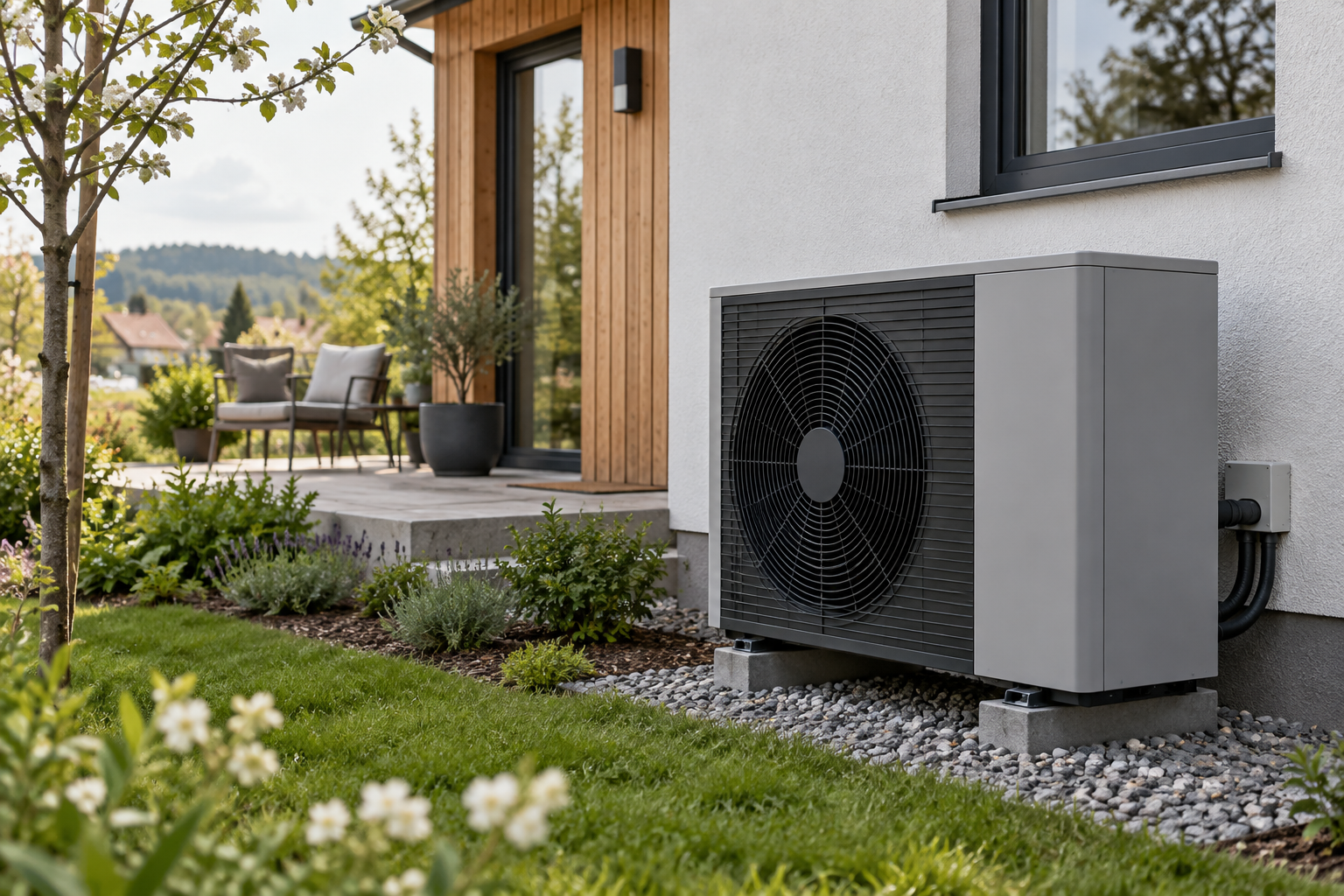
Our specialists are satisfied that will help you decide what rebates can be to be had for you.What is a Heat Pump?A warmth pump is established out of doors of a domestic and connects for your contemporary gadget.
When it’s bloodless out of doors, the warmth pump extracts out of doors warmth and transfers it inside.
home heat pump prices A warmth pump is an electricity green opportunity that takes the area of each furnace and aircon units.