





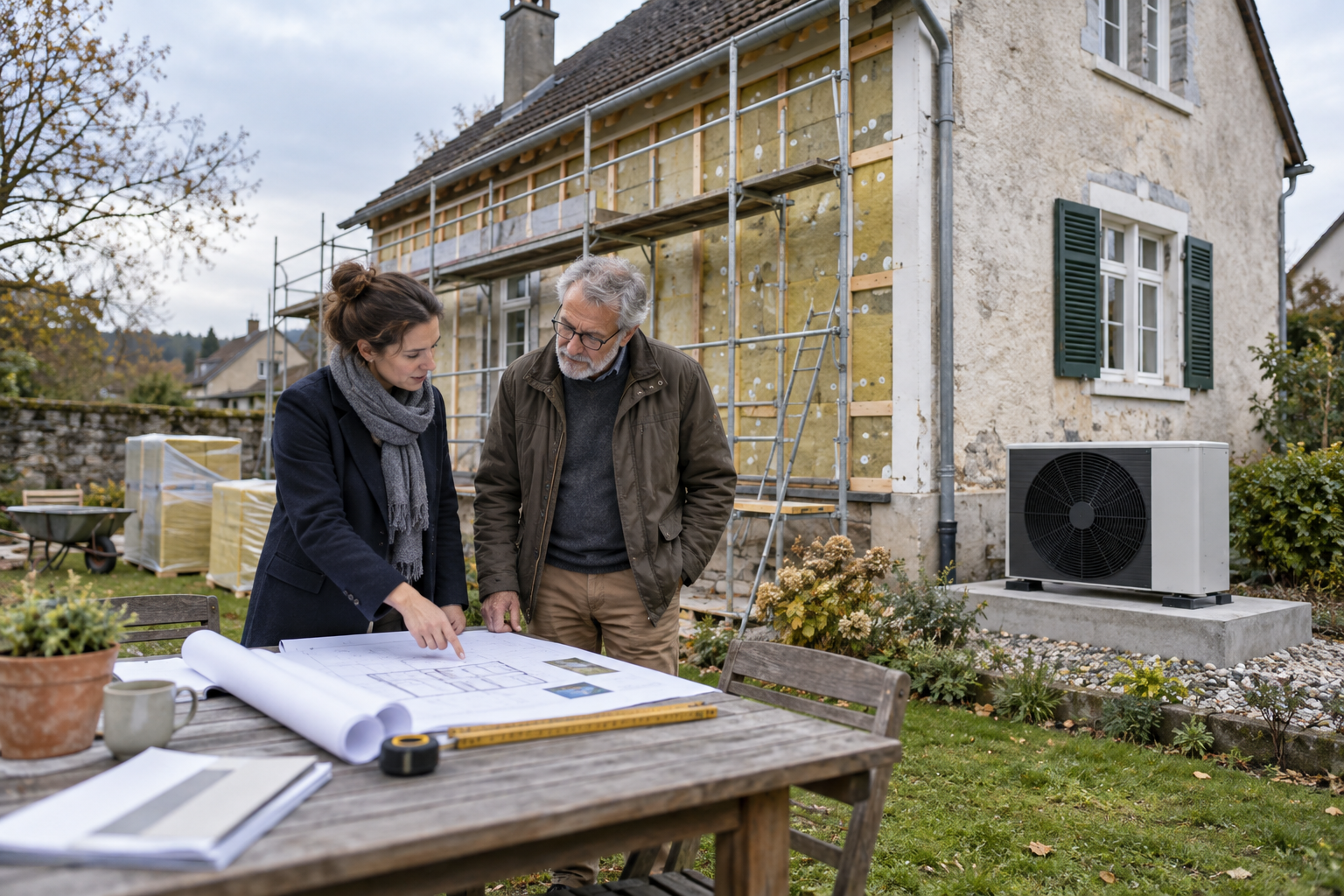
Many households improve a property in stages. Windows may be replaced this year, insulation added later, and heating changed when the existing appliance reaches the end of its useful life. The heat-pump design needs to distinguish the building that exists today from the building the owner hopes to complete. Treating both as the same can obscure important selection assumptions.
An R290 home heat pump should be evaluated against a documented retrofit sequence. This does not require every improvement to be completed before a discussion begins. It requires the designer to know which works are committed, when they are expected, and how the household will use the home between stages.
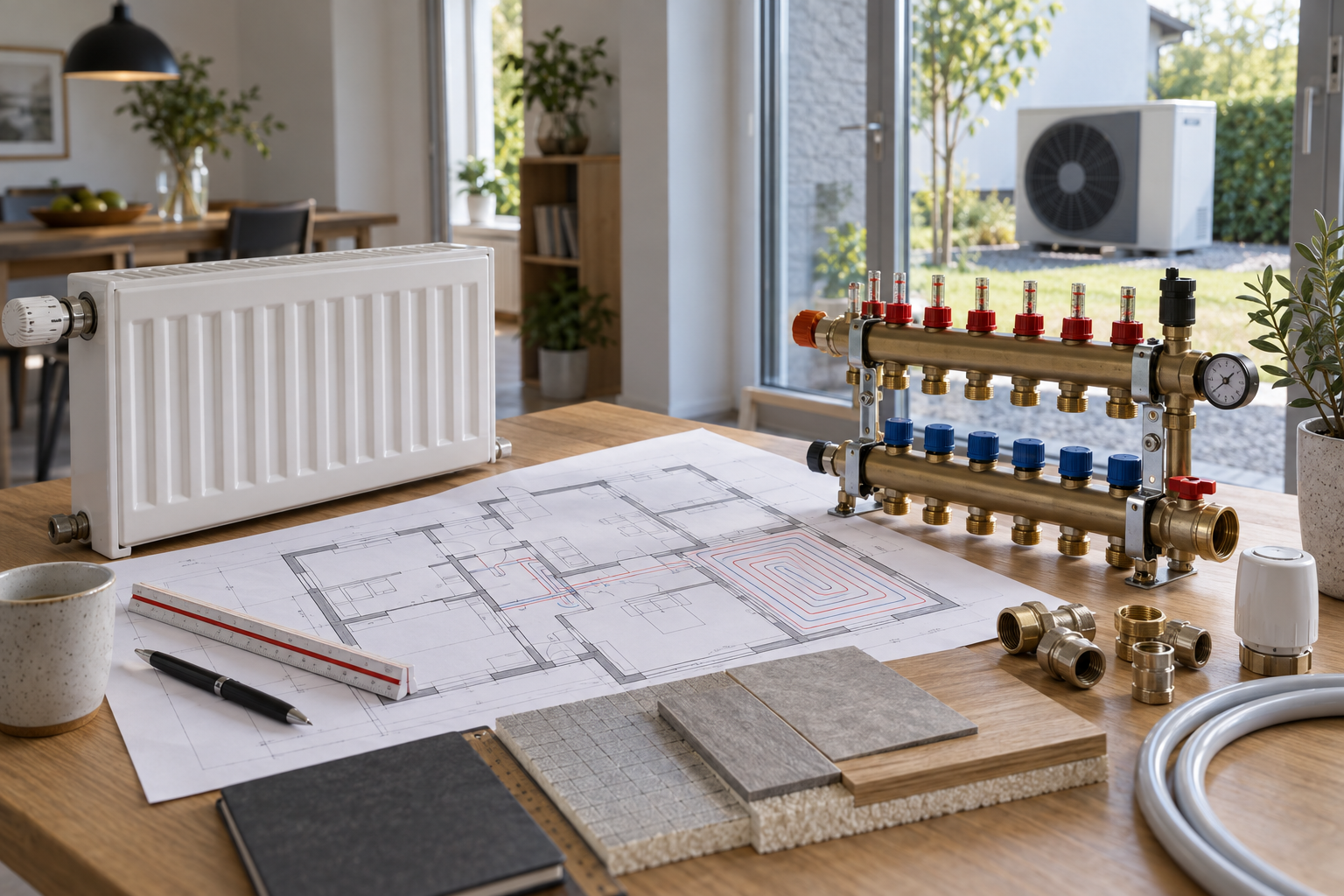
Separate Confirmed Work from Aspirations
Prepare a short schedule identifying completed improvements, contracted work, and possible future projects. Give each item an expected date and note whether its specification is known. The heating designer should not have to infer the certainty of a project from an informal conversation.
Include changes to room use as well as construction. Converting a storage room into a home office changes the comfort brief even if the external shape of the house stays the same. A planned extension should be clearly distinguished from a tentative idea.
Where a future detail remains undecided, ask what information is needed before it can influence the heating recommendation. This keeps speculative assumptions from becoming embedded in an equipment order.
Request More Than One Building Scenario
Ask the designer to compare the current property with the committed final condition. The purpose is to understand how the demand and emitter requirements change, not to make the homeowner choose equipment from two unexplained totals.
For a hypothetical retrofit, one room may be upgraded before the rest of the building. Discuss what the intermediate stage means for the heating design and household comfort. A staged project needs an interim operating plan as well as an attractive final specification.
The designer should identify which decisions can be made now and which should wait for survey or construction information. This can prevent unnecessary redesign without pretending that every uncertainty can be removed at the beginning.
Compare Timing Options with Their Full Scope
If the heating replacement can occur at different stages, compare the work involved in each timing option. Include temporary arrangements, access, emitter changes, and any repeated work. The cheapest equipment quotation may not describe the least disruptive project sequence.
Keep financial expectations conditional. A proposed improvement schedule does not justify a guaranteed saving from the heat pump. Any estimate should identify the building condition, household demand, and energy-price assumptions used in the comparison.
Ask how a delay in another trade's work would affect the heating programme. This is especially useful when the selected design depends on construction changes that may not be complete on the intended commissioning date.
Keep a separate note of decisions that would be expensive to repeat, such as planned routes through finished areas. Ask the project team whether those interfaces can be coordinated with other renovation work. The answer may influence sequencing even when the final equipment selection still awaits the updated building assessment.
Maintain One Current Design Record
Update the heating brief when committed retrofit details change. The installer and equipment supplier should be working from the same revision, particularly where a change affects the selected model or distribution arrangement. Old drawings can remain in the project archive without remaining active instructions.
When discussing Thermalux equipment with Devotion, provide the current design scenario and identify any planned later stage that requires separate consideration. This helps keep product enquiries tied to a real project rather than a generalized future house.
At handover, retain the assumptions used for the installed system and the changes that would trigger another professional review. A future contractor can then see what was anticipated and what was not. Staged retrofit planning is most useful when it makes those boundaries explicit and allows each investment to support the next decision.
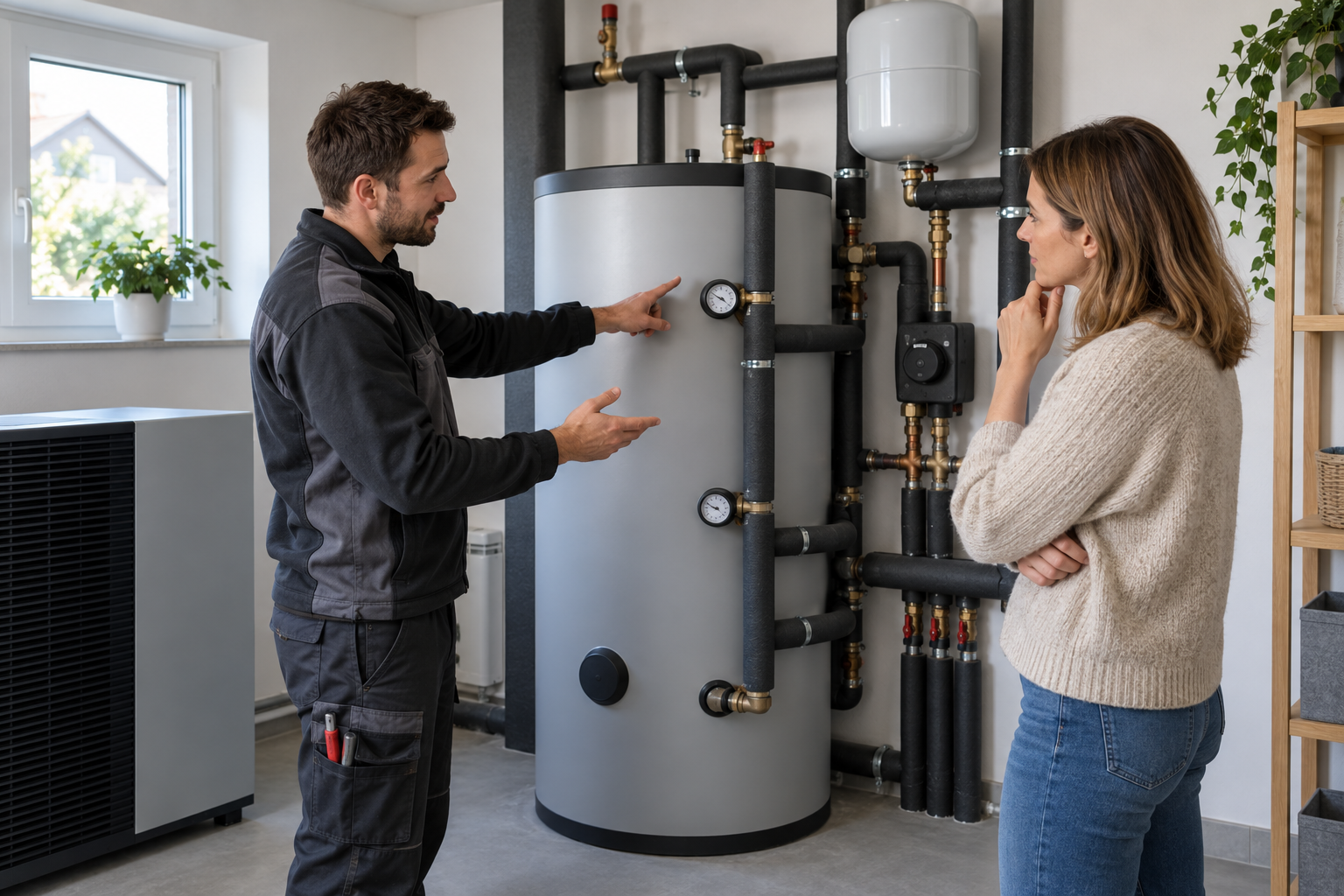
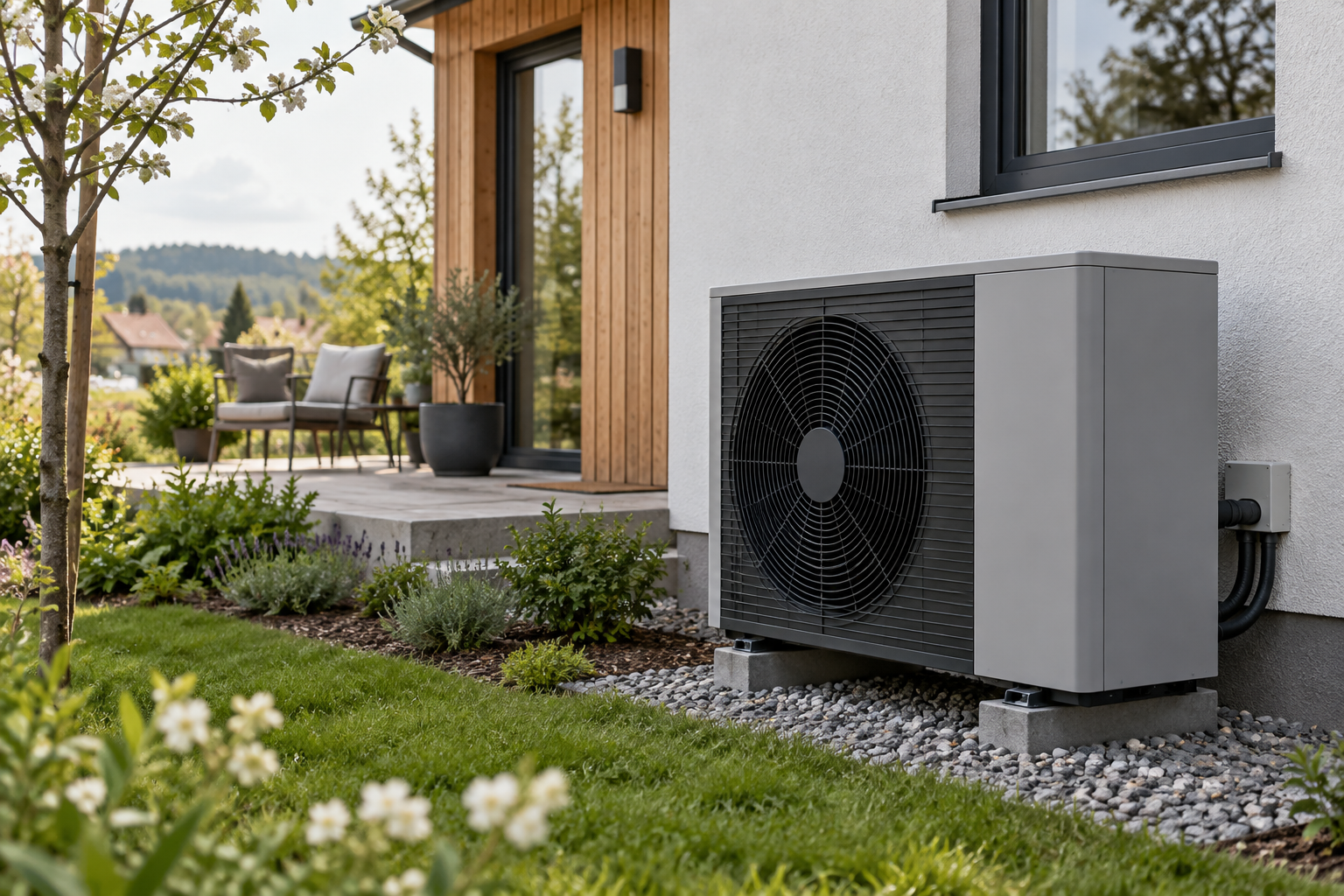
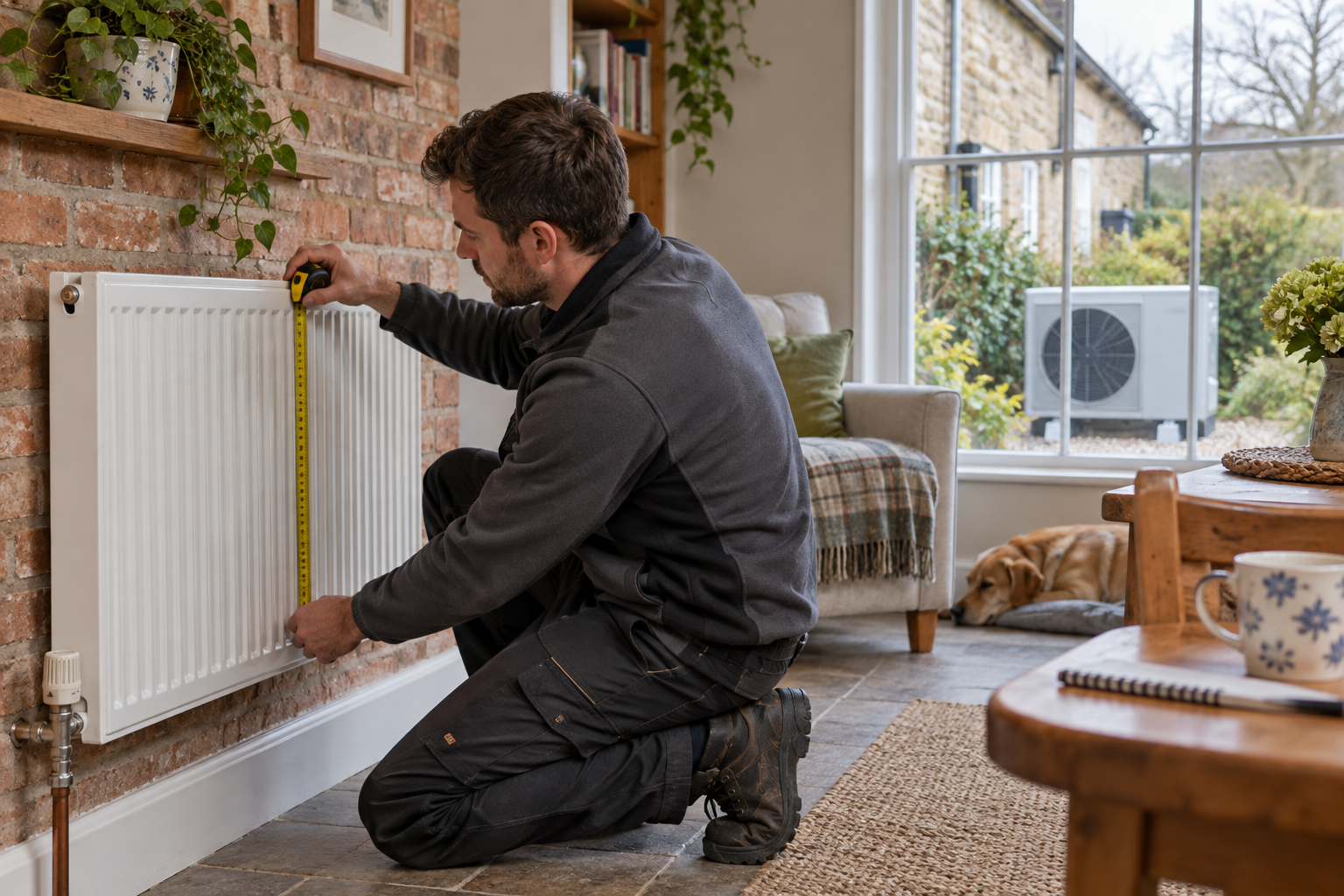
Replacing a heating source does not automatically answer what should happen to every radiator. The useful question is whether each emitter can meet its room's heating requirement under the proposed
Pricing for a Heat PumpIn Spokane, a warmth pump tiers in charge from $4700 to $7000.
The charge of your warmth pump will rely on a range of of of things inclusive of length of your own home, stage of electricity performance, set up variances and fine.
.Energy.Gov states that a warmth pump can perform at approximately one zone of the fee of a traditional heating/cooling appliance.
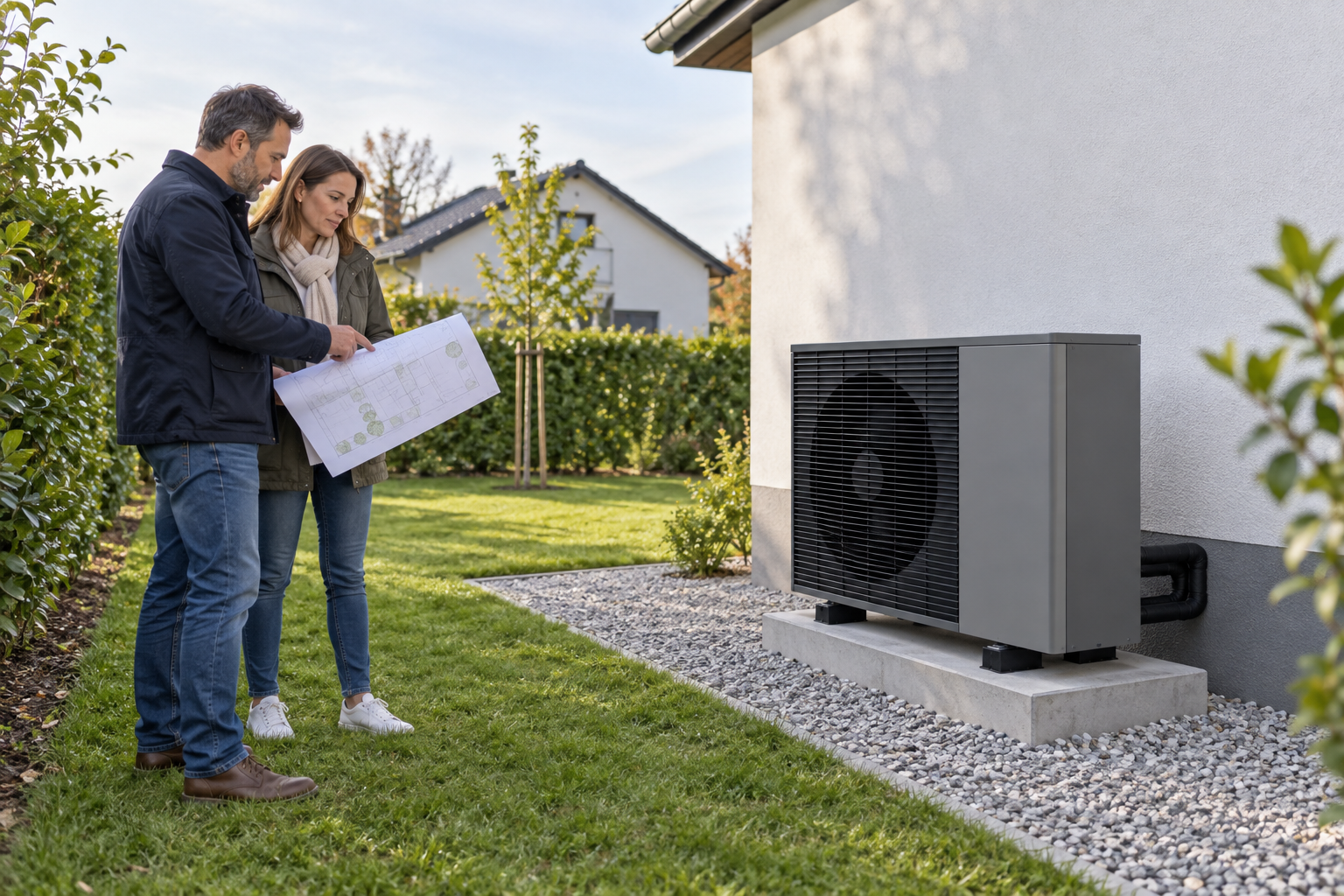
Our specialists are satisfied that will help you decide what rebates can be to be had for you.What is a Heat Pump?A warmth pump is established out of doors of a domestic and connects for your contemporary gadget.
When it’s bloodless out of doors, the warmth pump extracts out of doors warmth and transfers it inside.
home heat pump prices A warmth pump is an electricity green opportunity that takes the area of each furnace and aircon units.