

Introduction
In the construction industry, where timelines are tight and coordination is complex, communication isn't just a support function — it’s mission-critical. Yet, many construction firms still rely on disjointed communication systems: scattered emails, phone calls, WhatsApp messages, and site meetings that never make it into project records. The result? Lost context, delays in client approvals, misaligned expectations, and operational inefficiencies.
The game-changer? Unified client communication powered by omni-channel CRM, integrated directly into ERP systems.
As we look toward 2025 and beyond, this trend is becoming more than a tech upgrade — it’s a strategic imperative for construction companies aiming to stay competitive and responsive in a digitally evolving market. In this blog, we unpack the rise of omni-channel CRM in the construction sector, explore real-world use cases, and forecast the direction this trend is headed through 2030.
Why Unified Client Communication Matters in Construction
Construction projects often involve multiple stakeholders — clients, consultants, contractors, subcontractors, and regulatory bodies. Each of these players has different communication preferences and timelines. Without a centralized system, it’s easy for messages to fall through the cracks.
Key Pain Points:
Traditional CRMs are not built for the intricacies of construction. They focus on sales pipelines and customer service, not on multi-phase project communication, site-level coordination, or regulatory updates. That’s where omni-channel CRM — fully integrated with ERP — steps in.
What Is Omni-Channel CRM in the Construction Context?
Omni-channel CRM refers to the ability to engage with clients and stakeholders across multiple platforms — email, SMS, WhatsApp, client portals, mobile apps, and even video calls — while maintaining a unified, centralized record of all interactions.
When integrated with ERP systems, this CRM approach connects communication directly with:
The result is seamless, contextual, and traceable communication that spans the entire project lifecycle.
2024–2025: Emerging Trends in Omni-Channel CRM for Construction
1. CRM Modules Embedded in Construction ERP
ERP platforms are now bundling CRM tools that aren’t just for sales — they manage ongoing client interaction throughout project execution.
Trend Insight: Construction ERP vendors are rapidly embedding omni-channel capabilities to support on-the-ground collaboration and client communication.
2. WhatsApp & Messaging App Integration
Clients — especially in regions like India, the Middle East, and Southeast Asia — often prefer WhatsApp or SMS over emails. Construction CRMs now offer direct integration with these platforms, enabling field teams to interact with clients in real-time, all while maintaining ERP records.
Forecast: By 2026, over 60% of client interactions in construction will happen via mobile messaging apps integrated with ERP-CRM systems.
3. Smart Client Portals for 24/7 Project Visibility
Modern construction CRMs now include portals where clients can:
This self-service model reduces manual communication overhead and improves client satisfaction.
Trend Insight: More than 40% of mid-sized construction firms have already implemented portals to reduce dependency on manual updates.
4. Communication Workflow Automation
From site issue alerts to payment reminders, ERP-CRM systems are now automating outbound communication across channels.
Efficiency Gain: Automation reduces the average approval cycle by up to 30% in construction workflows.
5. Context-Rich Conversations with Full History
Each interaction — whether from sales, project management, or billing — is unified in one dashboard. This gives every team member full visibility into prior client conversations and decisions.
Forecast: Where Omni-Channel CRM Is Heading (2025–2030)
1. AI-Powered Communication Assistants
AI-driven features will soon help construction teams:
By 2027, over 70% of CRMs in construction will offer AI-driven assistant features.
2. Voice, Video, and Meeting Integration
Next-gen CRMs will natively integrate Zoom, Teams, and voice notes — tying recorded discussions to specific project elements (like RFIs or design changes).
By 2028, over 50% of client disputes will be resolved faster using logged voice/video records in the CRM interface.
3. Hyper-Personalized Notifications
With more data on client preferences and behaviors, CRMs will customize frequency, tone, and content of communications per client type or project stage.
Example: VIP clients receive more frequent, executive-level summaries versus standard update reports.
4. Real-Time Sentiment Tracking
Advanced CRMs will monitor client sentiment across channels, flagging potential dissatisfaction early so project teams can intervene before escalation.
By 2030, sentiment-driven CRM alerts will be used by 1 in 3 construction companies to proactively manage high-risk accounts.
5. Unified Communication Across the Supply Chain
As CRMs become more advanced, they will link not just with clients but also vendors, consultants, and government bodies — creating a truly interconnected communication ecosystem across the construction value chain.
Strategic Benefits for Construction Firms
Implementing omni-channel CRM with ERP integration doesn’t just improve client engagement — it unlocks broader business value.
Faster Approvals = Faster Execution
Real-time follow-ups and smart notifications reduce waiting time for sign-offs, change orders, or payments.
Stronger Client Relationships
A consistent and professional communication experience builds trust, encourages repeat business, and improves referrals.
Centralized Data = Better Decisions
Complete client histories, communication logs, and approval records help teams make informed decisions under pressure.
Reduced Risk & Miscommunication
Everything is traceable. No more he-said-she-said scenarios or lost approvals.
Final Thoughts
Construction is a high-stakes industry — timelines, budgets, and reputations are always on the line. In this environment, poor communication isn’t just inconvenient — it’s costly.
Unified client communication powered by omni-channel CRM is not a passing trend. It’s the future of how construction firms will engage, collaborate, and succeed in an increasingly digital, fast-moving world. And with integration into an Construction ERP system, the payoff isn’t just operational — it’s strategic.
Ready to Transform the Way You Communicate?
Whether you're building high-rises, highways, or homes — modern CRM-ERP integration can help you:
Let’s talk about how to bring omni-channel communication to your construction business — built for speed, trust, and growth.


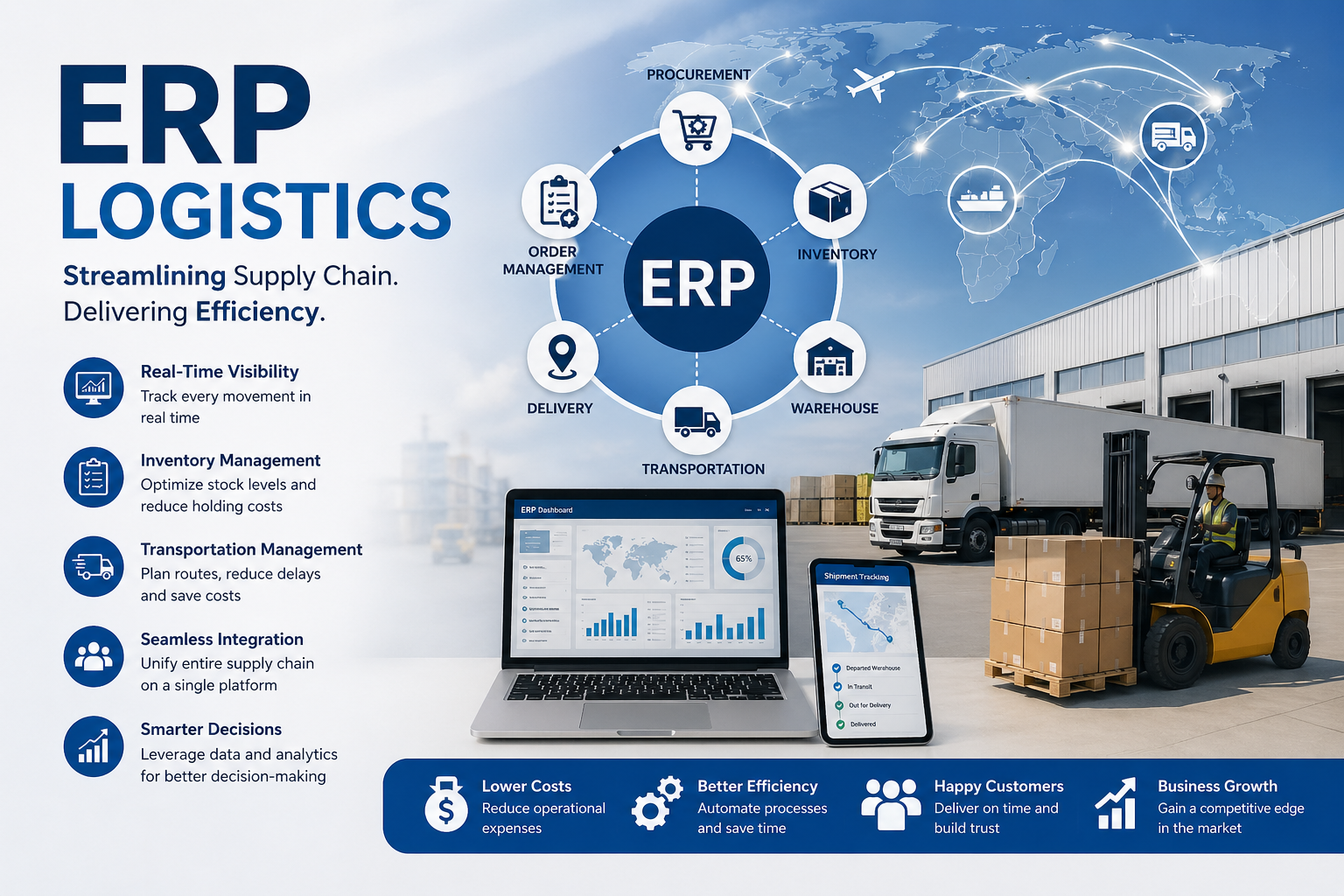
In a competitive business landscape, efficient logistics management is essential for success. Companies must handle inventory, warehousing, and transportation with precision to meet customer demand